






Viral Window Cleaning
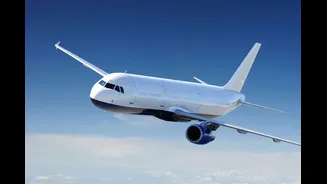
A recent phenomenon on social media has captured the attention of many, featuring a pilot performing an unusual pre-flight ritual: pouring what appears
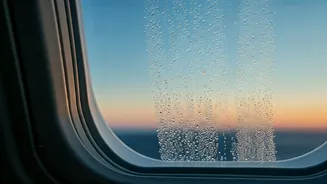
to be a fizzy beverage onto the aeroplane's cockpit windows. This curious act, captured in a viral video, has led to widespread speculation and intrigue among viewers, prompting questions about its purpose and legitimacy in aviation. The visual of the pilot calmly rinsing and wiping the windshield moments before takeoff has ignited a flurry of discussion online, with many people eager to understand the rationale behind such an unconventional approach to aircraft maintenance and whether it holds any practical benefit for flight operations. This curiosity has paved the way for experts to weigh in on the phenomenon.
The Soda Water Science
Contrary to initial assumptions, the liquid splashed on the aeroplane windows is likely not a sugary soft drink but rather soda water. Pilot Joi Schweitzer clarifies that the key difference lies in the absence of sugar, which prevents any sticky residue from forming on the sensitive cockpit glass. The efficacy of soda water stems from its mild natural acidity, specifically carbonic acid. This weak acid possesses the ability to break down and dislodge various forms of grime, including stubborn bug splatters, general dirt, and even residue from bird droppings, which can significantly impair a pilot's visibility. Furthermore, Schweitzer assures that soda water is safe for the aircraft's windshield coating and does not pose a risk of damage, making it a viable, albeit unofficial, cleaning agent.
Resourceful Pilot Trick
While the use of soda water for cleaning cockpit windows is an effective, quick fix, it is crucial to understand that it is not a part of any established aviation protocol or official checklist. Pilots are not formally instructed to employ this method as part of their routine maintenance procedures. However, this practice exemplifies the ingenuity and resourcefulness of experienced pilots, particularly when faced with time constraints. In situations where a standard bug wash is unavailable or there's insufficient time before pushing back from the gate, pilots may resort to such practical, improvised solutions. This 'old-school pilot resourcefulness' highlights their ability to adapt and find effective means to ensure critical flight conditions, like clear visibility, are met promptly.
Visibility is Key
Maintaining an unobstructed view from the cockpit is paramount for the safety of any flight, especially during crucial phases like takeoff. Grime, bugs, and other debris can accumulate on the windshield, severely compromising a pilot's ability to see and navigate effectively. When ground crews are delayed or there's a tight schedule leading up to departure, pilots might adopt swift yet efficient methods to ensure clarity. The soda water technique serves as an example of such an approach, allowing for a rapid cleanup that restores visibility. This demonstrates the pilot's commitment to operational readiness and passenger safety, even when facing unexpected logistical challenges or time pressures before embarking on their journey.