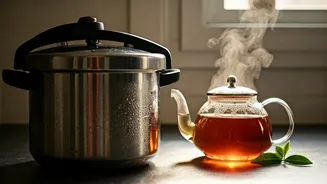

The Viral Concept
The concept of brewing tea in a pressure cooker has recently gained significant traction online, becoming a hot topic of discussion among home cooks and
culinary enthusiasts alike. This innovative approach involves utilizing the pressure cooker's capabilities to steep tea leaves, thereby potentially altering the brewing process. This method has garnered attention for its potential to alter the taste, intensity, and speed of tea preparation. People are now sharing their experiences and experimenting with different types of tea leaves and pressure cooker settings to achieve their desired results. The viral trend has sparked curiosity, and many are now testing this method to see how it compares to traditional tea-making techniques and other innovative tea preparation methods.
How it Works
The pressure cooker method for making tea involves a straightforward process, though the specifics can vary based on the pressure cooker model and the type of tea being prepared. Typically, the process involves placing water and tea leaves directly into the pressure cooker pot. The cooker is then sealed, and the heat is applied, causing the water to boil and the pressure inside to increase. This elevated pressure could, in theory, accelerate the steeping process, extracting more flavor compounds from the tea leaves within a shorter period. Once the brewing is complete, the pressure is released, and the tea is ready to be served. Users are exploring different ratios of tea leaves to water, as well as varying cooking times, in order to fine-tune their brewing outcomes and achieve the flavor profile that suits their tastes. Some users are also using this method to infuse fruits or spices into their tea.
Advantages & Disadvantages
Using a pressure cooker to make tea offers some unique benefits, although it's not without its drawbacks. One potential advantage is the speed; the high pressure can expedite the steeping process, which could be beneficial for those who are pressed for time. Some users report that the pressure cooker method extracts a bolder flavor from the tea leaves, creating a more intense beverage. On the other hand, a potential disadvantage is the risk of over-extraction. The high heat and pressure can cause the tea to become bitter or excessively strong if not monitored carefully. Additionally, not all pressure cookers are suitable for this purpose, and some models might require specific settings or adjustments. The cleaning process after brewing might also require extra care to remove any residual tea particles from the pressure cooker. Despite these potential drawbacks, the innovative tea-making method continues to spark interest.
Online Reaction & Experimentation
The internet's reaction to the pressure cooker tea hack has been diverse, with a mix of curiosity, enthusiasm, and skepticism. Numerous users have posted videos and shared their experiences on social media platforms, documenting their experimentation with different types of tea and pressure cooker settings. Some users have expressed excitement, reporting positive outcomes and improved flavor profiles, praising the method for its speed and intensity. Others are more cautious, highlighting potential issues with over-extraction and the need for careful monitoring. Many online forums and communities are now dedicated to discussing the technique, with users sharing tips, recipes, and troubleshooting advice. This collaborative atmosphere of experimentation reflects the dynamic nature of online trends and the public’s eagerness to embrace new ways of cooking and enjoying culinary experiences. The ongoing dialogue and the sharing of insights have greatly enhanced the appeal of this novel method.
Beyond Traditional Methods
This pressure cooker method of brewing tea provides a fascinating alternative to the traditional methods of tea preparation, such as steeping tea in a teapot or using a tea infuser. Unlike these traditional techniques, which rely on simply immersing tea leaves in hot water for a period, the pressure cooker introduces a dynamic element to the process. The high pressure and heat can affect the extraction process, potentially impacting the final taste and aroma of the tea. Traditional methods also tend to require more time, while the pressure cooker method may offer a faster solution, making it more convenient for those with busy lifestyles. This shift from traditional methods reflects a broader trend in the culinary world, where new technologies and techniques are consistently adopted to improve cooking processes.
The Future of Tea
The rising interest in brewing tea in a pressure cooker opens up intriguing possibilities for the future of tea preparation. This innovative method might inspire further experimentation with tea types, brewing times, and flavor combinations. Moreover, it could lead to the development of specialized pressure cooker settings or accessories specifically designed for tea brewing. As more people experiment with the technique and share their results, the method will likely evolve, with people modifying the process. This increased innovation also underscores the ongoing blending of tradition and innovation in modern culinary practices, where novel approaches often complement and even transform established traditions. It suggests a future where culinary boundaries are continuously tested and refined.