




Posture Over Fat
Many individuals grapple with a persistent lower abdominal bulge that seems impervious to rigorous exercise routines and stringent dietary regimens. The
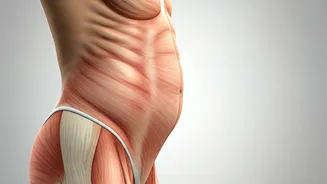
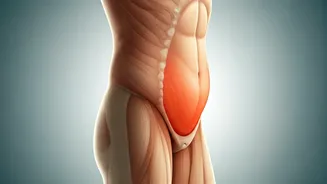
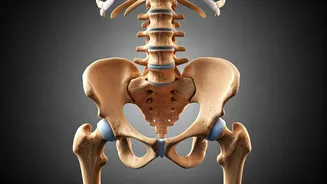
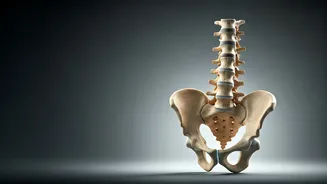
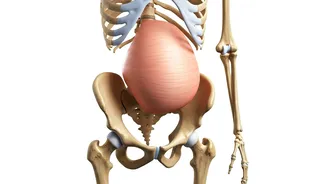
common assumption is that this unyielding protrusion is merely a manifestation of accumulated body fat or a sluggish metabolism, leading to cycles of intensified crunches, calorie restriction, and subsequent disappointment. However, fitness experts suggest a compelling alternative explanation: the issue might not be fat at all, but rather a postural imbalance known as anterior pelvic tilt. This condition, often exacerbated by modern lifestyles that involve extensive periods of sitting, can significantly alter the alignment of the pelvis, spine, and core muscles, thereby exaggerating the appearance of the stomach and potentially leading to lower back discomfort. Understanding this postural aspect is the first step toward effectively addressing the perceived belly pooch.
The Sitting Syndrome
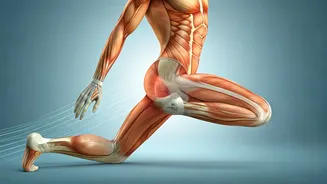
The modern sedentary lifestyle, characterized by prolonged sitting, plays a pivotal role in fostering anterior pelvic tilt. When we spend extended hours in a seated position, our hip flexor muscles become chronically shortened and tight. These tense hip flexors then exert a constant pull on the pelvis, tilting it forward. This forward tilt, in turn, creates an exaggerated arch in the lower back, pushing the abdominal area outward and contributing to the prominent lower belly 'pooch.' Over time, this habitual posture can lead to a cascade of musculoskeletal issues, including reduced glute activation and chronic lower back pain. While the visual effect might resemble weight gain, it's often a structural consequence of our daily habits. Recognizing the impact of sitting is crucial for implementing effective corrective strategies and regaining a more neutral spinal and pelvic alignment.
Corrective Movement Toolkit
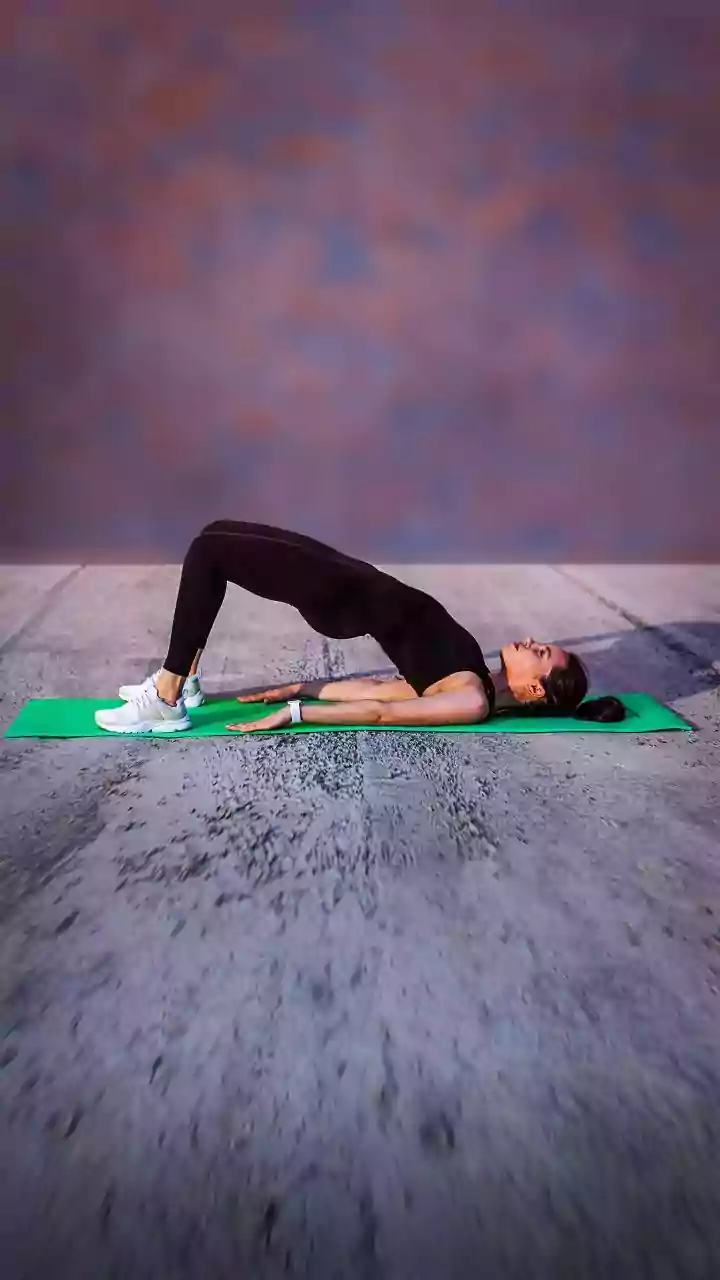
To counteract anterior pelvic tilt and reclaim a neutral pelvic position, a targeted approach involving specific corrective exercises is recommended. These movements aim to retrain the core musculature, enhance hip joint mobility, and reduce the excessive arching of the spine. Among the effective exercises are quadruped pelvic tilts, which focus on controlled pelvic movement while on all fours; deadbug toe taps, designed to engage the deep core while maintaining a stable pelvis; bear hold toe taps, which challenge core stability and coordination; hip CARs (Controlled Articular Rotations), promoting fluid hip joint motion; and the happy baby stretch, a gentle yet effective pose for releasing tension in the hips and lower back. These exercises can be performed without any specialized gym equipment, making them accessible for daily practice and integration into a routine aimed at improving posture and reducing the appearance of the lower belly pooch.
Everyday Posture Awareness
Achieving lasting improvement in anterior pelvic tilt extends beyond dedicated workout sessions; it necessitates conscious awareness and subtle adjustments throughout everyday activities. Maintaining proper posture while sitting, standing, and walking is paramount. Simple yet effective habits can make a significant difference over time. These include regularly checking and consciously tucking the pelvis under, ensuring the rib cage is aligned over the pelvis rather than jutting forward, and actively drawing the shoulders back and down to promote an upright and open chest posture. Cultivating this mindful approach to daily movement integrates the corrective principles into your body's natural patterns, reinforcing the benefits of the targeted exercises and leading to a more sustainable improvement in spinal alignment and abdominal appearance.
Identifying the Culprit
Distinguishing between a lower belly bulge caused by anterior pelvic tilt and one primarily due to body fat involves observing how your abdomen presents itself, rather than solely focusing on the amount of fat. In cases of anterior pelvic tilt, the lower abdomen often appears to project forward, even in individuals who are otherwise lean. The waistline might exhibit an unusually pronounced arch, lacking a relaxed, neutral curve. A straightforward self-assessment can provide strong clues. Stand sideways in front of a mirror and carefully examine the curvature of your lower back. If you notice an exaggerated inward arch accompanied by a visibly forward-tilted pelvis, it's a significant indicator of anterior pelvic tilt. Furthermore, persistent tightness in the front of the hips and the lower back, coupled with difficulty in effectively engaging the abdominal muscles, are additional signs pointing towards a postural issue rather than a fat-related concern.
The Impact of Sedentary Habits
Prolonged periods of sitting profoundly influence the body's musculoskeletal system, particularly the hip flexors, glutes, and spinal alignment, contributing to anterior pelvic tilt. When hips remain in a flexed position for extended durations, the hip flexor muscles gradually adapt by shortening, becoming habitually tight. Concurrently, the gluteal muscles, essential for hip extension and postural support, tend to become underactive and weaker due to disuse. This muscular imbalance creates a scenario where the tight hip flexors pull the pelvis forward, exacerbating the lower back's natural curve. Moreover, consistent sitting limits natural spinal movement, which can weaken the deep stabilizing muscles crucial for maintaining good posture. These detrimental changes can manifest relatively quickly, with noticeable stiffness and postural shifts appearing within weeks of extended sitting, especially when coupled with a lack of regular physical activity. Over months, this can solidify into a habitual posture that the body perceives as normal.