




Glimpses of Paradise
The narrative begins with an immersive portrayal of what social media often presents as Bali – a picture of serene luxury. Imagine stepping into an advertisement:
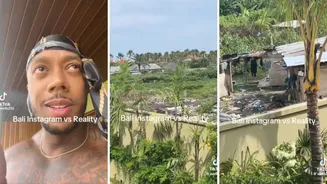
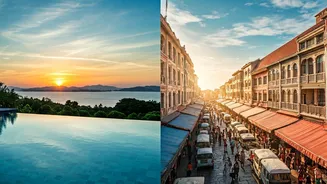
a meticulously arranged villa, complete with a bathtub adorned with rose petals and a shimmering private pool offering an idyllic vista. This curated perfection, designed to capture clicks and inspire wanderlust, sets a specific expectation for visitors. The traveler, initially showcasing this idealized scene, uses phrases like 'Instagram. Instagram' to emphasize the deliberate crafting of this visual narrative. It's a world meticulously polished, reflecting the aspirational content that dominates travel feeds, promising an escape into an effortlessly beautiful and tranquil environment, untouched by the complexities of everyday life. This segment perfectly encapsulates the superficial charm that draws millions to such destinations, creating an illusion of universal comfort and beauty.
The Unseen Contrast
Transitioning abruptly from the polished facade, the traveler unveils the 'reality' lurking just beyond the villa's manicured borders. The camera pans to reveal a vastly different environment: humble dwellings, basic living conditions, and a palpable sense of disparity. This jarring juxtaposition highlights how easily the less glamorous aspects of a destination can be obscured. The traveler's audible surprise and confusion, exclaiming 'This is not the shit they show you on the website. Like, what is that? Who is that?', underscores a sense of being misled. The immediate proximity of extreme wealth to evident poverty raises critical questions about the sustainability and ethics of current tourism models. This section serves as a powerful visual commentary on the selective presentation of destinations, prompting viewers to question the authenticity of curated online portrayals and the broader implications for the local communities.
Social Media's Echo
The viral video ignited a significant online dialogue, with many netizens sharing resonant experiences and opinions. One poignant comment echoed the traveler's sentiments, describing a similar encounter in Bali where locals lived in poverty while tourists occupied lavish villas. This individual expressed emotional distress, tipping generously despite feeling a sense of disillusionment, and vowing to reconsider future visits due to the perceived negative impact of tourism on the island. Other reactions highlighted the superficiality of certain travel trends, criticizing those who 'love to travel' yet contribute little to local economies or show little consideration for the host communities. The recurring theme is the 'dark side of tourism' that remains largely invisible on platforms like Instagram, revealing the heartbreaking reality of local schools near luxury resorts and the economic disparities that persist, prompting a deeper examination of travel's true footprint.
Tourism's Double Edge
The conversation around Bali's tourism divide also presented a counter-perspective, emphasizing the economic benefits that visitors bring to the island. Some commenters argued that tourism, despite its flaws, provides essential income and opportunities for locals, suggesting that discontinuing visits could lead to worse economic conditions. This viewpoint advocates for responsible tourism practices, such as supporting local businesses directly and offering generous tips, as a more constructive approach than outright boycotts. It acknowledges that while the visual contrast can be stark and emotionally challenging, the economic interdependence between tourists and locals is a complex reality. This perspective encourages engagement and mindful spending within the local economy as a means to foster positive change and support the community, rather than withdrawing from the destination entirely, thereby complicating the narrative and highlighting the multifaceted nature of global tourism.