
Urbanity's New Role
The contemporary Indian landscape is witnessing a notable shift where the urban sphere transcends its physical definition to embody a significant political
and societal idea. The concept of 'urban' is no longer confined to city limits; it has evolved into a potent symbol and driving force within the nation. The essence of the urban now permeates various aspects of public discourse, reflecting changing values, priorities, and aspirations. This transformation signifies an important point in India's development, as urban areas now shape and reflect the country's social and political dynamics. The expansion of urban influence points to a broader trend, where cities are seen as innovative centers and arenas for political engagement. The 'urban' now encompasses a wider range of concepts, from lifestyle and culture to socio-economic development and political representation. It is crucial to understand the implications of this shift as urban areas are becoming instrumental in shaping the future of India.
Beyond City Boundaries
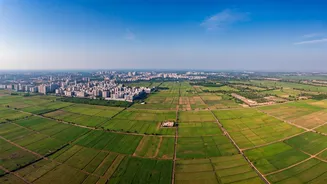
The influence of urbanity extends far beyond the traditional confines of cities, influencing the rural and peri-urban areas as well. The rise of urban-centric ideas challenges conventional notions of political power and social dynamics, introducing new perspectives on governance, citizenship, and development. This transformation is evident in how urban issues now take center stage in national debates, from infrastructure and public services to economic growth and cultural identity. The spread of urban influence reflects the evolving relationship between urban and rural, as well as the rising importance of urban centers as hubs of innovation, knowledge, and power. Urban areas' growing influence leads to a more complex and dynamic interplay of social, economic, and political forces shaping the nation. This shift impacts policymaking, resource allocation, and the overall trajectory of India's development. It's a continuous process where urban areas lead the way in social change, political discourse, and economic progress, highlighting the need for a re-evaluation of how India is perceived and governed.
Political Landscape Shift
The increasing prominence of urban spaces is significantly reshaping the political landscape. With urban areas serving as key centers of political activity, they are now vital for shaping public opinion, setting the agenda, and determining the direction of national discourse. Urban populations are increasingly active in political processes, raising new issues and challenging traditional power structures. This shift is apparent in the rising visibility of urban issues in political campaigns, policy debates, and media coverage. The emphasis on urban concerns reflects a broader trend toward citizen engagement and participatory governance. The rising influence of urban areas in politics has prompted adjustments in strategies and campaigns, as political parties and leaders must now address the specific needs and aspirations of urban residents. This change is altering the nature of political mobilization and the dynamics of electoral politics. As urban areas become more influential in politics, new opportunities and challenges emerge. The evolving political scene underscores the significance of adapting to the changing dynamics to effectively navigate the country's political future.
Social and Cultural Impact
The pervasive influence of urbanity profoundly affects the social and cultural aspects of life across India. Urban centers act as melting pots of ideas, cultures, and identities, leading to a dynamic blend of traditions and innovations. The rapid growth of urban areas has spurred significant changes in social norms, values, and lifestyles. The concentration of diverse populations in urban areas has contributed to a more complex and multifaceted cultural scene, including the arts, literature, music, and cinema. The urban environment fosters new modes of social interaction, with increased emphasis on individuality, diversity, and tolerance. Urban areas have also become epicenters of social movements, challenging traditional norms and promoting social justice. The impact extends far beyond city limits, influencing everything from the entertainment and fashion industries to education and family structures. This ongoing shift underscores the vital role urban areas play in the evolution of Indian society, reflecting the nation's diverse values and rapid transformations. It's evident that urban environments are vital in shaping how people interact, communicate, and perceive the world.
Future Directions
As India's urban areas continue to evolve, there is a need to contemplate the future and devise effective strategies for sustained growth and development. This involves tackling a wide range of challenges, including managing rapid urbanization, ensuring adequate infrastructure, improving public services, and promoting social equity. In addition, there is a need to create sustainable and inclusive urban environments, as well as address challenges such as pollution, traffic congestion, and resource management. The future of India's urban areas relies on the development of policies that meet the specific needs of urban populations. The focus should be on promoting citizen participation and empowerment, addressing inequalities, and strengthening governance. In order to realize the full potential of urban areas, there is a necessity for collaborative efforts from governmental bodies, private sector players, and civil society organizations. As urban areas evolve, the need for forward-thinking leadership, adaptable strategies, and a vision that considers the various dimensions of urban life becomes increasingly crucial. Addressing the future landscape of urban India will be vital in shaping the nation's trajectory in the years to come.