







Culinary Branding Initiative
The Uttar Pradesh government has launched an ambitious initiative, the 'One District, One Cuisine' (ODOC) plan, an extension of its successful 'One District, One Product'
(ODOP) scheme. The primary objective is to elevate the identity of traditional dishes from each district, enhancing their packaging, branding, and market accessibility. This program is designed to support local artisans and confectioners through training and financial assistance, with an allocated budget of ₹150 crore. A significant aspect of the plan involves standardizing, branding, and promoting these selected cuisines via exhibitions, festivals, and digital platforms. The government aims to boost employment and entrepreneurship by empowering local culinary talent, thereby creating a new identity for Uttar Pradesh in taste, culture and economy. The initiative seeks to promote district-level food specialities under a unified brand, aiming to enhance the economic and cultural landscape of the state through its diverse food heritage.
Debate Over Vegetarian Focus
The newly unveiled list of 'signature cuisines' for Uttar Pradesh's ODOC initiative has ignited considerable controversy due to its exclusive emphasis on vegetarian dishes. Critics argue that this approach neglects and misrepresents the rich culinary tapestry of many districts, which are renowned for their popular non-vegetarian preparations. Iconic dishes like Lucknow's galawati kebab and Awadhi biryani, or Rampur's mutton korma, are notably absent from the official selections. Food historians and bloggers have voiced strong disapproval, labeling the list 'half-baked' and indicative of a 'lack of understanding' or even 'selective discrimination' against specific culinary traditions. This deliberate omission has led to accusations that the plan fails to capture the true essence of Uttar Pradesh's diverse food culture, sparking a wider conversation about inclusivity and accurate representation in cultural branding.
District Cuisine Examples
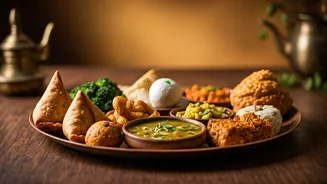
The 'One District, One Cuisine' initiative has assigned specific food items to various districts across Uttar Pradesh, with a predominant focus on vegetarian offerings. For instance, Lucknow's culinary identity within this scheme includes Rewadi, mango products, chaat, and malai makhan, despite its global recognition for Awadhi non-vegetarian dishes like kebabs and biryani. Similarly, Ayodhya is associated with Chandrakala, balushahi, kachori, and peda, kulhad dahi-jalebi. Western Uttar Pradesh sees Agra highlighted for Petha and dalmoth, while Mathura focuses on Peda and khurchan. In Eastern Uttar Pradesh, Varanasi is linked to Thandai, lassi, kachori, and Banarasi paan. The list also includes specific items for other districts such as Hardoi (potato puri, laddoo), Lakhimpur Kheri (banana, jaggery, khoya peda), and Kanpur (which is not explicitly listed but falls under a broader regional category). While the intention is to promote unique local specialties, the exclusive selection of vegetarian items has drawn sharp criticism for its limited scope.
Government Rationale and Reactions
Officials from the Uttar Pradesh government have offered explanations for the ODOC plan's vegetarian focus, with some suggesting it's a strategic move to promote 'healthy' and 'traditional' foods. MSME minister JPS Rathore stated, "We are merely promoting vegetarian dishes," and that the aim is to showcase foods that 'best represent that district.' However, this rationale has been met with skepticism, as many traditional Indian cuisines, including those in Uttar Pradesh, prominently feature meat. The opposition parties have also condemned the list as 'flawed' and an 'insult to culinary diversity,' urging the government to reconsider. Despite the criticism, the government has not yet issued a detailed official response, though it is anticipated that the list may be revised based on feedback and expert consultations to ensure a more comprehensive representation of the state's culinary heritage.