







The Silent Threat
As a kidney surgeon, I frequently encounter patients whose renal health has deteriorated to a critical stage, often to the point of complete failure. This
advanced condition necessitates lifelong dialysis or a kidney transplant, treatments that, while life-saving, are increasingly strained by rising demand. Projections indicate a nearly 86% surge in dialysis rates in Australia by 2032, creating significant pressure on available resources and leading to extended waiting lists for transplants, sometimes spanning two to three years. The current healthcare system is often operating at its maximum capacity dealing with individuals already suffering from kidney disease. It's a stark reality that detecting and managing kidney issues in their nascent stages offers a far superior outcome for both patients and the broader health infrastructure, preventing the extensive suffering and immense costs associated with advanced disease.
Understanding Kidney Function
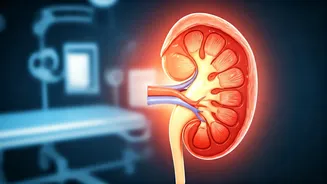
Our kidneys, roughly the size of our fists, are powerhouse organs situated at the rear of our abdomen. Their primary role is to meticulously filter waste products and excess fluid from our bloodstream, transforming them into urine. Beyond this crucial detoxification, they are vital for producing hormones essential for red blood cell generation and maintaining bone integrity. Furthermore, they act as crucial regulators of blood pressure by carefully balancing the body's salt and mineral levels. Kidney disease can arise from various factors; for instance, consistently high blood glucose or elevated blood pressure can inflict damage upon the delicate blood vessels and filtering units, known as nephrons, thereby impairing their filtering capability. The insidious nature of kidney disease lies in its often 'silent' progression, with individuals potentially losing up to 90% of kidney function before any noticeable symptoms manifest.
Proactive Kidney Health Checks
To combat the silent progression of kidney disease, a proactive approach is paramount. Kidney Health Australia advocates for a standardized 'kidney health check' to be administered by General Practitioners (GPs) for individuals at heightened risk, ideally every one to two years. This screening is particularly vital for those managing diabetes, hypertension, heart disease, or obesity. Specific demographic groups also fall into higher-risk categories, including First Nations people, individuals with a history of smoking or vaping, those with a family history of kidney ailments, and adults over the age of 60. This comprehensive check-up involves a routine blood pressure measurement, a blood test to assess kidney function, and a urine test to detect the presence of protein, an early indicator of kidney damage. Early identification and intervention are not merely beneficial; they are estimated to prevent over 38,000 premature deaths, add 165,000 years of healthy living, and yield substantial economic savings, with a projected return of $45 for every $1 invested over the next two decades.
Your Role in Prevention
While not all contributors to chronic kidney disease are entirely avoidable, significant steps can be taken to mitigate the risk. Engaging in regular dialogue with your GP is fundamental to ensuring your health is on the right track. This involves diligent management of blood pressure and diabetes, maintaining a healthy body weight, and adhering to a diet that is mindful of salt intake. Crucially, adopting a lifestyle free from smoking or vaping, incorporating regular physical activity, and ensuring adequate hydration are vital. It's also important to exercise caution with the prolonged use of non-steroidal anti-inflammatory drugs (NSAIDs) such as ibuprofen, as excessive consumption can negatively impact kidney function over time. By embracing these preventative measures, individuals can significantly contribute to preserving their kidney health and avoiding the severe consequences of advanced disease.