







Bullet Train Vision
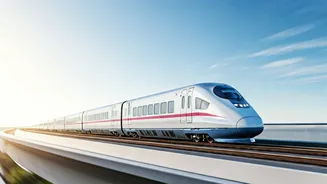
The Mumbai-Ahmedabad bullet train project stands as a testament to India's commitment to modernizing its infrastructure. This initiative, envisioned as the
first of its kind, promises to redefine the landscape of transportation, connecting major cities with unprecedented speed and efficiency. The project's genesis lies in the desire to provide a fast and reliable mode of transport, reducing travel times significantly and boosting connectivity between economic hubs. The bullet train, employing advanced technology, aims to seamlessly integrate into the existing railway network, creating a cohesive and upgraded transportation ecosystem. This project reflects the nation's broader vision of technological advancement and its dedication to elevating the quality of life for its citizens by facilitating quicker and more convenient travel options. It symbolizes India's aspiration to keep pace with global standards in infrastructure development, setting a precedent for future projects. This ambitious undertaking signifies a pivotal moment in the evolution of India's railway system, representing a fusion of cutting-edge technology and strategic urban planning designed to accelerate the nation's progress.
Project Overview
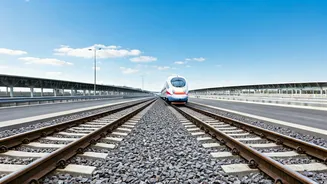
The Mumbai-Ahmedabad bullet train project, a beacon of modern engineering, will traverse a substantial distance, connecting two of India's most economically vital cities. The implementation of this high-speed rail network involves intricate planning and collaboration across various governmental bodies and international partners. The route, carefully selected to optimize connectivity and minimize disruptions, promises to significantly reduce travel time compared to traditional rail and road transport. The project includes the construction of dedicated tracks, advanced signaling systems, and state-of-the-art stations designed to accommodate the bullet train's high-speed operation. This infrastructure enhancement will not only facilitate faster travel but also generate numerous economic opportunities, including job creation and the stimulation of local businesses along the route. Moreover, the project is designed with a strong focus on safety and sustainability, incorporating modern technologies to minimize environmental impact and ensure the highest standards of passenger safety. This comprehensive approach underscores the government's commitment to creating a sustainable and efficient transportation system that contributes to India's overall economic and social development. The project's long-term benefits are aimed at creating a model for future infrastructure projects across the country.
Budget 2026 Proposals
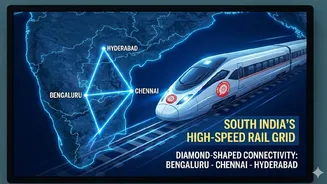
The 2026 budget introduced an expansion of high-speed rail networks, indicating a commitment to the growth and modernization of India's rail infrastructure. Finance Minister Sitharaman's proposal outlined the potential development of seven new high-speed rail corridors, expanding the scope of high-speed travel across the country. These proposals demonstrate a forward-thinking approach, aiming to leverage the success of the Mumbai-Ahmedabad project to foster nationwide connectivity and reduce travel times between key cities. While the specific routes and timelines for these new corridors are still in development, the budget allocation signifies the government's continued investment in cutting-edge transportation technology. These proposed corridors demonstrate a significant investment in technology and infrastructure, which is expected to support economic growth and improve regional connectivity. The plans outline a strategic expansion of high-speed rail, aiming to create a comprehensive national network that mirrors global standards. This commitment signals a transformative phase in the Indian Railways, poised to revolutionize how people travel and how goods are transported throughout the country, further reinforcing India's commitment to becoming a leader in infrastructure development.