






A Delayed Vision
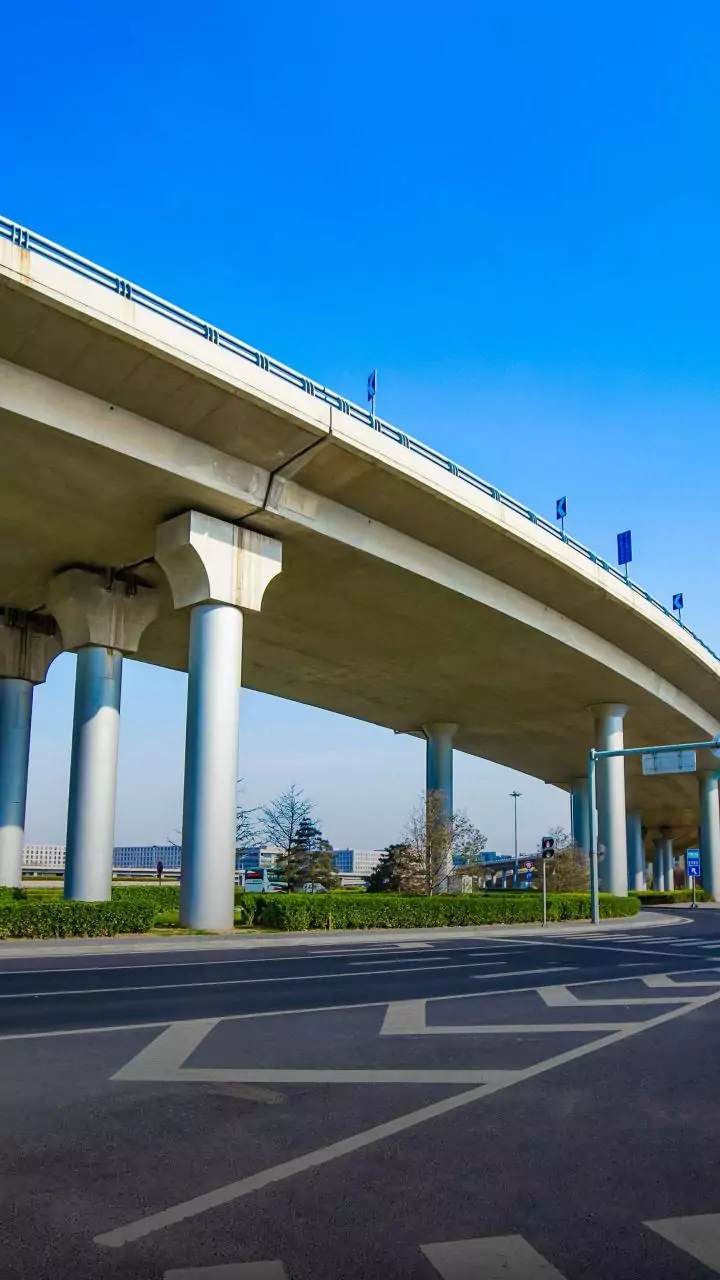
The Vidyavihar east-west link, a project first conceptualized 35 years ago, is inching closer to reality. This crucial infrastructure, designed to span
650 meters and connect Lal Bahadur Shastri Marg to Ramkrishna Chemburkar Marg above the railway tracks, has been under construction for nearly a decade. Its inclusion in the Brihanmumbai Municipal Corporation's (BMC) Development Plan dates back to 1991, with tenders floated in 2016. However, the project has encountered numerous obstacles, leading to prolonged delays and a protracted construction timeline that now sees it slated for completion by August 2026 at an estimated cost of Rs 178 crore.
Bridging the Connectivity Gap
Currently, residents of Vidyavihar face significant travel challenges due to the absence of direct east-west road connectivity. Commuters are compelled to navigate lengthy detours, utilizing road overbridges in Ghatkopar or Kurla, a journey that can consume an inconvenient 30 to 45 minutes, heavily influenced by prevailing traffic conditions. The completion of the new flyover promises a dramatic improvement, slashing this travel time to under 10 minutes, thereby alleviating daily commutes and enhancing urban mobility for thousands.
Environmental Concerns Mount
Amidst Mumbai's current struggle with intense heatwave alerts, exacerbated by the El Niño climatic phase, the BMC's proposal to fell or transplant 162 trees for the flyover's vehicular arm has ignited considerable public concern. The civic body's proposal indicates a total of 213 trees are in the project's path, with 77 to be felled, 85 transplanted, and 51 retained. This decision has drawn sharp criticism from environmentalists who highlight the dual impact of urban development and climate change on the city's green cover and its ability to mitigate rising temperatures. Activists point out that the concreting of roads around existing trees further damages their root systems by impeding groundwater percolation, a problem compounded by the felling of numerous trees for infrastructure, leading to a substantial ecosystem degradation and increased land surface temperatures.
Compensatory Green Efforts
In an effort to offset the environmental impact, the BMC has committed to compensatory afforestation, proposing the plantation of 2,278 new trees. This extensive greening initiative is planned for a 2.05-hectare plot in Panvel, Raigad district. The civic authorities cited the difficulty of acquiring sufficiently large land parcels within Mumbai for such a scale of compensatory planting as the primary reason for selecting Panvel. The Forest Development Corporation of Maharashtra (FDCM) has been earmarked to execute this work. The overall environmental mitigation plan, including tree transplantation and a seven-year maintenance period, is projected to cost the BMC Rs 1.99 crore.