








The Chemical Ripening Threat
As the mango season commences, authorities in Hyderabad have launched an aggressive campaign against the illicit use of ripening agents, primarily calcium
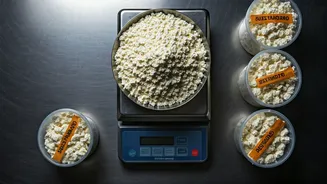
carbide and ethylene. These chemicals are being employed by unscrupulous traders to hasten the ripening process, leading to fruits that appear visually appealing but pose significant health risks. Naturally ripened mangoes often exhibit a range of colors, whereas those ripened artificially tend to display a uniform, bright yellow hue. However, this attractive exterior conceals an unripe and potentially toxic interior. Recent operations have led to the arrest of wholesale fruit traders and the seizure of large quantities of mangoes suspected of being chemically treated. Over two dozen sachets of a ripener, 'Diamond Ripe Ethylene,' were confiscated from one trader alone, highlighting the extent of the problem. Authorities are actively monitoring warehouses and wholesale markets to prevent the distribution of these harmful fruits. This proactive measure is crucial in safeguarding public health during the peak mango consumption period.
Identifying Risky Mangoes
Consumers are urged to exercise extreme caution when selecting mangoes, especially those that appear unnaturally vibrant or have an uniform golden-yellow color. A key indicator of artificial ripening is the lack of natural color variation. Chemically ripened mangoes often look perfect on the outside but remain hard and immature within. Medical experts warn that ingesting such fruits can lead to immediate gastrointestinal distress, including nausea, vomiting, and diarrhea. Long-term exposure to these chemicals may also result in more severe health issues, affecting the nervous system and respiratory functions. Furthermore, buyers should be wary of mangoes labeled as 'organic' if their appearance seems suspicious. Subtle signs like an unusual chemical odor, a strange taste, or unexpected color changes when washed with baking soda water can all signal chemical treatment. Authorities are advising consumers to report any such observations to the police or the H-Fast helpline to aid in their enforcement efforts.
Enforcement and Public Vigilance
Hyderabad City Police, in collaboration with the H-Fast (Hyderabad Food Adulteration Surveillance Team), is implementing a zero-tolerance policy against traders who compromise public health for profit. Strict surveillance is being maintained over godowns, warehouses, and retail outlets suspected of engaging in the sale of adulterated mangoes. Legal action is being pursued against violators, ensuring that those who play with public well-being face stringent consequences. The police commissioner has encouraged citizens to be active participants in this crackdown by reporting any suspicious mangoes they encounter. Reports can be made by calling Dial 100 or contacting the H-Fast helpline at 8712661212. While some wholesale traders emphasize that not all traders engage in illegal practices and plead against collective blame, the authorities remain focused on eradicating the menace entirely. H-Fast officers are also instructing sellers to report any individuals attempting to sell unsafe ripening agents, further strengthening the supply chain vigilance.