



The Margin of Victory
The path to political dominance in West Bengal for the 2026 elections appears to be heavily influenced by a specific set of constituencies where the outcomes
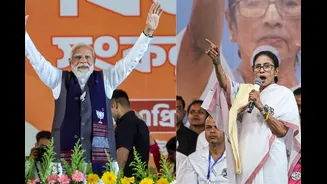
in the previous election were incredibly close. A significant 57 seats were decided by razor-thin margins, with victories secured by 8,000 votes or fewer. This close contest saw the Trinamool Congress (TMC) securing 29 of these seats and the Bharatiya Janata Party (BJP) clinching 28, illustrating an almost equal distribution of support in these areas. Illustrative examples of these tight races include Nandigram, where the Leader of Opposition won by a mere 1,956 votes against the Chief Minister, Kulti by just 679 votes, Ghatal by 966 votes, Dantan by a slim 623 votes for the TMC, and Bankura where the BJP had a margin of 1,468 votes. The Dinhata constituency in Cooch Behar district provides a stark instance of electoral volatility; BJP leader Nisith Pramanik initially won by only 57 votes, but a subsequent by-election witnessed a dramatic reversal with the TMC achieving a landslide victory of over 1.6 lakh votes, demonstrating the potential for swift and substantial shifts in electoral fortunes within these sensitive constituencies.
Geographic & Demographic Focus
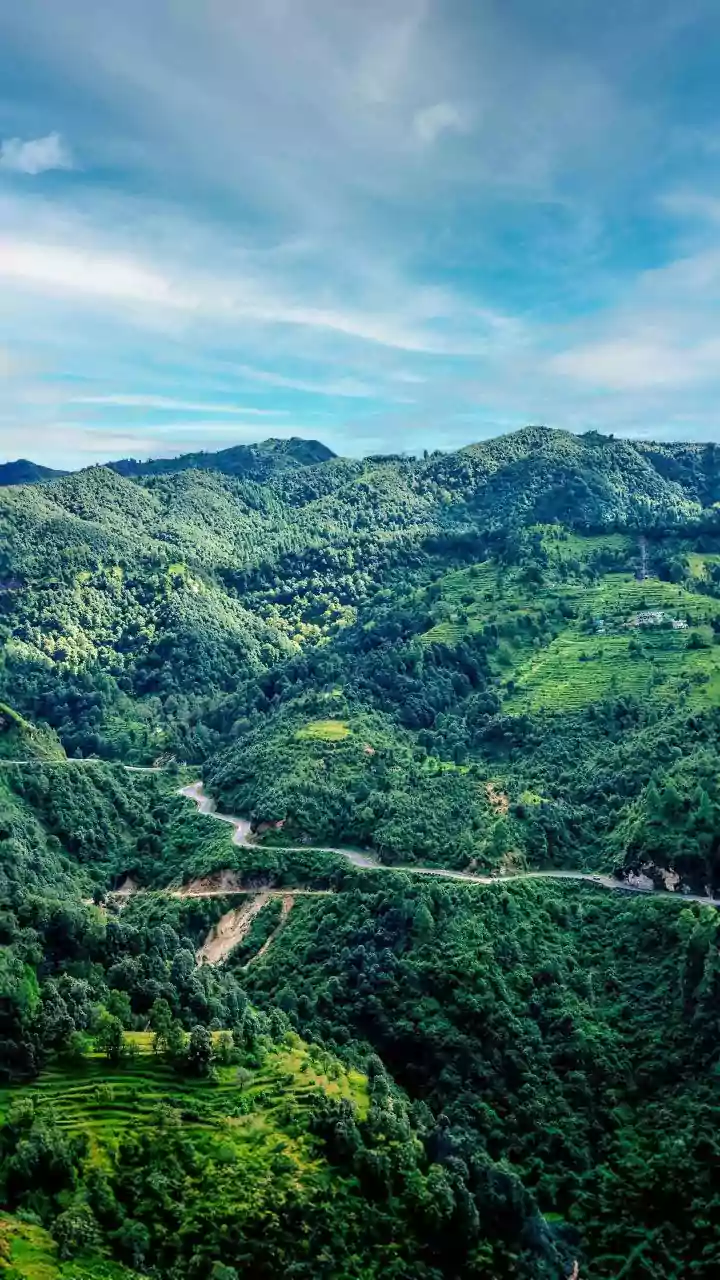
These pivotal seats are not uniformly distributed across the state; they exhibit distinct geographical concentrations that are crucial for understanding their electoral dynamics. The majority of these closely contested constituencies, numbering 47, are situated in the southern districts of West Bengal, while the northern region accounts for the remaining 10. A particularly dense cluster of these battlegrounds is located in the western belt of the state. This includes districts like Purba Medinipur, Paschim Medinipur, Bankura, Purulia, and Paschim Bardhaman, areas that were home to some of the most fiercely fought electoral contests in 2021. Delving deeper into district-level data reveals the intensity of these close races: Bankura and Paschim Bardhaman each host six constituencies decided by narrow margins. Similarly, Purba Medinipur, Paschim Medinipur, and Purulia each contain five such seats. The electoral landscape in these western districts is remarkably diverse, encompassing rural, industrial, and tribal areas, which contributes to their heightened competitiveness and complexity. Additionally, the industrial and peri-urban zones, including constituencies like Medinipur, Hooghly, Howrah, Barrackpore, Ghatal, and Durgapur, represent another critical cluster where economic issues and employment are significant drivers of voter sentiment. The border districts, particularly Nadia and North 24 Parganas, featuring constituencies such as Krishnanagar, Bongaon, and Basirhat, are also key battlegrounds, where identity politics, notably concerning the Matua community and citizenship, are expected to play a defining role.
Shifting Alliances, Fragmented Votes
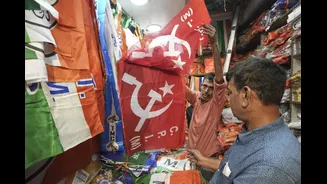
The electoral calculus in these delicately balanced constituencies is further complicated by the increasing likelihood of a more fragmented political contest in the upcoming elections. The traditional two-party dominance is facing new pressures, with potential shifts in alliances and the emergence of smaller political entities. The Congress party's decision to potentially contest independently, coupled with the CPI(M)'s explorations of potential alliances, could lead to a dispersal of votes. Furthermore, the entry of smaller regional parties into the fray adds another layer of unpredictability. In constituencies where electoral margins were already exceptionally narrow in the past, even minor vote splits among these various political actors could significantly alter the final outcomes. Both the ruling Trinamool Congress (TMC) and the principal opposition, the Bharatiya Janata Party (BJP), are acutely aware of the heightened stakes involved in these particular seats. Leaders from both parties have publicly acknowledged that even a marginal swing of a few thousand votes in either direction could be instrumental not only in determining the fate of individual candidates but also in shaping the broader electoral verdict of the state. This heightened sensitivity to vote share fluctuations underscores the critical importance of these swing seats in the overall political landscape of West Bengal.