
Unseasonal Rainfall Impact
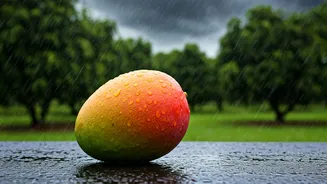
Unseasonal rainfall has emerged as a significant threat to mango production in India. The erratic weather patterns disrupt the regular flowering and fruiting
cycles of mango trees, leading to a decrease in yield. Farmers who depend on consistent seasons and weather find it difficult to manage and predict the outcome of their crops. This unexpected rainfall often damages the flowers and newly formed fruits, which reduces the quantity and quality of the mangoes available. The timing of the rainfall is crucial; for instance, rain during the flowering stage can devastate the potential crop. The impact isn’t uniform across all mango varieties or regions, with some areas seeing more severe effects due to local weather conditions and geographical factors. Consequently, the unpredictable nature of the weather complicates the farmers' already challenging task of ensuring a successful harvest and managing their livelihoods.
Challenges for Growers
The challenges are multifaceted for mango growers. The impact of unseasonal rainfall goes beyond just reduced yields. It also has financial implications. Farmers often invest heavily in pesticides, fertilizers, and labor, anticipating a certain level of yield based on historical patterns. However, the unpredictability of the rainfall means that these investments do not always pay off. They might face losses. Moreover, the increased moisture from the rainfall can promote diseases and pests, such as fruit flies and fungal infections, which further damage the crop. Dealing with these issues requires farmers to adapt their farming practices. Many are experimenting with different strategies, such as changing the timing of their fertilizer applications or applying fungicides to mitigate disease. However, these solutions are often expensive and require significant expertise, creating a further burden. The growers also have to deal with the fluctuating market prices. The reduced availability of high-quality mangoes can affect the prices. The erratic supply affects their earnings.
Economic and Cultural Effects
The effects extend far beyond the orchards, influencing both the economy and the cultural landscape of India. Mangoes are a significant part of the agricultural economy, with the fruit being a major cash crop for many regions. The drop in production can lead to a decrease in income for farmers and a rise in prices for consumers. Moreover, the mango industry supports a wide range of related businesses, including those involved in transportation, processing, and exporting. The decline in mango production can have a cascading effect, impacting jobs and revenue across these sectors. Culturally, mangoes have a deep significance. They are not merely a fruit but also a symbol of summer, celebration, and tradition. The unavailability of mangoes, or higher prices, can affect festivities and cultural events. The mango also features prominently in cuisine, influencing regional dishes. The impact of unpredictable rainfall on mango production underscores the larger vulnerability of the agricultural sector to climate change.