





Menus Get Leaner
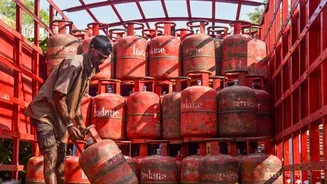
The ongoing LPG cylinder shortage is significantly impacting daily operations for numerous food establishments across Ahmedabad, leading to a noticeable
reduction in available menu items. Kamesh Patel, proprietor of Gidima in Thaltej, shared that his restaurant, which typically consumes one LPG cylinder every two days, has had to implement cost-saving measures by limiting his offerings. Popular, high-revenue dishes like dosas are being prioritized, while items such as rice-based meals, various breads, and curries might be temporarily removed. Patel is even contemplating suspending delivery services on certain days to manage the situation better, explaining that the constant switching of the gas on and off for single orders is inefficient. To cope, he is actively investigating alternative cooking solutions, including induction stoves and electric tawas, as a means to circumvent the reliance on traditional gas cylinders and maintain some level of operational continuity amidst this supply crisis. This strategic adjustment aims to conserve precious fuel and maintain a functional kitchen, even if it means a less diverse customer experience.
Small Vendors' Struggles
For smaller food vendors operating on extremely tight financial margins, the LPG shortage presents an even more dire challenge. Vinod Kumavat, who recently opened his stall, recounted instances where potential customers had already departed due to a brief, unavoidable interruption in gas supply. He explained that street vendors usually find an LPG cylinder lasts between two to three days, depending on the footfall, making extended shortages incredibly difficult to navigate. In areas like Bhatiyar Gali, renowned for its Mughlai cuisine and typically bustling during Ramzan, crowds have noticeably thinned. Mohammad Naid, a vendor in this locality, lamented that this is usually their most profitable season. The situation is exacerbated by LPG cylinders now costing approximately Rs 2,000, with availability being a consistent issue. Naid revealed that the scarcity has already compelled several vendors to cease operations temporarily, and he himself is down to his final LPG cylinder. He estimates that at least eight to ten businesses he knows of have already shut down due to the inability to secure gas, emphasizing that without it, business is simply unviable.
Soaring Costs & Panic
The scarcity of LPG cylinders has not only impacted availability but has also led to a dramatic increase in prices, creating a significant financial strain on food businesses. At Happy Street, a popular late-night food lane, vendor Rahul reported a substantial dip in business, estimated at around 15 percent. Ajay Yadav, a street food vendor with nearly two decades of experience near Law Garden, spent his morning desperately searching for an LPG cylinder before even purchasing vegetables or preparing his stall. He visited five to six agencies without success, highlighting the acute shortage. Meanwhile, vendor Uday Singh recounted paying Rs 1,500 for what he described as 'half a cylinder,' underscoring the inflated costs. He expressed concern that even a small price increase on his Rs 70 plates could drive customers away to competitors. The situation is particularly acute for commercial LPG cylinders, with Magan Patidar, who manages Mahadev Rajwadi, a chain of tea stalls, noting that prices have nearly doubled. What used to cost Rs 1,800 or Rs 1,900 is now being quoted at Rs 2,500 to Rs 3,000, with some vendors even asking for Rs 4,000. Patidar currently has one spare cylinder, expected to last another four to five days.
Supply Chain Pressures
Addressing the supply chain issues, Rajendra Pandey of Priya Gas, an agency supplying commercial clients in Thaltej, Memnagar, and Sola Road, acknowledged a 'demand and panic' situation but refuted claims of illegal sales. He stated that commercial supply has been restricted, and agencies themselves have not received sufficient stock from manufacturers, leaving no surplus to be diverted to the black market. Similarly, Krishiv, an agency serving residential areas in Ghatlodiya and Naranpura, denied any possibility of black marketing, citing the mandatory Delivery Authentication Code required for cylinder issuance. Other LPG agencies also confirmed supply pressures but were reluctant to provide detailed comments. Adding to the complexity, staff at Jay Mahadev Enterprise mentioned instructions to prioritize domestic consumers over commercial ones, further exacerbating the difficulties for eateries. This prioritization, coupled with price hikes of Rs 400–Rs 500, indicates a systemic strain on the LPG distribution network.
Exploring Alternatives
In response to the persistent LPG shortage, many eateries are actively exploring and adopting alternative cooking methods to ensure continued operations. Bilal Shaikh, owner of ZK Restaurant, has begun incorporating coal into some of his cooking processes as a temporary measure to reduce dependence on LPG and keep daily preparations flowing. He indicated that a complete shift to coal might be necessary if the current situation persists. Vendors who already utilize coal-fired stoves have remained largely unaffected by the crisis. Mohammad Kasim, another vendor, noted that while he uses coal and thus faces no issues, many restaurants are struggling and may soon revert to using coal. This trend suggests a potential return to traditional cooking methods for some businesses. Furthermore, some establishments are considering electric cooking equipment and coal-fired stoves to diversify their energy sources and mitigate the risks associated with LPG supply instability. These adaptations are crucial for survival in an environment marked by unpredictable fuel availability and escalating costs, aiming to maintain business continuity.