






Temperature Plummets
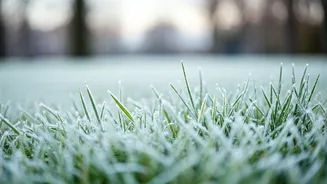
The weather took a significant turn as Delhi-NCR shivered under a severe cold spell. The minimum temperature recorded was a mere 4.6°C, marking the season's
lowest. This chilling reading signaled a notable drop, impacting the everyday lives of the people residing in the area. The cold intensified the need for warmer clothing and other measures to combat the extreme conditions. This temperature plunge was a stark reminder of the winter season's full force in the capital.
Impact on Residents
The drastic fall in temperature had a palpable effect on the daily routines of Delhi-NCR residents. People were compelled to bundle up in layers of warm clothing to shield themselves from the icy winds. The cold created challenges, particularly for vulnerable groups such as the elderly and those experiencing homelessness. Public health advisories likely emphasized precautions against the cold, aiming to prevent cold-related illnesses. The city's infrastructure and services may also have been affected by the weather, causing minor disruptions.
Weather Outlook
As the cold snap gripped Delhi-NCR, weather forecasts became crucial for residents. Information from the India Meteorological Department (IMD) played a vital role, providing updates and warnings about the ongoing weather patterns. Predictions of possible further temperature drops or relief from the cold influenced the way people planned their activities. Citizens likely stayed informed about any adjustments in the weather, ready to adapt to what nature brings, whether colder or a bit warmer.
Coping Strategies
In response to the frigid weather, people of Delhi-NCR adopted various strategies to stay warm and healthy. Many took measures to heat their homes effectively, using heaters and other warming devices. The consumption of warming foods and beverages, like hot tea and soups, increased. Public health measures may have highlighted the significance of protecting oneself from the cold and avoiding prolonged exposure. Adjustments in daily schedules or activities probably happened to accommodate the effects of the weather, demonstrating resilience in the face of winter's chill.
Regional Comparison
While Delhi-NCR felt the full impact of the cold, a broader analysis of weather conditions across the region provided a wider context. Comparisons with other states or cities in the region would have helped to understand how the cold compared locally. Understanding these variations gave perspective on the severity of the cold. Exploring climate data from previous years would help determine the unusualness or typicality of the current temperatures. Such comprehensive insights added to a clearer overall understanding of the specific weather challenge facing Delhi-NCR.