





Introduction to Jewels
India's history is adorned with tales of royalty, power, and unparalleled craftsmanship, particularly evident in its magnificent jewels. These precious
stones and intricate designs are more than just displays of wealth; they embody cultural values, historical events, and artistic excellence. The jewels were often symbols of status and authority, adorning kings, queens, and nobles. Each piece reflects the unique tastes and preferences of the wearer and the era in which it was created. From the Mughal era's influence to the contemporary styles of Indian royalty, these jewels continue to captivate the imagination.
Nur Jahan's Taj Mahal
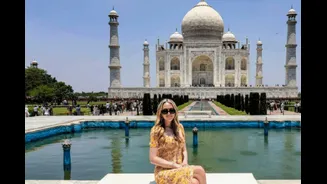
One of the most remarkable instances is the Taj Mahal, which is often considered a symbol of eternal love. While the Taj Mahal itself is an architectural marvel, the details of the jewels associated with Nur Jahan, the wife of Mughal Emperor Jahangir, are less commonly known. Nur Jahan was a significant figure in the Mughal court, and her influence extended to the arts and fashion. While specific details about the jewelry worn by Nur Jahan are scarce, it can be inferred that her collection would have comprised intricate pieces crafted with precious stones like diamonds, rubies, and emeralds, reflecting the opulence of the Mughal Empire. It is believed that the jewelry associated with Nur Jahan might include elaborate necklaces, earrings, and armbands, showcasing a blend of Persian and Indian design elements.
Maharani Sita Devi's
The Star of South Diamond Necklace, a truly remarkable piece of jewelry, once belonged to Maharani Sita Devi of Baroda. Known for her extravagant lifestyle and remarkable taste, Maharani Sita Devi was a prominent figure in the Indian royal circles during the early 20th century. The Star of the South Diamond Necklace is one of the most famous pieces of her collection. This stunning necklace featured the Star of the South diamond, a large, flawless gem, surrounded by other diamonds and intricate settings. It embodied the Maharani's love for exceptional jewelry and her role as a style icon. This necklace continues to be a symbol of the Maharani's legacy, representing her elegance and influence.
Royal Indian Jewelry
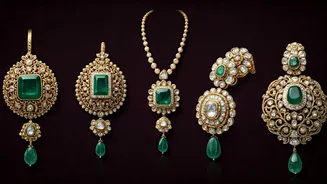
The landscape of royal Indian jewelry is a diverse collection, with unique pieces from different regions and dynasties. The rich traditions of the Indian subcontinent have produced many precious items that are still celebrated today. Examples include necklaces, bracelets, earrings, and head ornaments, frequently crafted with precious metals, diamonds, rubies, emeralds, and sapphires. Each piece reflects the aesthetic preferences and cultural context of its time. The intricate craftsmanship, symbolism, and cultural significance of these pieces demonstrate the rich heritage of India. These jewels represent not only beauty but also stories of power, artistry, and the enduring legacy of India's royal families.
Legacy and Artistry
The precious royal Indian jewelry stands as a testament to the enduring traditions and intricate skills passed down through generations. These jewels have been meticulously crafted by skilled artisans who have perfected their techniques over centuries. They reflect the tastes and ambitions of the royal families and represent a convergence of art, culture, and history. These treasures continue to captivate the public, evoking the glory of a bygone era, with their beauty and the stories behind them. These jewels are more than just ornamental pieces. They are time capsules, encapsulating the stories of kings, queens, and the enduring legacy of India's royal families.