






Ancient Hearts, Long Lives
The Greenland shark, a true marvel of the animal kingdom, holds the record for being the longest-living vertebrate on Earth. These majestic creatures lead
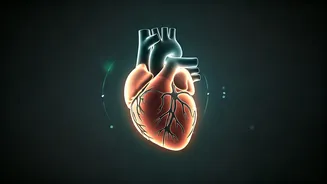
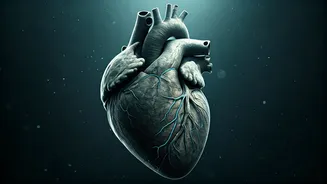
an exceptionally slow-paced existence, with their hearts beating as infrequently as once every 12 seconds. Remarkably, new scientific investigations have revealed that these hearts possess an extraordinary ability to function for hundreds of years without succumbing to age-related degeneration. This resilience is a key factor in their incredible longevity, allowing them to thrive for centuries in the frigid, deep-sea environments they call home. Their sluggish movement, averaging a mere foot per second, and an annual growth rate of only 0.4 inches contribute to their extended lifespans, with sexual maturity not reached until a venerable 150 years of age. This deliberate adaptation to a slow life is central to their survival and their ability to accumulate such vast numbers of years, potentially reaching 200, 400, or even more. Furthermore, despite their seemingly sedentary lifestyle, scientists have debunked any notions of blindness, confirming that these 'sleeper sharks' maintain functional eyesight, adept at navigating low-light conditions. The profound implications of studying such longevity could pave the way for understanding and potentially extending human life.
Unraveling Cardiac Secrets
A groundbreaking study, spearheaded by Alessandro Cellerino and his team at the Superior Normal School's Biology Laboratory in Italy, meticulously examined the hearts of Greenland sharks. This research involved a comparative analysis, contrasting the heart tissue of these ancient giants with that of the smaller, shorter-lived belly lantern shark. To further illuminate the mechanisms of aging, the African turquoise killifish, a model organism frequently used for studying accelerated aging, was also included in the comparative study. The findings suggest that Greenland sharks possess a robust DNA repair system, crucial for warding off tumors, and a highly effective immune system that collectively ensures their traits remain resilient despite their age. Although their growth is slow, they can reach an impressive sixteen feet in length. Their genomes are rich in genes associated with cancer suppression, anti-inflammatory properties, and potent DNA repair capabilities, all vital for survival in their cold, deep-sea habitat. Intriguingly, the study observed that Greenland sharks aged between 100 and 155 years exhibited signs of cardiac weakening, including fibrosis due to scar tissue accumulation and reduced pumping efficiency. This was accompanied by a buildup of lipofuscin, a pigment indicating the accumulation of damaged cellular components that aren't properly broken down, within their cardiomyocytes – the heart's primary pumping cells. Additionally, their cardiac mitochondria, the powerhouses of these cells responsible for energy production and overseeing lysosomes, showed damage. However, compared to the other organisms in the study, these classic aging indicators were notably absent or less pronounced in the Greenland shark's heart.
Beyond Biological Immortality
Contrary to what one might assume about such extreme longevity, the research published on April 23rd definitively states that 'All in all, the analysed Greenland shark samples showed clearly recognisable signs of classic ageing at the molecular and tissue level. This proves that ageing processes also take place in the heart tissue of this species.' This highlights that while the sharks age, their hearts possess an extraordinary capacity to maintain function. This remarkable resilience doesn't impede their ability to hunt and capture prey, a testament to their ongoing vitality, as confirmed by specimens caught through longline fishing. The shark's heart sustains its function despite the passage of years, partly due to a significantly lower blood pressure compared to many other species and a unique structural adaptation in its ventral aorta. The inherent elasticity of the heart muscle also plays a crucial role in this surprising mechanism of sustained cardiac health. The paper further elaborates that 'The shark’s resilience to ageing could help scientists better understand longevity in vertebrates, including humans. These findings may also inform translational approaches to mitigate age-related cardiac decline in humans.' This study offers a substantial foundation for current and future scientific exploration into the secrets of the longest-living creatures on our planet, potentially unlocking vital knowledge for human health and aging.