
Silent but Significant
The insidious nature of diabetes is its ability to remain undetected for extended periods. This lack of obvious symptoms is a significant hurdle in early
detection and management. Many people unknowingly live with elevated blood sugar levels, increasing their risk of severe health complications like heart disease, kidney problems, and nerve damage. The absence of readily apparent symptoms underscores the importance of regular health check-ups and proactive monitoring. Recognizing this 'silent' aspect is the crucial first step toward protecting one's health. The insidious progression of the disease means it's possible to be affected without realizing it, which makes early detection and active health management even more critical.
Effective Lifestyle Changes
Several lifestyle modifications have been scientifically validated for effectively managing diabetes. Diet plays a central role; focusing on a balanced intake of whole foods, including fruits, vegetables, lean proteins, and whole grains, can significantly improve blood sugar levels. Portion control is also important, along with careful monitoring of carbohydrate intake. Regular physical activity is another critical aspect, with a recommendation of at least 150 minutes of moderate-intensity exercise per week. This can improve insulin sensitivity. Maintaining a healthy weight through diet and exercise enhances blood glucose control. Adequate sleep and effective stress management are also important because stress and insufficient sleep can worsen insulin resistance and elevate blood sugar levels.
Diet and Weight Loss
The combined effect of dietary adjustments and weight loss can sometimes lead to diabetes remission for certain people. A carefully planned, lower-calorie diet, emphasizing whole, unprocessed foods, can help achieve weight loss. This, in turn, can improve the body's sensitivity to insulin. Exercise amplifies the positive effects of weight loss, further aiding in blood sugar control. However, it's essential to understand that remission is not a guarantee and may require significant and sustained changes. It is also more probable in people recently diagnosed or with milder forms of diabetes. Working with healthcare professionals, including a registered dietitian and a doctor, is critical for personalized guidance and monitoring. These experts can tailor the program according to the individual's particular health condition and objectives.
Dangerous Misinformation
The Internet is awash with misleading health advice, including claims about 'miracle cures' for diabetes. Many of these remedies lack scientific support and can be dangerous. Some may promote unproven supplements or extreme dietary restrictions that can lead to nutritional deficiencies or even worsen the condition. Other strategies can include completely eliminating prescription medication. It is essential to approach all health information critically, especially online. Always consult with a doctor or other trusted healthcare provider before trying any new treatment or making significant changes to your diet or lifestyle. Be wary of any claims that seem too good to be true, and avoid products or treatments that promise quick fixes or effortless results.
Blood Sugar Improvement Timeline
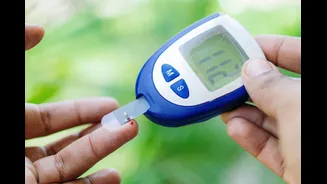
The time it takes to observe noticeable improvements in blood sugar levels varies from person to person. With consistent lifestyle changes, many individuals may begin to see positive results within a few weeks or months. Dietary changes and exercise can lead to improved blood glucose control relatively quickly. However, achieving substantial changes, such as weight loss or enhanced insulin sensitivity, can require a longer timeframe and sustained effort. Regular blood sugar monitoring is important to track progress and make necessary adjustments to the treatment plan. It is crucial to be patient and persistent, as long-term success in managing diabetes often requires an ongoing commitment to healthy habits. Working closely with healthcare professionals is vital throughout this process to ensure progress is tracked, and any issues are promptly addressed.
Medication Safety
Stopping diabetes medication without medical advice carries considerable risks. These medications are prescribed to manage blood sugar levels and prevent complications, therefore abruptly stopping them can lead to hyperglycemia, where blood sugar levels are dangerously high. This can cause severe and potentially life-threatening health problems. Always consult your doctor before making any changes to your medication regimen. Healthcare providers will review your condition and guide you based on your needs. The decision to adjust medication, including stopping it, should be made based on factors such as blood sugar control, other health issues, and any potential side effects. Never alter a treatment plan without professional guidance to prevent any adverse effects.