






The Pollution Predicament
Mumbai, a bustling metropolis, grapples daily with an overwhelming amount of solid waste, generating approximately 6,600 metric tonnes. While formal waste management
systems exist, a significant portion of this refuse, particularly plastic, bypasses landfills. Instead, it finds its way into the city's extensive network of storm water drains and natural water bodies, eventually flowing into the Arabian Sea. A startling survey revealed that nearly 5,000 metric tonnes of plastic waste enter the sea daily through 50 different drains. This persistent pollution not only contaminates 220 km of coastline and 152 square kilometres of vital mangrove ecosystems but also poses a grave threat to 107 protected marine species, underscoring the urgent need for effective intervention.
Introducing Trash Catchers
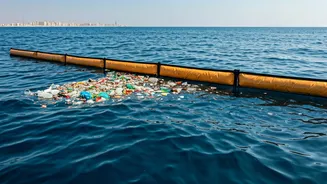
In response to the escalating marine pollution crisis and guided by directives from the National Green Tribunal, the Brihanmumbai Municipal Corporation (BMC) initiated a strategic deployment of floating waste barriers, commonly known as 'trash booms'. The pilot phase began in 2022 across six major drains and rivers in the western suburbs, including Dahisar, Poisar, Oshiwara rivers, and drains like Gazadharband, NL road, and Mogra nallah. These barriers act as ingenious conveyor systems, intercepting floating debris before it can reach the sea. This marks a significant improvement over manual waste removal, which was less efficient and required substantial manpower, only for the waste to reappear. The automated system, using cranes for extraction, efficiently captures large volumes of waste, preventing it from entering the marine environment.
Expanding the Network
The success of the initial trash boom installations in the western suburbs prompted the BMC to expand the initiative. By late 2022, two additional booms were placed in the Mithi River. The network continued to grow, with five more booms becoming operational in the eastern suburbs by August 2025, and an additional three by November 2025 in Vashi Nalla, Mankhurd Nalla, and Somaiya Nalla. Currently, Mumbai boasts a network of 21 active trash booms, with 17 managed by the BMC and four supported by Corporate Social Responsibility (CSR) funding. Each boom incurs a significant cost, around Rs. 1.5 crore for installation, plus additional expenses for transportation and operational maintenance. These systems are strategically designed and installed after thorough studies of tidal patterns to effectively manage the hydrology of each drain.
Partnerships and Future Plans
To bolster the reach and effectiveness of the trash boom program, the BMC has forged partnerships with private organizations. These collaborators are responsible for both the installation and ongoing operation and maintenance of several booms. The Bharat Clean River Foundation (BCRF), for instance, has been instrumental in installing booms at Usha Nalla, Deonar drain, Mithi river, and the Mahul drain. The BCRF also aims to recycle the collected waste, sending recyclable materials to designated facilities and using data from intercepted waste to refine designs and expand the network. Looking ahead, the BMC has awarded contracts to entities like The Ocean Cleanup and Alpha Mers to deploy systems at nine new locations. Furthermore, feasibility studies are underway for an additional 11 sites, demonstrating a comprehensive commitment to tackling plastic pollution at its source and revitalizing the city's water systems.