






Expressway's Time-Saving Impact
The recently constructed Delhi-Dehradun Expressway represents a monumental leap in intercity connectivity, dramatically slashing travel durations. This
modern marvel is engineered to cut down the journey between India's capital region and the popular hill station of Dehradun to a mere 2.5 hours. This is a significant improvement from the hours it typically takes by road currently. The expressway's design prioritizes speed and efficiency, incorporating features that minimize traffic congestion and allow for consistent high-speed travel. By facilitating such rapid transit, it aims to boost tourism, business interactions, and overall accessibility between these two vital locations, making a weekend getaway or a business trip considerably more feasible and less time-consuming.
Comparison with Air and Rail
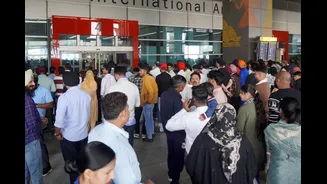
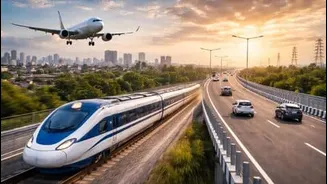
To fully appreciate the expressway's advantage, it's crucial to compare its projected 2.5-hour travel time with existing modes of transport. Conventional road travel can often extend to 5-6 hours or more, depending on traffic and road conditions. Flying from Delhi to Dehradun, while seemingly swift, involves considerable additional time for airport procedures. This includes travel to the airport, check-in, security checks, boarding, the flight itself (which is relatively short), and then deplaning and traveling from the Dehradun airport to the city. When all these factors are accounted for, the total door-to-door time can easily match or even exceed the expressway's journey. Train travel, though often scenic and comfortable, is typically the slowest option, with journey times often ranging from 5 to 7 hours. Therefore, the Delhi-Dehradun Expressway offers a compelling middle ground, providing a rapid, direct, and potentially more convenient option than either flights or trains when considering the total elapsed time and overall ease of travel.