







Road Safety Concerns
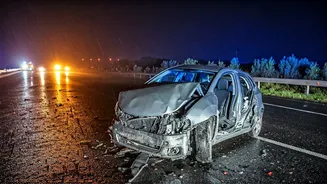
The city of Noida has recently been shaken by a series of fatal road accidents, raising serious questions about the safety of its infrastructure. The tragic
death of Yuvraj Mehta, among others, has become a focal point, sparking outrage and demands for immediate action. These accidents occurred due to infrastructural flaws, and alleged corruption has been mentioned, which has ultimately contributed to a dangerous environment for motorists and pedestrians. Authorities have come under scrutiny as the public seeks accountability for these preventable losses. The T-Point, in particular, has become a site of concern following multiple fatalities, prompting discussions on necessary safety measures. These tragedies have brought to light a bigger issue, forcing a re-evaluation of current road designs and maintenance practices.
The Yuvraj Mehta Case
The death of Yuvraj Mehta has become a significant symbol of the infrastructural issues plaguing Noida's roads. Details regarding the circumstances of his death have been widely discussed and circulated, highlighting the dangers many commuters face daily. The article 'From sports city to death trap: How corruption killed Yuvraj Mehta' sheds light on the specific factors contributing to the tragedy. It is suggested that corruption played a key role in the degradation of road quality and the lack of safety measures, directly leading to Mehta's fatal accident. This has prompted extensive debate about the responsibility of builders, local authorities, and other stakeholders in ensuring public safety. The investigation into the incident is ongoing, with legal proceedings focused on determining who is culpable for the negligence that resulted in the loss of life.
Infrastructural Deficiencies Exposed
The accidents in Noida have uncovered significant problems within the city's infrastructure. Deficiencies in road design, poor maintenance, and a lack of safety features have all been identified as contributing factors. The term 'death traps' has been used to describe certain areas, underscoring the severity of the situation and the inherent danger to road users. These infrastructural deficiencies are not merely accidents; rather, they reflect a wider systemic failure. The quality of road construction, the presence of hazards, and the absence of adequate traffic management all contribute to a dangerous environment. Investigations are ongoing to determine the extent of these problems and to develop strategies for improvements, including upgrades to road layouts and the installation of safety features such as improved lighting and barriers.
Seeking Accountability
The recent accidents have resulted in a strong push for accountability. The public demands that those responsible for the safety failures be held accountable for the resulting loss of life. In the case involving the death of Yuvraj Mehta, an individual, the builder Abhay Kumar, was arrested, indicating the willingness of authorities to take action. However, the arrest highlights a deeper need to address the systemic issues contributing to accidents, including corruption and negligence within construction and maintenance. A comprehensive examination of the roles and responsibilities of builders, municipal authorities, and other entities involved in infrastructure development is being carried out. The goal is to establish clear accountability mechanisms and ensure that such tragedies are not repeated. The focus is on implementing stricter safety regulations and better oversight to prevent future incidents.
Measures for Improvement
Addressing the road safety crisis in Noida requires a multi-pronged approach to effectively tackle the problem. Firstly, there is an urgent need for infrastructural improvements, including road repairs, better lighting, and the installation of safety barriers. Additionally, traffic management practices require revision to reduce congestion and improve flow. Strengthening safety regulations and the enforcement of traffic laws can prevent incidents from happening. This includes measures like speed limits and regulations. Lastly, there must be increased transparency and accountability within the construction and maintenance sectors to prevent corruption and ensure projects meet safety standards. The combination of these measures is important for building a safer road environment and protecting citizens.