





Visibility is Key
Ensuring clear vision is paramount when navigating through rain. Your windshield wipers are your first line of defense against the deluge, efficiently
clearing away raindrops to maintain a clear view. It's equally vital to keep your defogger operational, as condensation can rapidly obscure the windshield from the inside, especially with fluctuating temperatures. A foggy windshield significantly impairs your ability to see the road ahead, other vehicles, and potential hazards, making both wipers and defogger indispensable for safe driving in wet conditions. Regularly checking their functionality before and during your trip is a simple yet critical step to prevent accidents caused by poor visibility.
Tyres and Brakes: Grip and Stop
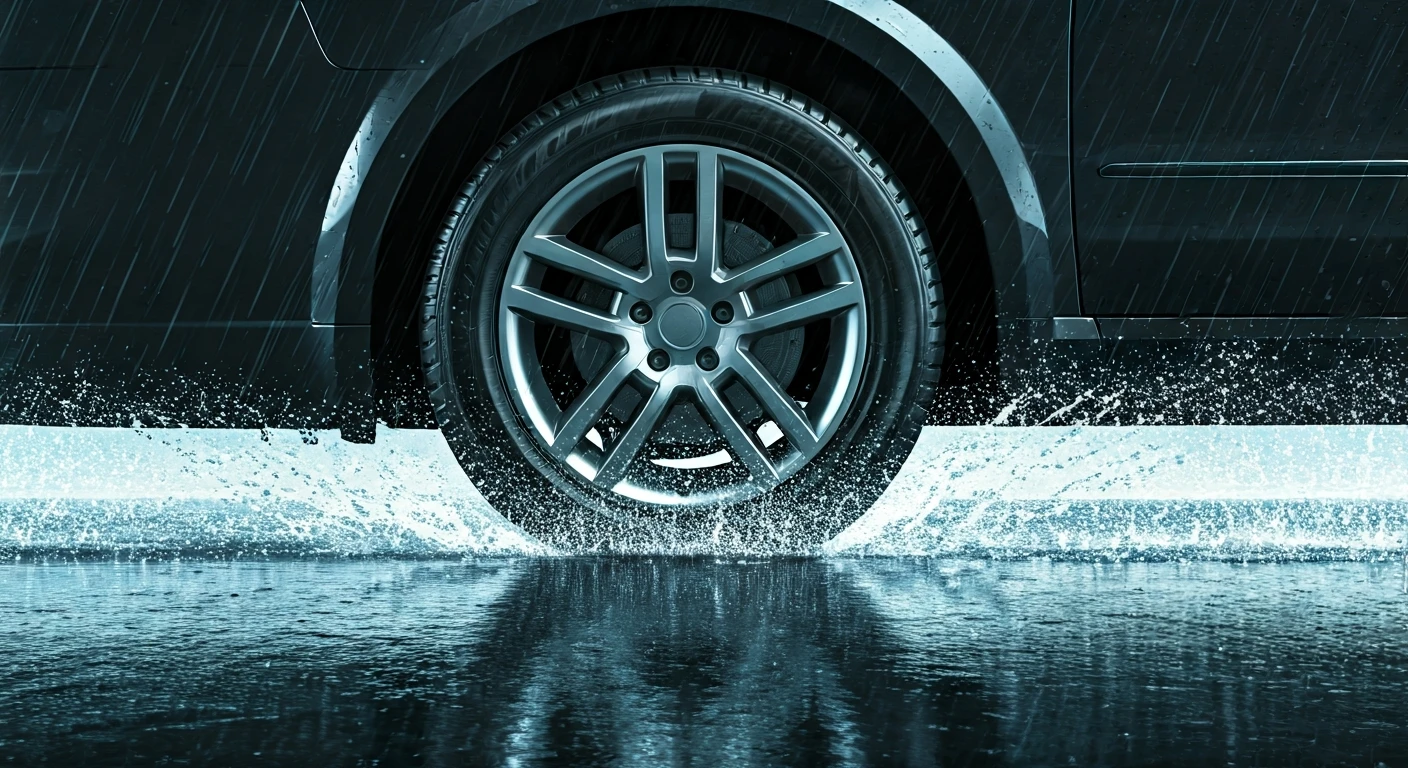
Before you set off on a rainy day expedition, a thorough inspection of your car's tyres and brakes is non-negotiable. The tread on your tyres plays a crucial role in maintaining traction on slick surfaces; worn-out tyres can easily lead to skidding, drastically increasing the risk of losing control. Equally important are your brakes. In wet conditions, the distance it takes to come to a complete stop is significantly longer. Ensuring your brakes are in optimal working order guarantees you can react effectively to sudden traffic changes or unexpected obstacles, preventing potentially catastrophic collisions on slippery roads.
Maintain Safe Distance
When driving in the rain, the usual gap you maintain between your vehicle and the one in front needs a substantial increase. Wet roads dramatically extend a car's braking distance, meaning it takes considerably longer for your vehicle to slow down. By consciously increasing the following distance, you provide yourself with a crucial buffer of time and space. This extra room allows you to react calmly and brake gradually if the vehicle ahead stops abruptly, or if you encounter unforeseen road conditions. It’s a simple adjustment that significantly enhances safety and prevents rear-end collisions.
Proper Headlight Usage
Even when it's daytime and visibility seems adequate, switching on your headlights during rainfall is a critical safety measure. The reduced light penetration caused by clouds and precipitation makes it harder for other drivers to spot your vehicle. Keeping your headlights illuminated acts as a beacon, clearly signaling your presence to surrounding traffic. This proactive approach not only helps other motorists anticipate your movements but also contributes to an overall improvement in road safety by making your car more visible, thus reducing the likelihood of collisions.
Carry Emergency Essentials
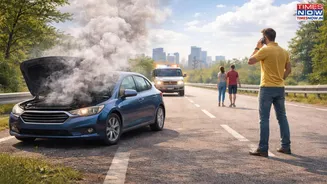
A well-stocked emergency kit is an indispensable companion for any road trip, especially during the monsoon season. Consider including a reliable flashlight with extra batteries, a comprehensive first-aid kit for immediate medical needs, a car phone charger to ensure you can always stay connected, a basic set of tools for minor repairs, and a supply of drinking water. These items can prove invaluable should you encounter unexpected breakdowns, flat tires, or any other unforeseen circumstances that might leave you stranded or in need of assistance on your journey.
Drive at Slow Speed
The allure of maintaining speed can be tempting, but during rainy weather, it's imperative to adopt a more conservative pace. Wet road surfaces are inherently more slippery, increasing the potential for your car to hydroplane or lose traction. Driving at a reduced and steady speed minimizes this risk. Avoid abrupt acceleration or sudden, hard braking, as these actions can easily unsettle the car and lead to a loss of control. A slower, more deliberate driving style allows for better vehicle handling and greater reaction time to changing road conditions.
Avoid Waterlogged Roads
When faced with stretches of road submerged under deep water, it is strongly advisable to seek an alternative route. Driving through flooded areas poses significant risks to your vehicle. The depth of the water can be deceptive, potentially hiding unseen potholes or uneven surfaces that could severely damage your car's undercarriage or suspension. Furthermore, water ingress can cause irreparable harm to critical engine components and the electrical systems, leading to costly repairs or a complete breakdown. Prioritizing safety by rerouting is a prudent decision when encountering such hazardous conditions.