






Heritage Neighborhood's Plea
Fontainhas, a gem in Panjim, Goa, is celebrated for its serene atmosphere, narrow lanes, and vibrantly coloured Portuguese-style homes, offering a stark
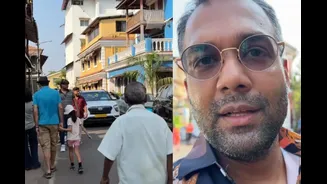
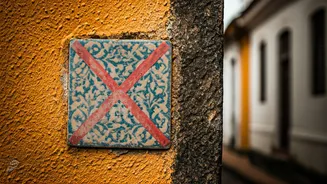
contrast to the hurried pace of modern life. However, recent events captured on video reveal a disturbing trend: visitors are flouting 'No Photography' signs, turning this tranquil residential area into a chaotic backdrop for social media content. The video prominently features a sign outside a heritage home explicitly stating 'No photography allowed with the backdrop of the house. You are under surveillance.' Despite this clear directive, the footage shows numerous individuals posing for photographs and filming videos, disregarding the fact that these are private residences. The person recording the video expresses dismay, questioning the lack of civic sense among tourists who seem driven by a desire for likes and shares, rather than respect for the local community and their homes.
Residents' Growing Frustration
The core issue at stake in Fontainhas is the erosion of privacy and peace for its residents, who feel their homes are being treated as public property for the sake of tourism. Complaints from locals paint a picture of significant disturbance, including tourists unnecessarily intruding on their living spaces. Reports indicate that visitors are not only ignoring signage but are also engaging in disrespectful behaviour, such as repositioning garden plants for better photo angles or perching on walls, all of which disrupts the quiet ambiance that makes Fontainhas so special. This disregard for personal space and property has understandably led to considerable upset among those who call this heritage district home. The residents' plea is for tourists to understand that Fontainhas, while visually appealing, remains a lived-in neighbourhood, and their actions have a direct impact on the daily lives of the people residing there.
Online Discourse Unveiled
The viral video has ignited a significant online conversation, revealing a spectrum of opinions regarding the incident in Fontainhas. While many users expressed solidarity with the residents, sharing nostalgic anecdotes of visiting the area without resorting to intrusive photography, others offered a different viewpoint. A segment of the online community argued that restricting photography in public spaces is inherently problematic, drawing a parallel between the recording of tourists and the recording of the 'No Photography' signs. This counter-argument suggests that if photography is permissible in public, then documenting violations should also be acceptable. This divergence in perspectives highlights the complexity of balancing public access with private rights, and the challenges in enforcing respectful tourist behaviour in heritage areas.
Preserving Fontainhas' Soul
Despite the differing online opinions, a strong consensus emerges regarding the underlying need to safeguard the unique character of Fontainhas. Many voices in the online debate sided unequivocally with the residents, recounting personal experiences of witnessing outright disrespect for property and signage. One observer shared witnessing tourists moving a 'no photography' standee to capture images, a behaviour that left them stunned and supportive of the locals' stance. The sentiment is that education and a greater sense of responsibility from tourists are paramount. The charm of Fontainhas, it is widely acknowledged, lies in its tranquil setting and its role as a living heritage. Therefore, preserving this delicate balance requires visitors to be more mindful and respectful, ensuring that the area remains a peaceful abode for its residents and a cherished destination for respectful appreciation.