





Kitchens Fall Silent
Across Lucknow, a palpable quiet has descended upon many restaurant and hotel kitchens, a stark contrast to their usual bustling energy. Establishments
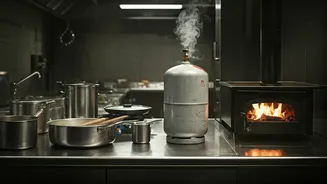
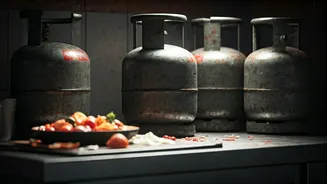
are reporting the outright cancellation of lucrative party bookings and the suspension of popular buffet services. Some hotels have resorted to offering rooms without the usual breakfast or dinner facilities, a direct consequence of depleted commercial LPG cylinder stocks. One hotel owner in Gomti Nagar, for instance, has had to close his restaurant entirely and halt all event bookings, significantly scaling back operations for his 42-room establishment. To ensure his roughly 30 employees could still be fed, he installed induction cookers, acknowledging that such units are insufficient for full-scale restaurant service, highlighting the immediate operational hurdles faced by businesses.
Operational Disruptions Mount
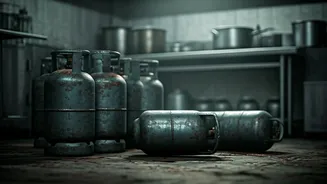
The predicament faced by the Gomti Nagar hotel is far from an isolated incident; it reflects a widespread crisis affecting eateries throughout Lucknow. Owners are vocal about a drastic scarcity of commercial LPG cylinders, compelling them to drastically reduce services, halt dining operations, fundamentally alter their menus, or desperately seek alternative cooking methods. While official statements from the government suggest no supply issue and caution against rumor-mongering, those on the ground report that existing gas reserves have been exhausted. New supplies are either significantly delayed or entirely unavailable, creating a ripple effect that disrupts kitchen operations city-wide. This has prompted many establishments to cut back on breakfast services, with some abandoning buffets altogether and others ceasing to accept any party or banquet reservations, fearing an inability to meet the fuel demands. The prolonged nature of this crisis could force many to cease operations entirely, according to industry representatives.
Exploring Costly Alternatives
In the face of dwindling LPG supplies, some larger establishments are investigating electrical cooking solutions, a move that comes with substantial costs. These high-end electric cooking systems can begin at approximately Rs 10 lakh for larger venues. More accessible options, like smaller commercial induction units suitable for basic culinary tasks, range between Rs 20,000 and Rs 30,000, with medium-scale setups costing Rs 50,000 or more. However, the transition to electric cooking isn't straightforward. Operators note that commercial induction equipment typically consumes upwards of 3 kilowatts of power, a demand that many existing electrical infrastructures cannot support without costly upgrades. Furthermore, stringent fire safety regulations prohibit the use of alternative fuels such as kerosene. This leaves many businesses in a difficult position, forced to weigh the expense of electrical upgrades against the potential for temporary or permanent closure.
Supply Chain Pressures
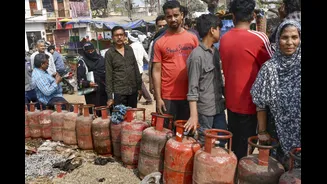
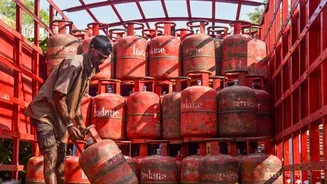
The current pressure on LPG supply chains is acutely felt by commercial entities, even as domestic consumers are being prioritized. Sources indicate that invoices for commercial cylinders are not currently being issued, with the primary focus redirected to residential demand. This shift is exacerbated by a reported surge in domestic bookings, significantly straining the existing system. Dealers point out that panic-driven bookings, amplified by social media, have caused demand to more than double, with even households with piped gas supply reportedly ordering additional cylinders. This surge, leading to delivery delays of four to five days, stresses the distribution network. While LPG plants continue to fill cylinders, the sudden spike in demand, especially from panic-stricken consumers, overloads the system, causing server issues and disrupting the regular flow of supplies crucial for businesses.
Menu Adaptations Emerge
As the LPG supply crunch tightens its grip, Lucknow's eateries are actively adapting their operations, with menu revisions becoming a common strategy. Many establishments are choosing to limit their offerings to manage fuel consumption more effectively. For example, one restaurant has temporarily removed Dosa from its menu, as this dish requires sustained high heat and consequently consumes a considerable amount of gas. This strategic menu pruning allows restaurants to continue operating, albeit with a reduced selection, while conserving their dwindling LPG reserves. The shift towards a la carte options over elaborate buffets is a direct consequence of this fuel scarcity, reshaping the dining experience for patrons across the city.