
Defining Orange Economy
The 'orange economy' represents the cultural and creative industries. This sector encompasses a wide range of activities, including content creation, design,
performing arts, and heritage preservation. It focuses on the generation of economic value from intellectual property, cultural assets, and creative skills. This includes the production and distribution of artistic and cultural goods and services. Essentially, it's about leveraging creativity, culture, and intellectual property to drive economic growth and job creation. The orange economy recognizes that culture and creativity are not just intrinsic values but also significant drivers of innovation, economic competitiveness, and social well-being. It is a sector that blends artistry, cultural heritage, and commercial enterprise, contributing significantly to a nation's GDP and global influence. The emphasis is on fostering an environment where creative talent can flourish and contribute to sustainable economic development.
Content Creators' Role
Content creators form a vital part of the orange economy. They are the driving force behind the creation and dissemination of digital content, including videos, music, written material, and other forms of media that hold cultural and artistic value. The rise of digital platforms has given content creators unprecedented reach, allowing them to connect with audiences worldwide. They generate revenue through various channels, such as advertising, sponsorships, subscriptions, and direct sales of their creative works. This supports a thriving ecosystem of artists, writers, and digital media professionals. Furthermore, content creators often play a significant role in promoting and preserving cultural heritage. By creating content that highlights India's diverse traditions, languages, and art forms, content creators contribute to the nation's cultural identity and global recognition. Their work fuels both economic activity and cultural enrichment.
Boosting the Sector
The Budget 2026 likely includes specific measures to stimulate the orange economy. This might include financial incentives, such as tax breaks or grants, to support content creators and creative businesses. Another facet is providing infrastructure support, like funding for digital platforms, studios, and creative spaces. Furthermore, it often involves skills development programs to equip individuals with the expertise needed to succeed in the creative industries. The government can also provide assistance with intellectual property rights protection to safeguard the work of content creators from piracy. Promoting cultural tourism is another strategy, as it creates opportunities for showcasing and monetizing cultural assets. Public-private partnerships can foster collaborations between the government, private sector, and creative community. This collaborative approach can ensure the sustainable growth and economic viability of the orange economy.
Budget 2026 Promises
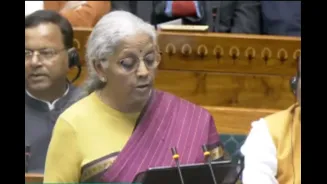
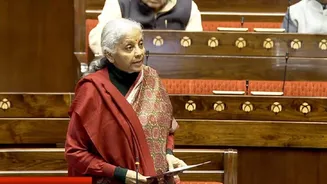
The Economic Survey 2025-26 likely discussed the role and potential of the orange economy, thereby informing the budget. Specific promises made in Budget 2026 could include allocations for digital infrastructure, to improve connectivity and access to technology for content creators. Financial support for small and medium-sized enterprises (SMEs) in the creative sector is a possible facet. Initiatives promoting the export of Indian cultural products, such as films, music, and art, could be another part. Investment in educational and training programs focused on creative skills is also likely. These actions aim to boost the orange economy, thereby fostering economic growth, innovation, and job opportunities within the creative and cultural sectors.
Modi's Perspective at WAVES
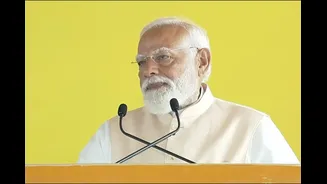
PM Modi's mention of the orange economy at the WAVES 2025 Summit underscored its importance at a high level. His remarks likely addressed the potential of the creative sector to drive economic growth and innovation. He might have emphasized the need for policies that support content creators and cultural businesses. The Prime Minister's speech may have highlighted the significance of protecting intellectual property rights. It is also likely that the importance of promoting Indian culture and heritage on a global stage was a point of focus. By highlighting the orange economy at the summit, the government underscored its commitment to supporting a vibrant and flourishing creative sector.