
Economic Growth Assessment
India's recent economic growth has prompted an evaluation of its sustainability. There's a need to consider various factors to determine if the growth is
built on a solid foundation. Key indicators are being analyzed to understand the ongoing trends. The objective is to provide a balanced analysis and assess the durability of the progress made. The sustainability of this economic expansion is dependent on more than just the current numbers. It's about looking at underlying strengths, potential risks, and the strategies in place for sustained performance. Various economic aspects need to be studied to understand whether the growth can be sustained in the long term.
Growth Indicators Examination
The analysis of India's economic growth involves detailed examination of several critical indicators. These typically include GDP growth rate, industrial production, and inflation levels. Each offers insights into the economy's health, and together they create a comprehensive view. GDP growth indicates the overall expansion of the economy, showing how quickly it is growing. Industrial production data highlight the performance of key sectors. Inflation rates are crucial as they impact purchasing power and overall economic stability. Furthermore, external factors, such as global trade and commodity prices, are also being taken into consideration. Understanding the interactions of all these elements allows a holistic understanding of how sustainable the recent economic advancements may be.
Sustainability Challenges Analysis
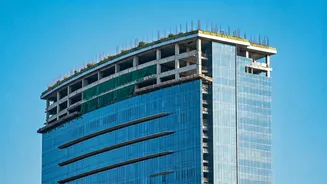
Examining the sustainability of India's economic progress requires consideration of possible obstacles. Factors that may impact the future include infrastructure development, skill gaps in the workforce, and policies implemented by the government. Infrastructure limitations, such as inadequate transportation networks, can slow down economic activities. A mismatch between skills and job requirements could affect the ability of the labor force. Government policies also play a huge role, impacting investment and economic competitiveness. Addressing these challenges is vital for sustained development. By identifying and responding to these vulnerabilities, India can create a more resilient and sustainable economy. The focus on overcoming these challenges will be crucial for maintaining the upward trajectory.
Looking Ahead: Strategy
For sustainable growth, India must formulate and implement strategies that address challenges. Prioritizing infrastructure development is crucial. This will help connect markets and boost productivity. Investment in education and skill enhancement programs is also important to bridge the workforce gap and empower the young population. Fostering a stable regulatory environment and ensuring ease of doing business will encourage investment. Furthermore, promoting innovation and technology adoption can boost productivity. The government's strategies should consider both short-term targets and long-term sustainable growth. These plans should also encompass environmental protection and social inclusion. A long-term vision is critical to ensure that India's economic ascent continues and benefits all citizens.



![[WATCH] 'Real Madrid, Ramadan and rest' - Mohammed Siraj how last-minute World Cup call-up changed February plan](https://g-mob.glance-cdn.com/public/fc/image/ByYT_LEmlrD0.webp)