






Forging New Alliances
The European Union's foreign policy chief highlighted the necessity of establishing connections with nations that support free trade. This statement underscores
the critical need for countries to collaborate and build alliances in the current economic climate. The emphasis on free trade suggests a proactive approach to opening markets and boosting economic cooperation. This strategy can lead to more opportunities for businesses and consumers across participating countries. Building such partnerships is viewed as essential for promoting economic growth and stability. These alliances are important in shaping global trade dynamics.
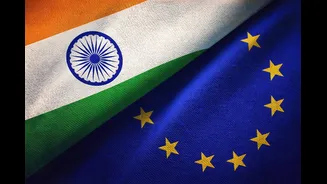
EU and India
India's potential trade deal with the EU is a significant development, viewed by many experts as a pivotal move in global trade relations. It has the potential to reshape established commercial partnerships and establish new trade routes. The agreement's impact will likely be felt in multiple sectors, from manufacturing to services, affecting various aspects of the economy. A deal would likely result in increased trade volumes and economic integration between the two regions. Such a comprehensive trade agreement could provide both regions with new avenues for economic expansion and development, creating growth and enhancing economic ties. It represents a strategic step forward, fostering collaboration and strengthening economic growth.
Global Trade Landscape
The global trade environment is dynamic and influenced by several factors. The India-EU deal must be considered within the larger context of worldwide commerce. The discussions among experts focus on how such a deal can change global trade dynamics. This might entail shifts in import and export patterns, modifications in the balance of trade, and adjustments in the competitive landscapes of various industries. Considering the influence of large economies such as the United States and China on global trade dynamics is critical. The long-term implications of the India-EU agreement could reshape the global economy. All of these factors interact to define the trajectory of international commerce.
Navigating Political Factors
The political arena has a strong influence on international trade agreements. Discussions about the India-EU deal include analyzing how political developments could influence trade. Political stability, international relations, and trade policies of major nations shape the environment for trade pacts. The political perspectives of involved parties can affect the negotiation processes, the terms of the agreements, and the practical implementation of the deals. These political nuances must be carefully considered because they often have a direct effect on the progress and outcomes of trade agreements. Navigating these political complexities is critical to achieving successful trade relations and fostering mutual economic benefits. The success of the agreement may depend on effective diplomacy and strategic alliances.
Trump Factor Analysis
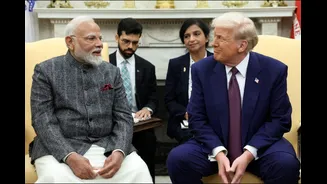
The impact of the Trump factor on global trade has become an integral part of trade agreement analysis. Expert discussions delve into how Trump's trade policies may affect the India-EU deal and global trade overall. This aspect includes examining the possible effects of protectionist measures, tariff policies, and shifts in trade dynamics driven by the United States. Trade relationships can change based on the policies of the US government, adding to the uncertainty and complexity. The involvement of major players such as the US adds layers to the discussions. The impact of the Trump factor on trade relations requires careful evaluation to ensure stability and predict economic outcomes in the face of ongoing global political shifts.
Expert Insights
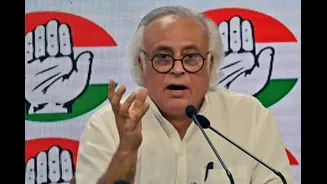
Experts play a critical role in providing insights into trade agreements, offering critical perspectives on the India-EU deal and its broader impact. These analysts provide in-depth analysis of financial effects, including potential impacts on sectors, trade balances, and economic growth. Expert evaluations provide a comprehensive understanding of the situation, allowing for nuanced analysis and informing policy formulation. They provide insights into economic, geopolitical, and strategic aspects of trade deals, assessing potential benefits, challenges, and long-term implications. Their collective insights create a richer perspective. The expertise of economists, trade specialists, and political analysts provides valuable guidance. These experts shape the public discussion and provide a basis for informed decision-making.