

The Onion Blunder
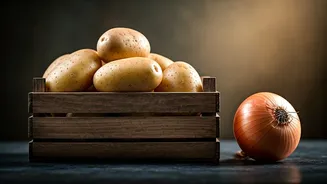
A common culinary oversight involves placing potatoes alongside onions in storage, a practice that invariably leads to premature spoilage. This duo is a recipe
for rot because onions release ethylene gas, a natural plant hormone that accelerates the ripening and eventual decay of nearby produce. When potatoes are exposed to this gas, their starches convert to sugars more rapidly, altering their texture and flavor, and significantly shortening their storage life. Furthermore, the moisture released by onions can create an environment conducive to mold and bacterial growth, further hastening the deterioration of both vegetables. It's a simple yet potent interaction that every home cook should be aware of to prevent waste and maintain the quality of these kitchen staples. Understanding this fundamental incompatibility is the first step towards preserving your potatoes.
Ideal Storage Conditions
To ensure your potatoes remain fresh and usable for an extended period, it's crucial to provide them with the correct environmental conditions. The absolute worst places for potato storage are warm environments and areas exposed to direct sunlight. These conditions can drastically speed up the sprouting and rotting process. Instead, opt for a cool, dark, and well-ventilated spot. Think of a pantry, a cellar, or even a designated cool corner of your kitchen that isn't near heat sources. Storing them directly on the floor, especially in a cooler part of your home, can also help regulate their temperature. The aim is to minimize exposure to heat and light, which are potato's primary enemies when it comes to longevity, ensuring they stay firm and flavorful.
Preservation Techniques
Extending the life of your potatoes can be achieved through several effective storage methods, allowing them to last for up to three to four months. One proven technique involves layering the potatoes in a bed of dry soil or sand. This not only provides a cool, dark environment but also helps to absorb any excess moisture. Covering the potatoes, whether with soil, sand, or even natural materials like rice straw, further shields them from light and atmospheric humidity, both of which contribute to spoilage. During humid periods, such as the monsoon season, it's advisable to protect your stored potatoes from moisture by using polythene sheets as an additional barrier, ensuring a dry microclimate. Regularly inspecting your stored potatoes is also paramount; removing any that show signs of spoilage immediately prevents a single bad potato from compromising the entire batch.
Ventilation and Beyond
Beyond the initial storage location and medium, maintaining proper air circulation and managing moisture are key to keeping potatoes fresh. Avoid storing them in airtight containers or plastic bags, as these trap humidity, which is detrimental to their shelf life. Instead, opt for well-ventilated baskets, crates, or even paper bags. This allows air to circulate freely around the potatoes, preventing the build-up of moisture and reducing the risk of fungal infections and rot. While refrigeration is sometimes considered, it's generally best reserved for short periods, as extremely cold temperatures can negatively affect the potato's texture and flavor by converting starches to sugars. The emphasis should always be on a cool, dark, and breathable storage solution.