







Green Flame Ignition
India has taken a significant stride in its commitment to renewable energy by introducing its first domestically developed hydrogen cooking stove. This
pioneering appliance, priced at ₹1,50,000, operates entirely on green hydrogen, a fuel generated from water through electrolysis. This 'Made-in-India' innovation presents a compelling, zero-emission alternative to the conventional liquefied petroleum gas (LPG) cylinders that have long dominated Indian kitchens, both in homes and commercial establishments. The introduction of this stove marks a pivotal moment, potentially signalling a transition away from fossil fuels for cooking purposes and aligning with India's broader goals for energy independence and environmental stewardship. It embodies a forward-thinking approach to sustainable living and technological advancement within the nation's energy sector.
Revolutionary Burner Tech
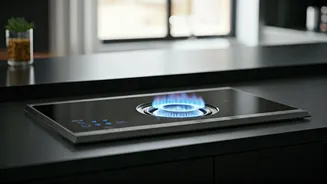
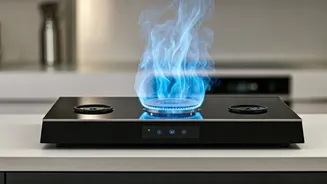
The core of this new cooking technology lies in its departure from traditional LPG stoves. Instead of burning fossil fuels, the hydrogen stove employs a catalytic burner that combusts 100% green hydrogen. This design retains the familiar plug-and-play functionality but fundamentally alters the energy source. The burner itself is engineered for high heat output, featuring a durable stainless steel construction for the tabletop unit. It incorporates a double burner system designed to ensure efficient heat distribution across cookware. While it visually resembles a standard gas stove with its control knobs, the internal mechanisms and the energy consumption model are entirely redefined, offering a glimpse into a cleaner, more sustainable cooking future. This advanced system promises consistent and efficient cooking performance powered by an eco-friendly fuel.
Zero Emission Cooking
A defining characteristic of this hydrogen cooking stove is its remarkable environmental performance. When hydrogen is combusted using the catalytic burner, the process yields virtually no harmful emissions. Specifically, there are zero emissions of carbon dioxide (CO₂), zero emissions of carbon monoxide (CO), and no visible smoke, unlike traditional cooking methods. This ensures a cleaner indoor air quality and significantly reduces the environmental footprint associated with cooking. The adjustable gas flow, regulated for consistent delivery, further enhances efficiency and minimises fuel wastage. This commitment to zero ground emissions positions hydrogen as a highly promising fuel for a healthier and more sustainable future, especially in densely populated urban environments.
Silent & Stable Operation
Engineered with indoor use in mind, this hydrogen stove prioritizes a user-friendly and comfortable experience. It operates with remarkably low noise levels and minimal vibration, a stark contrast to the mechanical sounds often associated with industrial fuel applications. This quiet and smooth operation makes it ideal for residential settings, contributing to a more peaceful home environment. The design focuses on stability and safety, ensuring that the appliance can be used reliably without disrupting daily life. This attention to user comfort and operational silence underscores the stove's suitability for widespread adoption, even in sensitive environments where noise pollution can be a concern.
Beyond Home Cooking
While the initial focus is on household kitchens, the potential applications for hydrogen cooking technology extend far beyond residential use, targeting larger sectors for clean energy pilot projects. Community kitchens and canteens, which require high-volume cooking, can benefit immensely from this carbon-emission-free solution. In defense and remote locations, where access to conventional fuels like LPG might be limited or unreliable, hydrogen offers fuel sovereignty and a dependable energy source. Furthermore, research institutions are exploring hydrogen as a standard energy source, utilizing such appliances for testing and development. The scalability of this technology suggests that its impact could be widespread, contributing to cleaner energy solutions across various critical domains.
Advanced Safety Features
Acknowledging the inherent properties of hydrogen, manufacturers have integrated a robust multi-tier safety architecture into this cooking appliance. Key safety components include flame arrestors, designed to mitigate the risk of backfire and maintain flame stability during operation. Automated pressure control systems are incorporated to ensure a consistent and safe fuel delivery rate. Additionally, the stove is equipped with hydrogen-compatible valve components, meticulously engineered to minimise the possibility of leaks. This comprehensive safety system is crucial for building user confidence and ensuring the secure integration of hydrogen as a household energy source, addressing potential concerns about volatility.
Cost and Future Prospects
Currently, the price point of ₹1,50,000 positions this advanced hydrogen cooking stove as a premium product, primarily targeted towards organisations and government pilot programs rather than individual households. While this initial cost might present a barrier to widespread domestic adoption in the short term, it represents an investment in a sustainable future. The advent of such technology is a monumental achievement for India's National Green Hydrogen Mission. The long-term success and eventual widespread use of this innovative stove will hinge on the continued development of hydrogen infrastructure and the demonstration of its economic and environmental sustainability over time, potentially paving the way for broader accessibility.