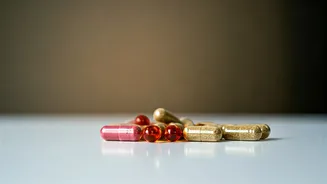

Understanding Hormonal Balance
Hormonal balance is critical for women's overall well-being, affecting everything from mood and energy levels to reproductive health and bone density.
Hormones are chemical messengers produced by the endocrine system, and they regulate a wide range of bodily functions. Imbalances can manifest as irregular periods, mood swings, weight gain, and skin issues. Several factors can disrupt hormonal balance, including stress, poor diet, lack of exercise, and underlying medical conditions. Maintaining a healthy lifestyle, including a balanced diet, regular exercise, and stress management, is essential. However, in some cases, supplementation can be beneficial. It is essential to consult with a healthcare provider before starting any new supplement regimen to determine the appropriate dosage and potential interactions with other medications. The information in this article serves as a general guide and should not replace professional medical advice.
Vitamin D: The Sunshine Vitamin
Vitamin D, often called the 'sunshine vitamin,' plays a vital role in hormone regulation. It is involved in the synthesis of hormones like estrogen and progesterone. Studies have shown a link between vitamin D deficiency and hormonal imbalances, including conditions such as polycystic ovary syndrome (PCOS). Vitamin D helps regulate the menstrual cycle, improves mood, and supports bone health. It is mainly produced in the skin when exposed to sunlight. Dietary sources, such as fatty fish, egg yolks, and fortified foods, provide small amounts. Supplementation is often necessary to achieve optimal levels, especially for those with limited sun exposure or specific health conditions. Gynaecologists commonly recommend Vitamin D supplements to address deficiencies. Dosage varies depending on individual needs. Healthcare providers can determine the appropriate dosage through blood tests. Proper intake can significantly contribute to improved hormonal health and overall well-being.
Magnesium for Well-being
Magnesium is a mineral that participates in numerous bodily functions, including hormone regulation. It's involved in the production of progesterone, a critical hormone for women's health. Magnesium can help reduce PMS symptoms such as bloating, breast tenderness, and mood swings. It also supports stress management by regulating the adrenal glands, which produce stress hormones like cortisol. Magnesium deficiency is common and can exacerbate hormonal imbalances. Dietary sources of magnesium include leafy greens, nuts, seeds, and whole grains. However, absorption from food may be limited, making supplementation a viable option. Gynaecologists often recommend magnesium to address deficiencies and improve hormonal health. Different forms of magnesium exist, and healthcare providers can determine the most suitable type and dosage. Supplementing with magnesium can have a beneficial impact on both physical and mental well-being by supporting hormonal balance and mitigating associated symptoms.
Omega-3 Fatty Acids
Omega-3 fatty acids, particularly EPA and DHA, are renowned for their anti-inflammatory properties and their role in hormonal balance. They are essential fats that the body cannot produce on its own and are crucial for the production of hormones. Omega-3s can reduce inflammation throughout the body, helping to alleviate symptoms of conditions like endometriosis and PCOS. They support healthy brain function, which can improve mood and reduce symptoms of depression and anxiety, which are often associated with hormonal imbalances. Excellent sources of omega-3s include fatty fish such as salmon and mackerel, flaxseeds, and chia seeds. Supplementing with omega-3 fatty acids can be especially beneficial if dietary intake is insufficient. Healthcare providers may recommend omega-3 supplements to support hormonal health and overall wellness, especially to patients struggling with inflammation or mood disorders.
Probiotics: Gut Health Allies
The gut microbiome, the community of bacteria living in the digestive system, is increasingly recognized as influencing overall health, including hormone regulation. Probiotics, which are beneficial bacteria, can support a healthy gut microbiome and thereby impact hormone balance. They help in nutrient absorption and can reduce inflammation, which can affect hormone levels. Probiotics can also affect the production of estrogen and other hormones. Maintaining a healthy gut can help alleviate symptoms of hormonal imbalances, such as bloating and digestive issues. Probiotic-rich foods include yogurt, kefir, and fermented vegetables. Supplementation with probiotics can be beneficial for those with gut dysbiosis or hormonal imbalances. Consulting a healthcare provider is important to choose the right probiotic strain and dosage for individual needs. Maintaining a healthy gut environment can support hormone balance and overall well-being.
B Vitamins for Energy
B vitamins are a group of essential nutrients involved in various bodily functions, including energy production and hormone synthesis. They are critical for the metabolism of hormones and can help regulate mood and reduce stress. B vitamins, especially B6 and B12, are involved in producing key hormones and neurotransmitters. They can also support adrenal function, which is particularly important for stress management and the regulation of cortisol. A deficiency in B vitamins can contribute to fatigue, mood swings, and other symptoms of hormonal imbalances. Dietary sources of B vitamins include meat, poultry, fish, eggs, and fortified foods. Supplementation is often recommended for those with deficiencies or increased needs. B vitamin supplements can improve energy levels and mood. Consulting a healthcare provider can help determine the appropriate dosage and combination of B vitamins for individual needs, promoting hormonal balance and overall vitality.
Iron for Vitality
Iron is an essential mineral that is crucial for the production of red blood cells, which carry oxygen throughout the body. Iron deficiency, or anemia, is common among women and can affect hormonal balance. Anemia can lead to fatigue, weakness, and irregular menstrual cycles. Iron plays a role in the synthesis of hormones and supports thyroid function. The thyroid hormones are key in regulating metabolism and energy levels. Dietary sources of iron include red meat, poultry, beans, and leafy green vegetables. Iron absorption can be enhanced when consumed with Vitamin C. Supplementation with iron can be beneficial for those with deficiencies or heavy menstrual bleeding. Consulting a healthcare provider can help determine whether an iron supplement is needed and the appropriate dosage. Maintaining adequate iron levels can support hormonal balance, improve energy levels, and enhance overall well-being, especially for women of childbearing age.