








Boosting Air Connectivity
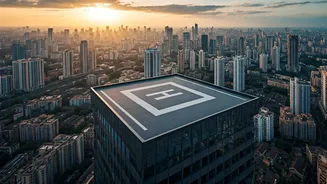
The Mumbai Metropolitan Region Development Authority (MMRDA) is spearheading a transformative project to introduce four new helipads across the Mumbai Metropolitan Region (MMR)
within the next six years. This ambitious initiative is designed to dramatically improve air connectivity, making travel swifter and more efficient. Beyond daily commutes, these helipads are critically important for rapid emergency response, enhancing the city's capacity to manage disasters and provide critical medical aid through air ambulances. The MMRDA envisions these additions as a cornerstone of world-class infrastructure development, ultimately aiming to elevate the quality of life for all Mumbai residents by creating a more robust and responsive urban environment. This move signifies a proactive approach to future-proofing the city's transit systems and ensuring resilience in times of crisis.
Strategic Locations Planned
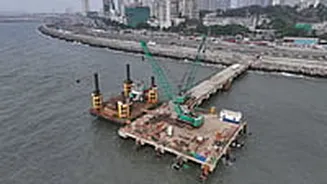
The deployment of these new helipads will be strategically positioned to serve key areas within the MMR, ensuring optimal coverage and accessibility. Specifically, the Brihanmumbai Municipal Corporation (BMC) is developing two helipads. One will be situated in Charkop, adjacent to the northbound segment of the Mumbai Coastal Road Project, a major infrastructure artery. The BMC had previously initiated plans for another helipad near the southbound stretch of the coastal road in Worli, with the tender for this site already awarded to the Raymond group, repurposing an old jetty. Complementing these, the MMRDA is constructing two helipads in the bustling Bandra Kurla Complex (BKC), Mumbai's prime business district. This dual-agency approach ensures a comprehensive network that integrates seamlessly with ongoing and future transport developments, prioritizing swift access to emergency services.
Focus on Emergency Services
While helipads are common features in global financial centers, Mumbai's new facilities will primarily focus on providing essential emergency services. The core objective is to facilitate rapid air ambulance operations and offer crucial evacuation options during unforeseen adversities. A civic official highlighted that these helipads are being developed in tandem with high-speed corridors like the Coastal Road and the Goregaon Mulund Link Road (GMLR), aiming to create a truly multi-modal transit system. By situating helipads near these corridors, particularly the coastal road, the aim is to ensure uninterrupted transit, allowing passengers to quickly transition to ground transport after landing. These facilities will be built and managed under a public-private partnership model, with private contractors investing in their construction and maintenance, and revenues being shared between the authorities and the investors.
A Look at Past Efforts
Mumbai has had previous attempts and existing facilities concerning helipads, with varying degrees of success. A proposal in 2014 to upgrade a heliport at the Mahalaxmi Racecourse for public use faced opposition and did not materialize. Subsequently, the BMC permitted construction of helipads on residential and commercial buildings exceeding 200 meters in height, but many of these have remained unused. Currently, an operational helipad exists at Raj Bhavan, but it's restricted to VIP use. Similarly, helipads atop two private hotels serve VIPs exclusively. An official noted that the restricted airspace around older sites due to numerous skyscrapers, like the Mahalaxmi Racecourse, rendered them ineffective. The new helipads along the coastal road are designed to avoid such issues, with their seaside location minimizing the risk of obstruction from future construction and allowing unrestricted flight paths from the sea inland.