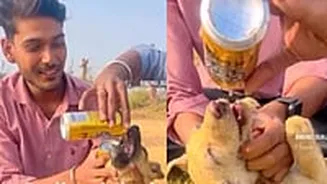







The Grim Discovery
The distressing news broke from Nagarkurnool, a district in Telangana, where a mass mortality event affecting stray dogs occurred. Approximately 100 dogs were
discovered dead, triggering immediate distress among animal rights activists and local residents. The exact cause of the dogs' deaths remains under investigation, prompting an immediate need for inquiry to ascertain the factors behind this widespread loss. This incident highlighted significant vulnerabilities within existing animal welfare policies and prompted scrutiny regarding their efficacy.
Initial Reactions and Outcry
The public's response to the incident was swift and marked by outrage. Social media platforms quickly filled with expressions of sorrow and demands for justice. Animal rights organizations immediately condemned the event, calling for a thorough investigation to identify those responsible. The lack of clarity surrounding the circumstances of the dogs’ deaths amplified the public's anger and fuelled the demand for transparency and accountability from the authorities. Several organizations also pledged to provide support for any surviving strays.
Investigation Underway
Following the discovery, local authorities initiated an investigation to determine the cause of the dogs’ deaths. Veterinary teams were dispatched to the site to collect samples and conduct post-mortem examinations. The aim was to determine whether the deaths were the result of poisoning, disease, or some other factor. Investigators are also examining the possibility of intentional cruelty. The investigation will be critical to understanding the underlying circumstances and ensuring that those responsible are held accountable. The findings will be made public and will likely determine what actions are to be taken.
Welfare and Protection
This tragic incident emphasizes the need for a stronger framework for animal welfare within the state of Telangana. Animal protection organizations have consistently advocated for improved measures, including increased funding for animal shelters, stricter enforcement of existing laws, and the implementation of comprehensive vaccination and sterilization programs for stray animals. Additionally, the event is expected to ignite discussions regarding public education and sensitization campaigns to foster a culture of compassion and responsible pet ownership across the region. The aim is to prevent similar tragedies from occurring in the future.
Looking Ahead: Solutions
To address the underlying issues highlighted by this tragic event, several key solutions are being considered. These include improving the infrastructure of animal shelters, introducing mobile veterinary clinics, and enhancing community outreach programs focused on animal care. Furthermore, proposals for strengthening the legal framework surrounding animal welfare, alongside stricter penalties for those found guilty of animal cruelty, are gaining momentum. Collaboration between government bodies, animal rights organizations, and local communities will be crucial in implementing and sustaining these long-term strategies, creating a safer and more compassionate environment for stray animals.