








Export Ban Ends
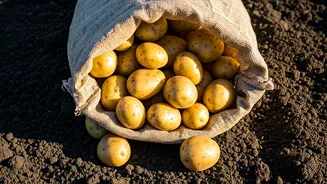
In a significant policy reversal, West Bengal's new administration has rescinded the long-standing ban on the inter-state export of potatoes. This decision,
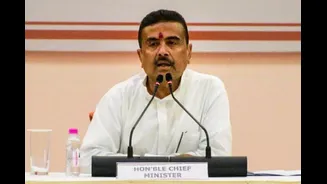
announced by Chief Minister Suvendu Adhikari, comes as a breath of fresh air for potato farmers and traders who have been severely impacted by the restrictions. The immediate effect of this change is the unhindered movement of not only potatoes but also a wide array of other essential commodities, including onions, food grains, oilseeds, fruits, vegetables, and animal products, across all state borders. This comprehensive relaxation aims to dismantle previous barriers and facilitate smoother trade, addressing a critical demand from the agricultural community that felt stifled by the previous government's policies. The declaration signifies a proactive step towards revitalizing the agricultural sector and restoring market access for producers.
Farmer Distress Addressed
The previous export restrictions imposed by the former government led to immense hardship and financial ruin for many farmers in West Bengal. Subhajit Saha, president of the West Bengal Cold Storage Association, highlighted the dire consequences, stating that a specific order in 2024 caused severe losses, tragically driving some farmers to suicide. Apprehension over storage led cold storage owners to avoid stocking potatoes in 2025 and 2026, resulting in vast quantities of the harvest perishing in the fields. Currently, the state is estimated to hold about one million metric tonnes of potatoes that need to be exported. The current government's decision to lift the ban is a direct response to this crisis, aiming to prevent further economic devastation for those who invested heavily in cultivating this staple crop. The election results in agro-based districts, where the BJP secured 21 out of 25 seats, are seen by many experts as a reflection of the farming community's dissatisfaction with the previous administration's handling of agricultural trade policies and their impact on livelihoods.
Zero Tolerance Policy
Beyond agricultural trade, the new government has declared a firm stance against corruption, with Chief Minister Adhikari emphasizing a policy of "zero tolerance." He stated that institutional corruption would be met with swift action, promising visible changes within days and decisions to be made during the upcoming Cabinet meeting. This commitment signals a broader agenda to cleanse administrative practices and foster transparency. The Chief Minister also assured reporters that no individual would be permitted to obstruct the movement of agricultural or livestock products at any interstate border, nor would farmers be harassed. This directive aims to ensure that the liberalization of trade is not undermined by bureaucratic hurdles or malpractice, creating a more conducive environment for economic activity. A crucial meeting has been scheduled in Kolkata to formulate a detailed plan for managing the current potato stock and ensuring its successful distribution and export.