



Sweet Sesame Delights
Til ladoo, a quintessential Makar Sankranti sweet, tops the list. These sesame seed balls, often mixed with jaggery, are not only delicious but also symbolize
good luck and prosperity. The sesame seeds represent the warmth of the sun and are believed to bring health and well-being. Another sweet, the Gajak, made from sesame seeds and jaggery, offers a satisfying crunch. Its preparation, often a family affair, embodies the spirit of togetherness that Makar Sankranti is all about. These treats are simple to make at home and are a delightful way to greet the festival's arrival.
The Comfort of Khichdi
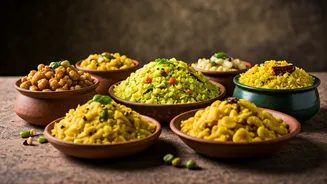
Moong Dal Khichdi, a comforting mix of rice and lentils, is a staple during Makar Sankranti. It is easy to digest and is often the first meal offered to the sun god. This dish, often flavored with spices like turmeric, ginger, and cumin, is a symbol of warmth and nourishment. Different regions have their own variations, adding vegetables or tempering with specific spices, but the core remains the same – a wholesome and filling meal. Making it at home is straightforward, and it allows for customization based on personal preferences.
Undhiyu: A Gujarati Favorite
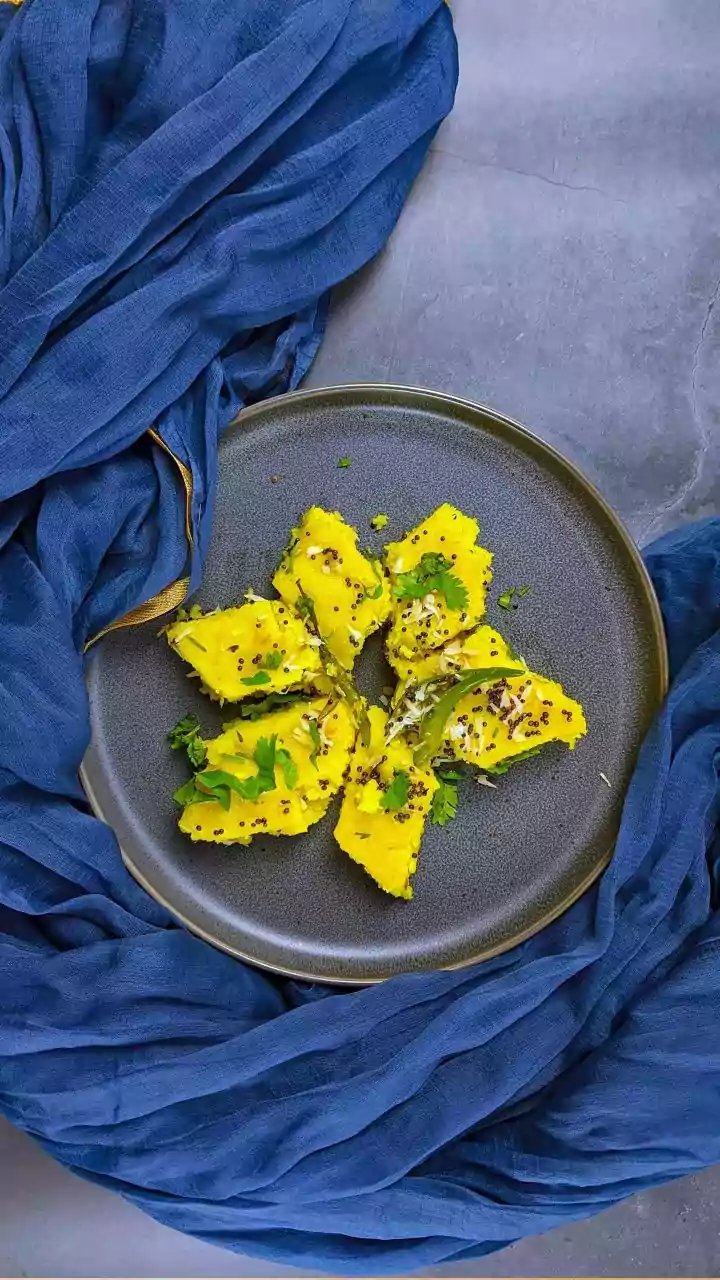
Undhiyu, a mixed vegetable dish slow-cooked in earthen pots, is a special treat. The vegetables are cooked underground, imbuing them with a unique smoky flavor. Undhiyu typically includes a variety of seasonal vegetables like eggplant, potatoes, beans, and green peas, all seasoned with a blend of spices. This dish, traditionally prepared during winter, provides warmth and is a celebration of seasonal produce. The preparation takes time and patience, but the result is a flavorful, aromatic, and deeply satisfying dish that is perfect for celebrating Makar Sankranti.
The Bounty of Puran Poli
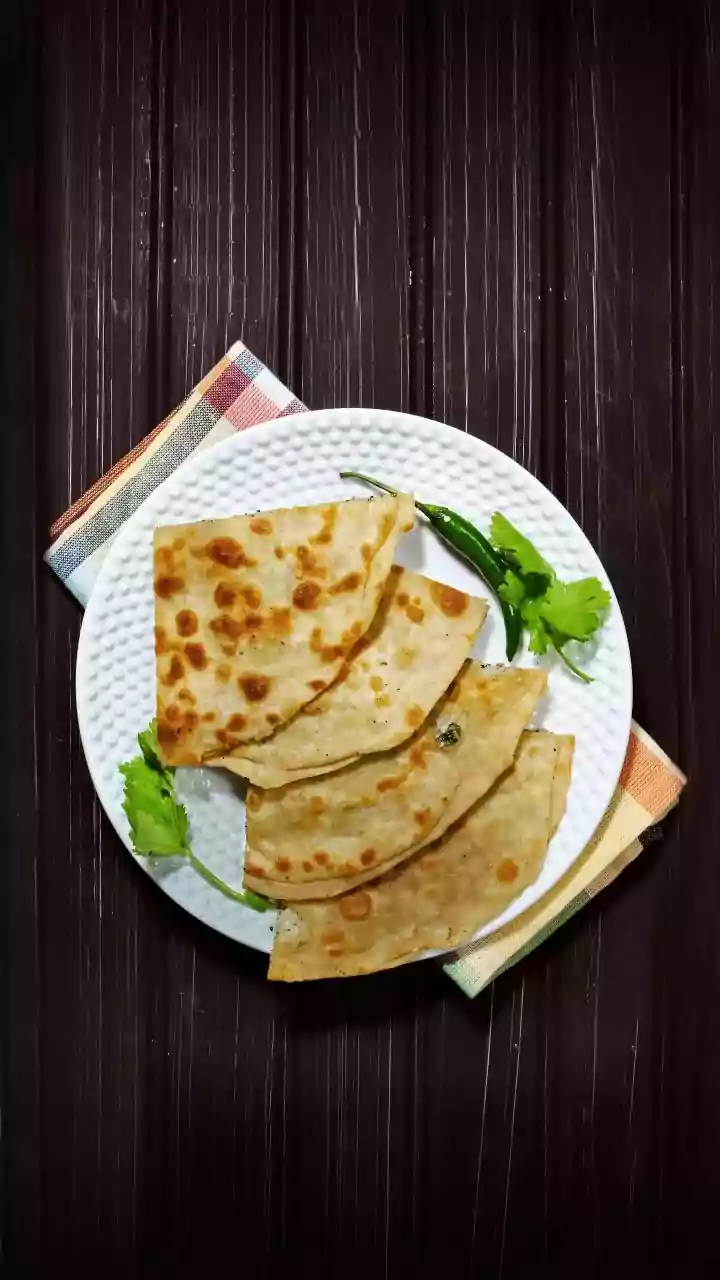
Puran Poli is a sweet flatbread stuffed with a sweet lentil filling, making it a beloved dish across Maharashtra and other regions. The filling, made from chana dal, jaggery, and spices like cardamom and nutmeg, is a rich and flavorful mix. Puran Poli is often served with ghee, enhancing its taste and richness. It is a symbol of prosperity and is considered an auspicious food, frequently made during festive occasions. Preparing it at home can be time-consuming, but the reward is a warm, sweet flatbread that brings joy.
Sweetness of Payasam
Payasam, a creamy dessert made with milk, rice, and sugar, is a traditional Indian sweet, perfect for Makar Sankranti. Many varieties exist, with ingredients varying based on the region. Some popular versions include rice payasam, vermicelli payasam, and payasam with lentils, each flavored with spices like cardamom and nuts like cashews and almonds. The sweetness and creamy texture provide a comforting finish to the festive meal. Making this dessert at home allows for the creation of variations tailored to family tastes, making the celebration even more personal.
The Joy of Chikki
Chikki, a popular brittle made from jaggery and peanuts or other nuts, is a crunchy and sweet snack perfect for Makar Sankranti. It is easy to prepare and provides energy, making it an ideal snack during the winter season. The combination of jaggery's warmth and the crunch of nuts creates a delightful texture and taste. Chikki is readily available but also easy to make at home, allowing for customization with different nuts, seeds, and flavors. Eating chikki is a common part of the celebration, often accompanied by sharing stories and enjoying the festive atmosphere.
Gujarati Undhiyu Variations
While the traditional Undhiyu is a must-have, numerous variations have emerged across Gujarat, adding unique twists to this classic dish. Some families experiment with different vegetable combinations, spices, and cooking methods, creating personalized versions that showcase regional flavors. Some add yogurt or specific masalas, while others prefer to keep the recipe simple and traditional. These variations emphasize the diversity of Gujarati cuisine, inviting a more experimental approach to the celebration. These recipes are perfect for those who want to try something different on Makar Sankranti 2026.
Pongal from South
Pongal, a sweet rice dish, is a festive staple from South India. Made from rice, lentils, and jaggery, it is cooked in a pot until it overflows, symbolizing abundance and prosperity. Pongal, often flavored with cardamom, cashews, and raisins, is a symbol of gratitude to the sun god. Several varieties of Pongal exist, including sweet and savory options. Its preparation is considered auspicious, and it plays a vital role in the celebration. This festive dish adds a distinctive flair to Makar Sankranti celebrations.
The Taste of Ladoo
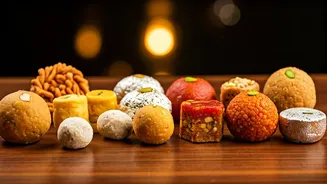
Ladoo, spherical sweets made from flour, ghee, and sugar or jaggery, are another essential element. Boondi ladoo, besan ladoo, and motichoor ladoo are a few of the many kinds enjoyed. These sweets offer a delightful blend of textures and flavors, and their preparation reflects the festive spirit. Ladoos are usually offered as prasad during religious ceremonies and are a symbol of blessings and goodwill. Making ladoos at home requires attention to detail but offers the satisfaction of homemade goodness, a perfect sweet to share with family and friends during Makar Sankranti.
Sankranti Drinks and Snacks
Beyond the main dishes, Makar Sankranti offers a wide selection of snacks and beverages to complement the festivities. In many regions, the day begins with a special drink, often flavored with spices and nuts. Savory snacks such as chivda and various namkeens are also popular. Families frequently prepare or purchase a range of treats to share with guests. The inclusion of snacks and drinks provides a variety of flavors and adds to the festive vibe, making Makar Sankranti a complete culinary experience in 2026.