




Embrace Wabi-Sabi
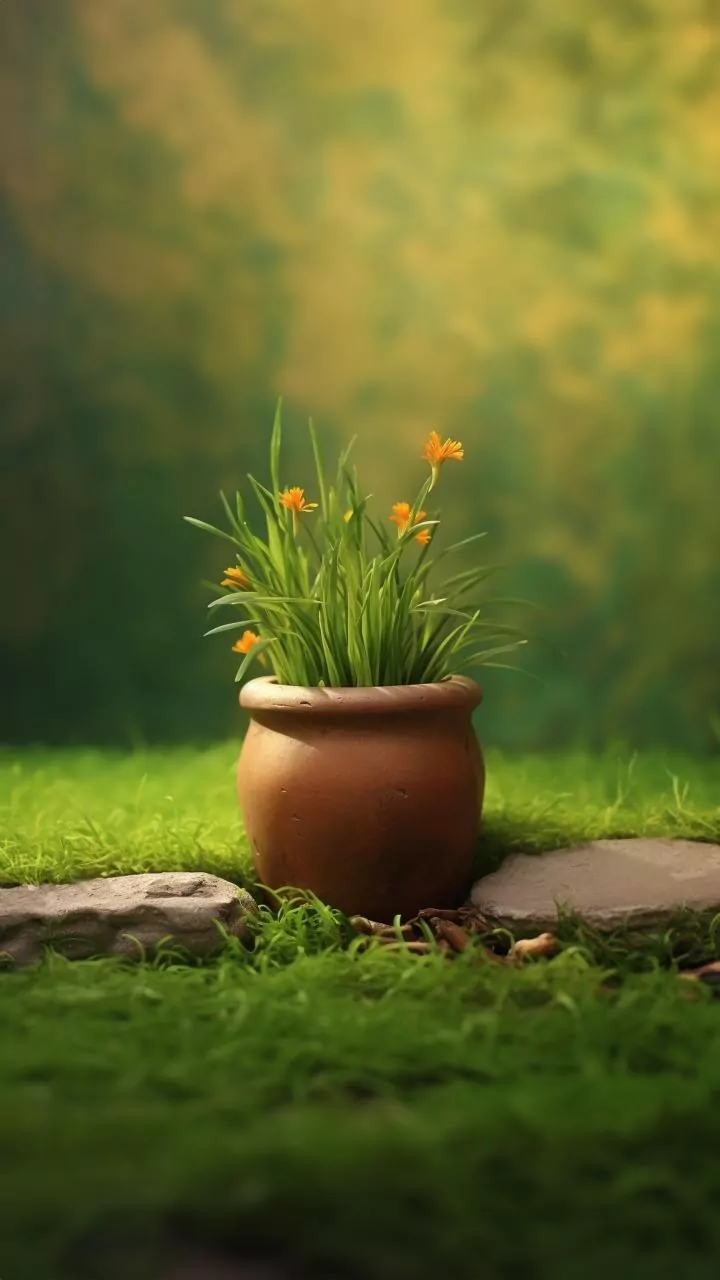
Wabi-sabi is the art of finding beauty in imperfection and impermanence. This philosophy encourages accepting flaws and the natural cycles of life. It
celebrates the unique qualities of things, appreciating the wear and tear that comes with time. To apply wabi-sabi, focus on the present moment, acknowledging that nothing lasts forever. You can embrace this by appreciating handmade items, seeing beauty in the aging process, and finding joy in the simple, imperfect aspects of life. Letting go of the need for perfection creates space for contentment and a deeper appreciation for the beauty of everyday existence. Recognizing the value in things that are unfinished, humble, and unconventional enables a shift in perspective, promoting a more positive outlook on life and minimizing the stress of striving for an unattainable ideal.
Practice Ikigai Daily
Ikigai, or 'a reason for being,' is about finding joy and purpose in life. It's the intersection of what you love, what you're good at, what the world needs, and what you can be paid for. Discovering your ikigai involves self-reflection and exploration, identifying your passions and aligning them with your skills and the world's needs. Incorporate ikigai by setting clear goals, focusing on the journey, and making each day meaningful. This philosophy encourages active participation in life, pursuing things that bring you joy and satisfaction, and contributing positively to society. Finding your ikigai promotes overall well-being and a sense of fulfillment. Focusing on finding activities that are the blend of passion, profession, vocation, and mission, provides direction and a sense of purpose to one's life. The aim is to create a sense of alignment in all the areas, contributing to a happy and healthy life.
Live Mindfully with Zen
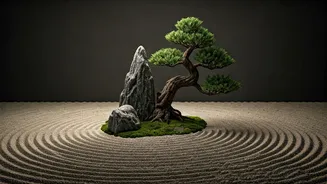
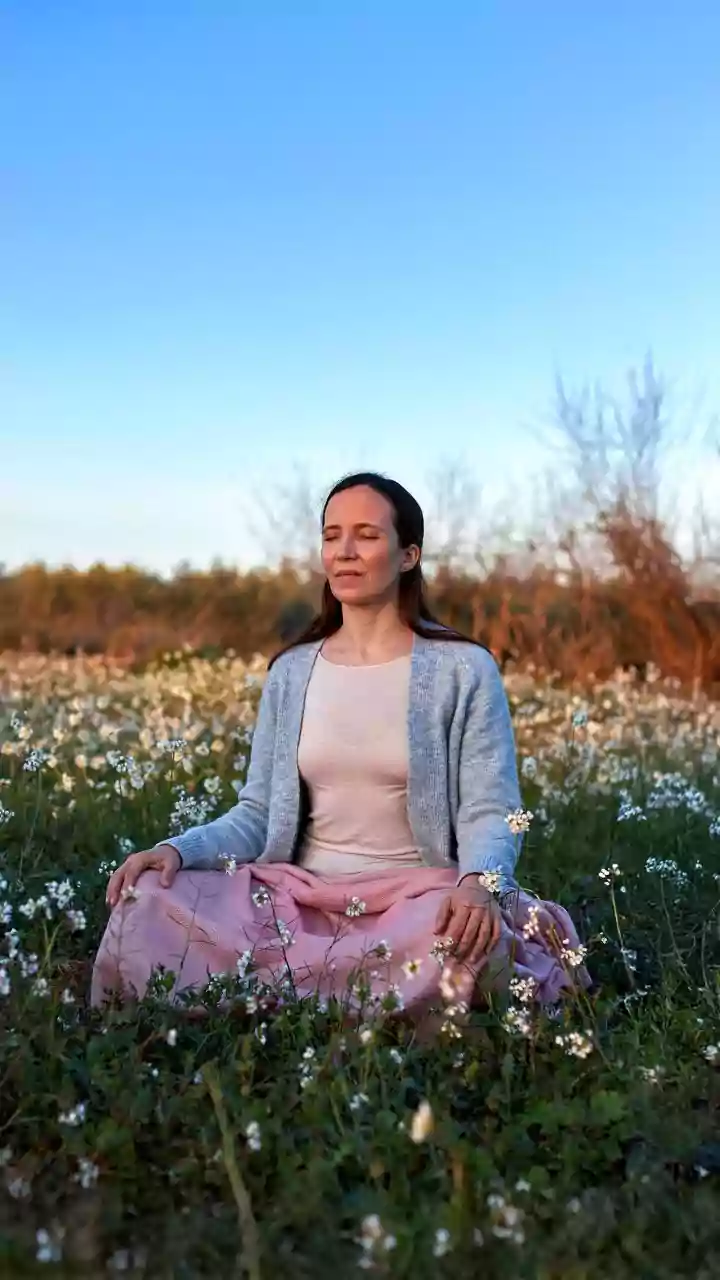
Zen Buddhism emphasizes mindfulness and living in the present moment. It encourages focusing on the here and now, letting go of worries about the future and regrets about the past. To live a Zen-inspired life, practice meditation, pay attention to your senses, and embrace simplicity. Mindfulness can be incorporated into daily activities by being fully present in the tasks you undertake, from washing dishes to walking in nature. It involves observing thoughts and emotions without judgment, cultivating a calm and centered state of mind. Zen practices can reduce stress, enhance focus, and increase awareness, allowing you to experience life more fully. Through mindful living, individuals learn to appreciate the present, leading to greater contentment and a sense of peace. This approach fosters a deeper connection with oneself and the world around you, allowing you to find tranquility amidst chaos.
Embrace Kaizen Spirit
Kaizen is the philosophy of continuous improvement, advocating for small, incremental changes to achieve larger goals. This approach emphasizes consistency and dedication over perfection. You can adopt kaizen by making small, manageable improvements in various aspects of your life. This could include dedicating a few minutes each day to learn a new skill, or simply making your bed every morning. Kaizen fosters a growth mindset, encouraging individuals to see challenges as opportunities for learning and development. By breaking down goals into smaller steps, Kaizen makes progress feel achievable, preventing overwhelm. This philosophy teaches the importance of discipline, patience, and persistence, and it helps you to embrace a mindset that values progress over perfection. The benefits extend beyond immediate goals, instilling valuable habits that lead to personal and professional growth.
Find Balance with Shinrin-Yoku
Shinrin-Yoku, or 'forest bathing,' is the practice of immersing oneself in nature for its therapeutic benefits. It involves spending time in a forest environment, engaging all five senses to connect with nature. To incorporate shinrin-yoku, take regular walks in parks, forests, or any natural environment. Pay attention to the sights, sounds, smells, and textures around you. Forest bathing reduces stress, improves mood, and enhances overall well-being. Studies have shown that spending time in nature lowers cortisol levels, the stress hormone, and boosts the immune system. This practice provides a sense of calm and rejuvenation, allowing you to disconnect from the stresses of daily life and reconnect with nature. Regularly practicing Shinrin-Yoku can bring a sense of peace and improve mental and physical health, fostering a deeper connection with the natural world and appreciating its therapeutic effects.
Cultivate Kokoro Strength
Kokoro represents the heart, mind, and spirit – a holistic approach to well-being. This philosophy emphasizes the importance of emotional intelligence, self-awareness, and mental resilience. To cultivate kokoro, practice mindfulness, self-compassion, and build strong relationships. This includes acknowledging your emotions, treating yourself with kindness, and seeking meaningful connections with others. Cultivating kokoro strengthens your ability to navigate challenges and bounce back from setbacks. It encourages you to embrace your emotions, understanding that they are a natural part of life, and developing coping mechanisms for managing them. This also involves building strong relationships based on empathy and support, which can significantly enhance your mental and emotional resilience. Focusing on kokoro can lead to a greater sense of inner peace, increased emotional resilience, and overall well-being.
Live with Mono No Aware
Mono no Aware is the appreciation of the beauty and transience of life. It’s the gentle sadness that comes from knowing that all things eventually pass. To embrace mono no aware, observe the natural cycles of life, from seasons to relationships, with a sense of wonder and acceptance. This philosophy encourages embracing the present moment fully, while acknowledging the impermanence of all things. It means appreciating the beauty in life's transient moments, such as the bloom of a flower or a cherished memory. It teaches you to cherish experiences and relationships, understanding that they are precious precisely because they are finite. Embracing mono no aware can lead to a deeper appreciation for life, fostering gratitude and a sense of connection to the world around you. By accepting the impermanence of all things, you can find a sense of peace and joy in the present moment.