






An Unexpected Discovery
In the year 2011, Rethnamma and her family in Alappuzha, Kerala, embarked on a quest for drinking water by drilling a borewell. Their efforts, however,
yielded only muddy water even after reaching a depth of over 75 feet, prompting them to decide on sealing the well. As the plumber was concluding the task, a bystander inadvertently lit a match, triggering a sudden burst of flame from the borewell's opening. This startling event caused immediate concern and apprehension among those present, with many viewing it as a potentially hazardous situation that warranted extreme caution and avoidance. The initial reaction was one of fear and uncertainty regarding the nature of the gas being emitted from the well. This unforeseen incident marked the beginning of an extraordinary journey for the family, turning a failed water project into a unique energy solution for their household.
From Hazard to Household Fuel
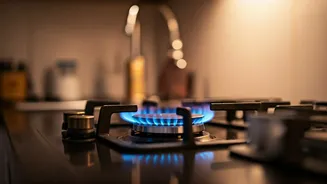
Instead of abandoning the well, Rethnamma, driven by the desire not to waste the investment made, proposed a daring idea: connect the pipe to their kitchen stove. The family proceeded with caution, first testing the gas by making black coffee. To their surprise, there was no discernible difference in smell or taste, and the process seemed entirely normal. Her husband, Rameshan, initially harbored significant fears, worried about the potential for a large-scale accident that could endanger the entire village. To mitigate risks, they kept buckets of water readily available throughout the night. However, as days turned into weeks with no adverse incidents, their apprehension gradually subsided. The plumber revisited, conducted further checks, and confirmed the safety of using the gas. Years later, this family has become accustomed to relying on their backyard borewell's natural gas for all their daily cooking needs.
Financial Gains Realized
This innovative use of their borewell gas has translated into substantial financial savings for Rethnamma's family. Rameshan indicated that they are saving approximately Rs 10,000 annually on their Liquefied Petroleum Gas (LPG) expenses. This consistent saving has made their unusual energy source not only a practical solution but also an economically beneficial one. The family's resourceful approach to an unexpected situation has allowed them to reduce their household expenditure significantly, demonstrating a remarkable ability to adapt and find sustainable alternatives. The financial relief derived from this discovery has undoubtedly improved their quality of life and provided a buffer against the fluctuating costs of conventional cooking fuels.
Expert Validation and Regulations
To ascertain the nature of the gas, teams from the Geological Survey of India (GSI) and the Oil and Natural Gas Corporation (ONGC) conducted an inspection. They confirmed that the gas emanating from the borewell was indeed methane. While they did not identify any large underground gas reserves in the vicinity, traces of similar gases have been noted in nearby borewells, though no other household has adopted such a method for cooking. Crucially, officials have clarified that there are no legal impediments to using naturally occurring gas for household purposes. Dr. V. Ambily, Deputy Director General of GSI Thiruvananthapuram, explained that permissions are mandated only for industrial or commercial extraction of gas. Since this scenario involves naturally emitted gas from a borewell being utilized for domestic cooking, it falls outside these regulatory frameworks, making the family's practice entirely lawful.