






Badami Cave Temples
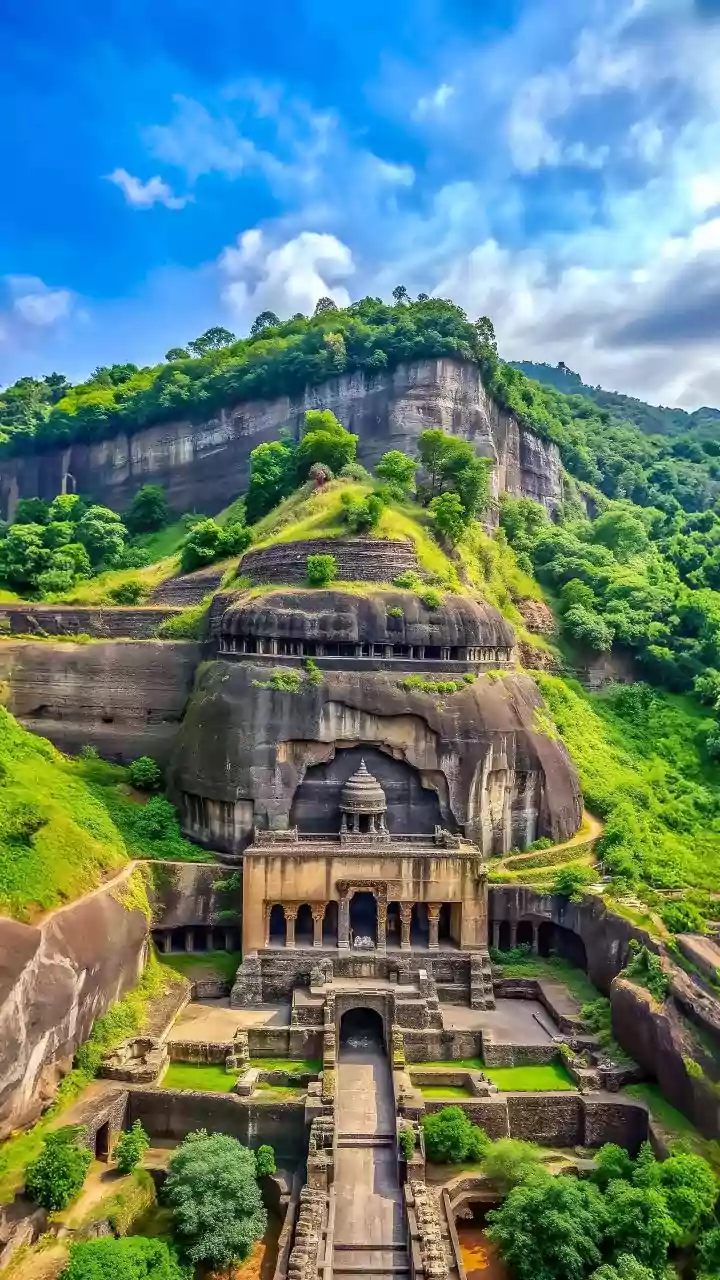
Badami, a historical marvel in Karnataka, is home to the stunning Badami Cave Temples. Carved out of sandstone cliffs, these temples reflect the architectural
prowess of the Chalukya dynasty. The complex comprises four main caves, each dedicated to different deities: Lord Shiva, Lord Vishnu, and Jain Tirthankaras. The intricate carvings, vibrant murals, and detailed sculptures narrate tales from Hindu mythology and Jain philosophy. Accessibility is generally straightforward, but visitors should be prepared for potential heat, especially during the summer months. Exploring Badami offers a chance to immerse oneself in the artistic legacy of ancient India, showcasing the harmonious blend of art and spirituality.
Pandavleni Caves, Nashik
The Pandavleni Caves, also known as the Nasik Caves, are located near Nashik, Maharashtra. These ancient rock-cut caves, dating back to the 3rd century BCE to the 3rd century CE, served as a vital site for Buddhist monks. The caves showcase exquisite carvings, inscriptions in the Brahmi script, and several sculptures. Unlike some other caves, the Pandavleni caves are open to the public, offering a glimpse into early Indian rock-cut architecture. The site’s tranquil setting offers a peaceful and inspiring setting, with a variety of caves including Viharas (monasteries) and Chaityas (prayer halls). These caves provide an invaluable understanding of ancient Indian society, religion, and artistic expression. Ensure you bring comfortable footwear as the location is surrounded by steep slopes.
Ajanta Caves
A UNESCO World Heritage site, the Ajanta Caves in Maharashtra are renowned for their stunning murals and sculptures depicting the Jataka tales of the Buddha. The caves, carved out of basalt cliffs, are a testament to the artistic brilliance of the Vakataka and Satavahana periods, dating from the 2nd century BCE to the 5th century CE. The artwork within the caves vividly portrays the life of Buddha and highlights the artistic skills of ancient Indian painters and sculptors. The Ajanta caves comprise about 30 rock-cut Buddhist cave monuments. Visitors should allow ample time to explore and appreciate the intricate details of the artwork and the historical significance of the site. It is advisable to visit during the cooler months to avoid the heat.
Ellora Caves
Also a UNESCO World Heritage site, the Ellora Caves are a unique complex of rock-cut temples and monasteries representing Hinduism, Buddhism, and Jainism. These caves, located in Maharashtra, were created between the 6th and 10th centuries CE. The Kailasa Temple (Cave 16), a monolithic rock-cut structure, is a true architectural marvel. The Ellora Caves offer an unparalleled view of religious harmony and artistic achievement. The complex of 34 caves reflects the religious diversity and artistic innovation of ancient India. The sculptures and carvings found throughout are impressive and of great historical importance. To make the most of your trip, it's wise to book accommodation nearby to experience the beauty of the location.
Undavalli Caves, Andhra Pradesh
The Undavalli Caves, located in Andhra Pradesh, are an example of Indian rock-cut architecture dating back to the 4th to 5th centuries CE. These multi-storeyed caves were initially associated with Jainism but later were transformed into temples dedicated to Hindu deities. The caves are hewn from a sandstone hill, showcasing detailed carvings and sculptures that represent the artistic skills of the time. The main cave is the largest and most impressive structure, with multiple levels and intricate carvings. The Undavalli Caves are an easy day trip from Vijayawada, making them a worthwhile destination for those interested in Indian history and architecture. Visiting these caves provides an opportunity to appreciate the historical evolution of art and religious practices.