



The Cylinder Exchange
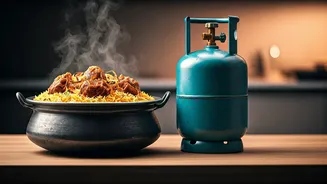
In a remarkable display of ingenuity, a restaurant named Erode Emmys Mess, located in Hosur, has devised an unconventional offer to combat the widespread
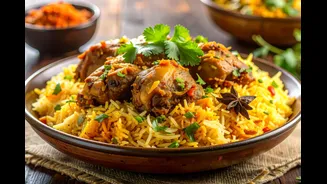
scarcity of commercial LPG cylinders. This bold move, which has rapidly gained traction on social media platforms, presents customers with a compelling proposition: contribute an LPG cylinder and receive a mouthwatering plate of biryani in return. The offer is structured to reward larger contributions; supplying one cylinder grants a daily biryani for an entire month, while pledging two cylinders doubles the daily biryani entitlement. The hotel's prominent signage, emblazoned with the catchy slogan 'Help us cook, we will fill your stomach,' effectively communicates their predicament and the enticing solution they propose, drawing significant attention from both local patrons and the wider online community.
Navigating the Crisis
The persistent unavailability and escalating costs of commercial LPG cylinders, a situation exacerbated by global geopolitical tensions affecting fuel supplies, have plunged numerous establishments in the hotel industry into significant operational difficulties. Facing the dire prospect of being unable to prepare meals, many restaurants are grappling with the financial strain and operational paralysis caused by this gas shortage. Some businesses have resorted to imposing additional charges for gas on customer bills, a practice that has even been observed in conjunction with beverage orders, while others have been compelled to temporarily cease operations, incurring substantial financial losses. Authorities have cautioned that levying separate gas charges might contravene consumer protection regulations, yet hoteliers are desperately seeking any viable strategy to sustain their kitchen operations and continue serving their clientele.
Beyond Profit Motives
For Erode Emmys Mess, this innovative initiative extends beyond mere financial gain; its primary objective is to secure the critical commercial LPG cylinders essential for their daily culinary operations amidst the prevailing scarcity. By ingeniously encouraging customers to contribute spare or currently unused cylinders, the hotel aims to ensure the uninterrupted continuation of its services and maintain its commitment to providing meals even under challenging market conditions. This distinctive approach has ignited considerable discussion online, serving as a compelling example of how businesses are demonstrating remarkable resilience and creativity in adapting to global supply chain disruptions. Such inventive strategies underscore the tenacity and resourcefulness of small business owners who are determined to keep their ventures thriving against all odds.