





Ajanta: Buddhist Artistry
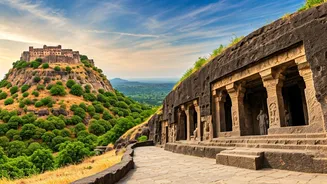
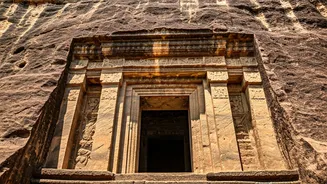
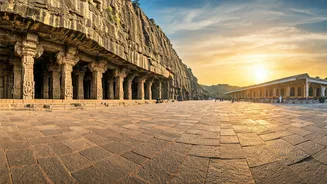
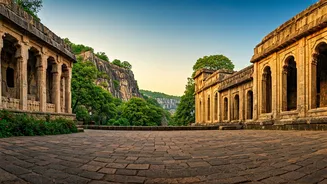
Step back in time to the Ajanta Caves, a collection of 30 rock-cut marvels carved between the 2nd century BCE and 6th century CE. Situated dramatically
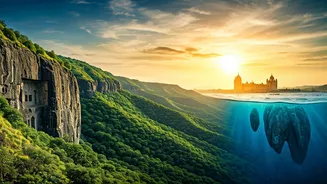
along a horseshoe-shaped cliff overlooking the Waghora River, these caves served as both monasteries (viharas) and prayer halls (chaityas). What truly sets Ajanta apart are its exquisite murals and frescoes, which vividly narrate the Jataka tales—stories recounting the Buddha's previous lives. These ancient paintings are a testament to the remarkable skill of their creators, showcasing sophisticated use of color, masterful composition, and profound emotional expression. They offer an invaluable window into the societal norms, fashion, and courtly life of ancient India, making them some of the finest surviving examples of Buddhist art globally.
Ellora: Spiritual Harmony
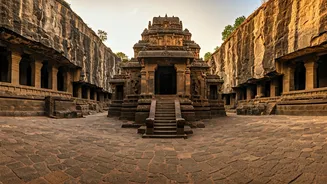
About 100 kilometers from Ajanta lies Ellora, a site that beautifully embodies religious coexistence through its stone carvings. Excavated between the 6th and 10th centuries, its 34 caves represent three major religions: Buddhism, Hinduism, and Jainism. The undisputed highlight of Ellora is the Kailasa Temple (Cave 16), an astonishing monolithic structure meticulously carved from a single piece of rock. Dedicated to Lord Shiva, this temple stands as one of the largest rock-cut sanctuaries in the world. The sheer scale, perfect symmetry, and intricate sculptural details found at Ellora are a powerful display of both unparalleled artistic vision and exceptional engineering prowess, harmoniously blending different faiths within a single monumental creation.
Elephanta: Shiva's Abode
On Elephanta Island, nestled within Mumbai Harbour, you'll find a complex of 5th to 8th-century cave temples predominantly dedicated to Lord Shiva. The most captivating sculpture here is the iconic three-faced Maheshmurti, a sublime representation of Shiva embodying his roles as the Creator, Preserver, and Destroyer. Although these ancient structures suffered damage during colonial rule, they remain a pivotal example of early medieval Indian rock-cut architecture. The caves eloquently convey the spiritual depth and exceptional sculptural mastery that characterized the art of that era, offering a powerful glimpse into devotional practices and artistic achievements.
Chhatrapati Shivaji Terminus: Victorian Grandeur
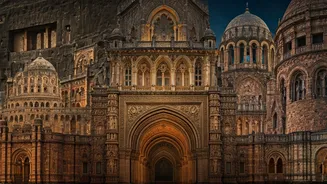
Formerly known as Victoria Terminus, this magnificent railway station, completed in the late 19th century, is a stunning fusion of Victorian Gothic Revival architecture and Indian design influences. Conceived by British architect Frederick William Stevens, it rightfully earned its status as a UNESCO World Heritage Site in 2004. The station's exterior and interior are adorned with breathtaking features, including vibrant stained-glass windows, elegant pointed arches, imposing turrets, and intricately carved stonework. More than just a beautiful monument, it continues to serve as one of India's busiest railway hubs, a living testament to heritage that seamlessly integrates historical significance with the pulse of modern daily life, symbolizing a dynamic connection between past and present.
Western Ghats: Biodiversity Hotspot
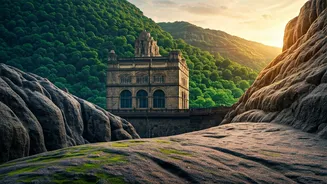
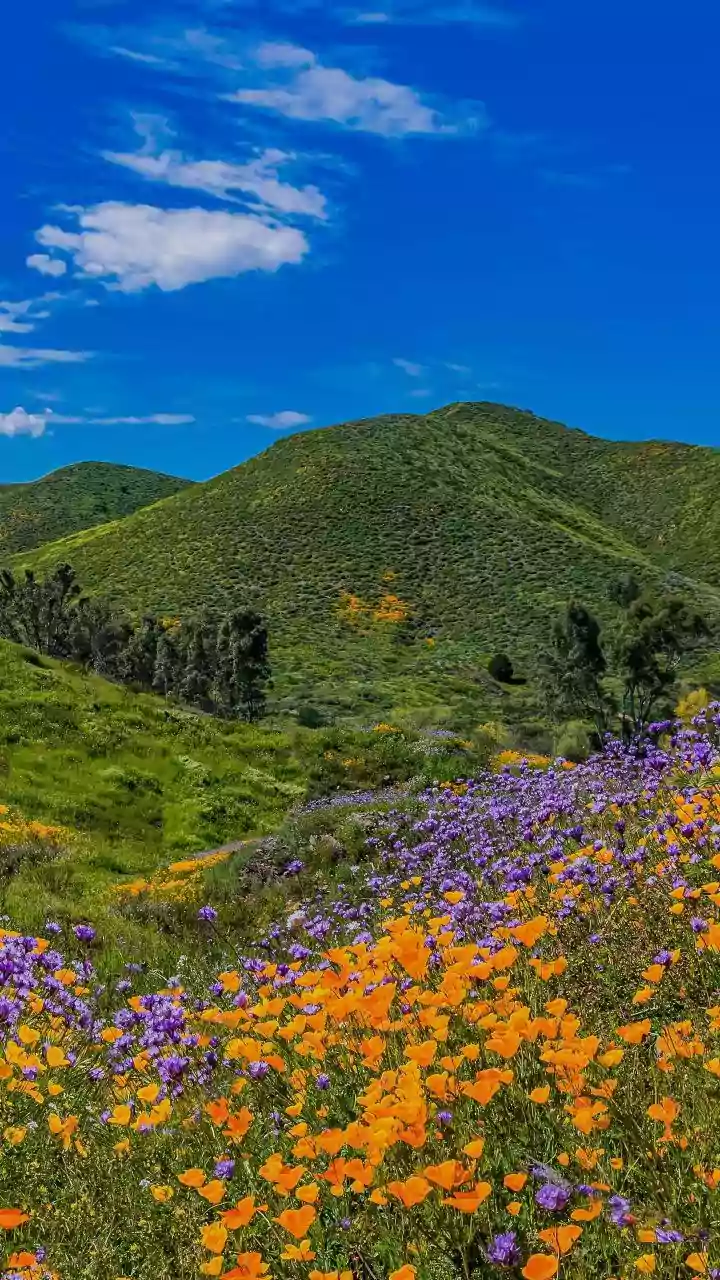
While the expansive Western Ghats mountain range spans across multiple Indian states, a significant and ecologically vital section is located within Maharashtra. This remarkable region has been recognized globally as one of the world's eight "hottest hotspots" for biological diversity, teeming with an incredible array of life. It is the natural habitat for countless plant and animal species found nowhere else on Earth, playing an indispensable role in regulating India's crucial monsoon weather patterns. Within Maharashtra, prominent hill stations like Mahabaleshwar and numerous wildlife sanctuaries are integral parts of this ecologically sensitive landscape, designated by UNESCO for its immense natural value and the critical ecosystem services it provides.