





BRICS: A Foundation
BRICS, representing Brazil, Russia, India, China, and South Africa, forms a crucial platform for India's foreign policy. The alliance provides India with
avenues to engage in multilateral diplomacy, promote its economic interests, and counter the influence of established global powers. For India, BRICS offers a space to advocate for reforms in international institutions and to shape the global agenda. India's participation in BRICS aligns with its broader vision of a multipolar world order, where diverse voices and interests are acknowledged. The country uses this platform to forge stronger ties with fellow developing nations, fostering cooperation in areas like trade, investment, and technology transfer. The collective strength of BRICS allows for increased leverage in negotiations related to global challenges, such as climate change and economic instability.
US Dual-Tariff Pressure
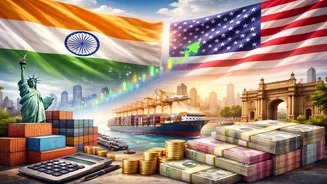
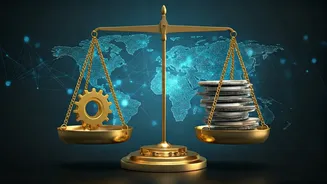
The United States often imposes dual tariffs, presenting challenges for India's trade policies. These tariffs can affect various sectors, potentially disrupting India's export-oriented industries and its ability to compete in global markets. India must carefully assess these pressures and design strategies to mitigate their impact, which include advocating for fairer trade practices and diversifying its economic partnerships to reduce reliance on any single market. India engages in ongoing negotiations with the US to address tariff-related issues, seeking resolutions that protect its economic interests. The situation demands that India strengthens its domestic industries, making them more competitive. Simultaneously, it actively looks to expand its trade relationships with BRICS partners and other nations to minimize the effects of the US's trade policies.
India's Strategy Unveiled
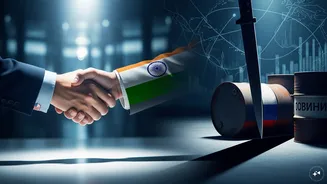
India's approach within BRICS involves a blend of cooperation, negotiation, and strategic alignment. The nation actively participates in BRICS forums to promote its development agenda and to advocate for its perspectives on global issues. India emphasizes the importance of a rules-based international order, which includes fair trade and the resolution of disputes. It also uses its position in BRICS to explore new avenues for investment and technological collaboration among member countries. India’s strategic focus also involves strengthening its domestic economic capabilities through structural reforms, infrastructure development, and improvements in the ease of doing business. By focusing on these areas, India increases its resilience to external pressures and strengthens its ability to negotiate on equal terms within the BRICS framework. It also strives to build consensus among BRICS members, recognizing the need for collective action in addressing shared challenges.
Future Directions
Looking forward, India's role within BRICS is likely to evolve, with an increasing focus on promoting inclusive growth, sustainable development, and global stability. India will likely advocate for reforms in global governance structures, which include strengthening the voices of developing nations within international bodies. The nation will probably explore new opportunities for collaboration within BRICS, particularly in areas like renewable energy, digital technology, and healthcare. India's diplomatic efforts within BRICS are intended to promote its strategic and economic interests, while also supporting a more equitable and multipolar world order. As global dynamics shift, India’s strategic flexibility and its capacity to engage in multilateral diplomacy will be critical to its success in this framework. The nation continues to see BRICS as a crucial platform for shaping the future.