


A Haven of Serenity
Sminu Jindal's South Mumbai residence, a three-story bungalow on Malabar Hill, is more than just a home; it's a carefully curated environment that prioritizes
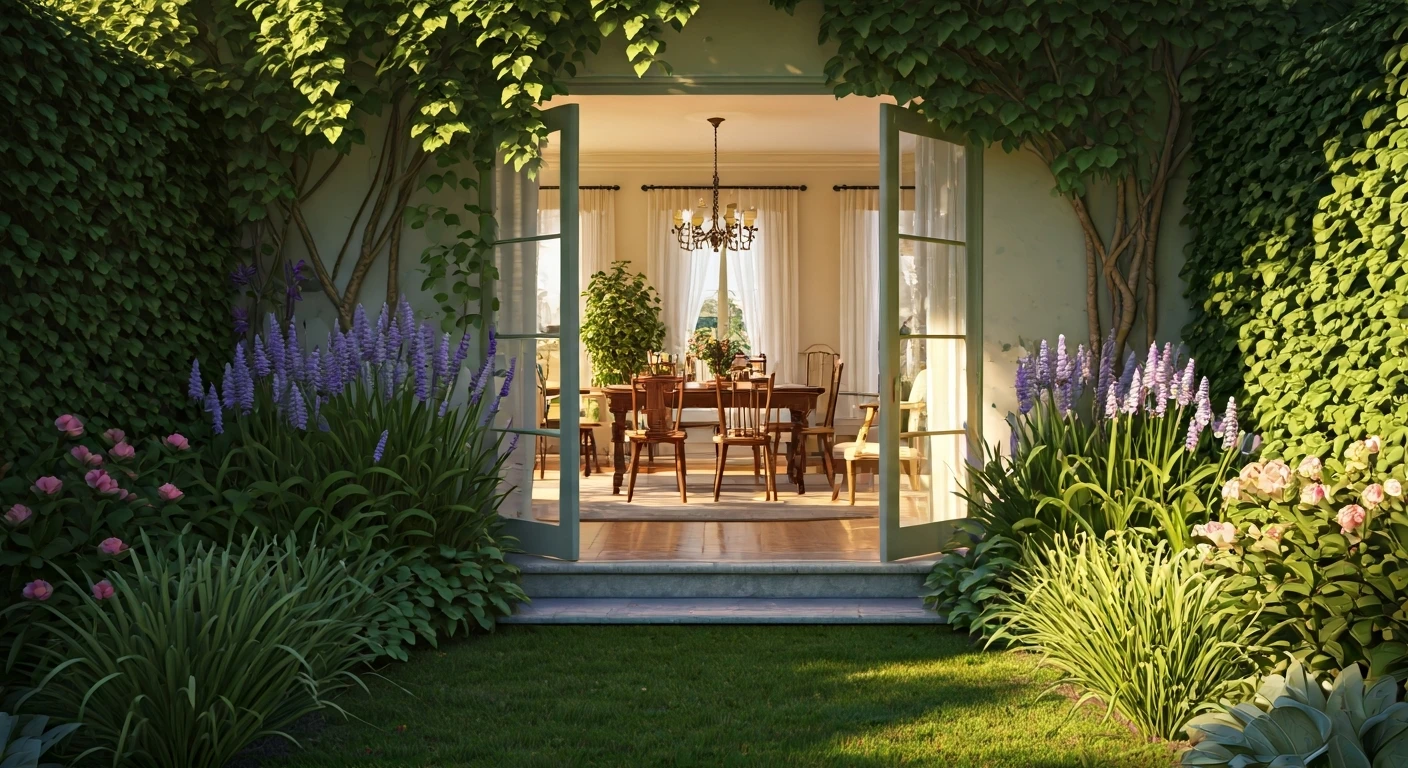
openness, natural light, and a minimalist aesthetic. This design philosophy creates a tranquil atmosphere, inviting a sense of calm that is particularly cherished by its owner, who finds solace in the city's ambiance, especially during the rain. The home's strategic design, featuring expansive balconies that overlook lush greenery, actively promotes a feeling of connection with the outdoors. This seamless integration of interior and exterior spaces is a cornerstone of the design, fostering an environment conducive to both relaxation and cherished memories. The emotional significance of the home is deeply rooted in its capacity to host cherished family moments, transforming open spaces into vibrant stages for celebration and togetherness, echoing a childhood filled with the warmth of a large, close-knit family.
Minimalist Design, Maximum Impact
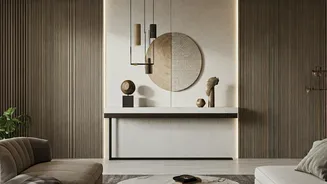
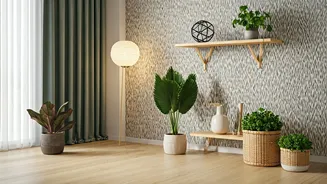
The interior design of Sminu Jindal's home is a testament to the power of restraint, employing a predominantly white palette that serves as a canvas for subtle, sophisticated accents. Darker tones are thoughtfully introduced in elements like doorways, shelving units, and bannisters, creating a restrained yet visually appealing aesthetic. Functional, minimalist furniture is key, ensuring ample space for movement and a sense of spaciousness. Floor-to-ceiling windows and glass-panelled doors are instrumental in maximizing the ingress of natural light, allowing it to permeate every room and enhance the feeling of openness. The veranda, designed to feel like an aerial courtyard, further blurs the lines between indoors and outdoors, contributing to the home's airy ambiance. Against this serene backdrop, curated artworks, including paintings, sculptures, and decorative plates, add touches of personality and refinement without overwhelming the space.
The Psychology of Open Spaces
The impact of open, light-filled interiors with minimal furnishings on psychological well-being is profound. According to psychotherapist Sonal Khangarot, such environments foster a sense of psychological spaciousness, significantly influencing mood and reducing stress. By minimizing visual clutter, the brain's cognitive load is lessened, allowing for a more relaxed state. Natural light plays a crucial role, supporting circadian rhythms, improving sleep, and contributing to emotional balance. These elements align with minimalist principles that advocate for simplicity and intentionality, leading to enhanced focus and reduced mental fatigue. The deliberate design choices in Sminu Jindal's home thus actively contribute to a more peaceful and restorative living experience, demonstrating a clear understanding of how environmental design can nurture mental health.
Spaces of Bonding and Belonging
Homes designed with ample shared spaces and an emphasis on openness naturally become epicenters for social interaction, thereby strengthening emotional bonds. As Khangarot explains, proximity and shared experiences in these areas cultivate trust and connection. Open-plan living areas, generous dining spaces, and communal seating arrangements encourage dialogue, laughter, and shared activities, collectively reinforcing interpersonal ties. These environments also serve as powerful anchors for memory creation. Celebrations, traditions, and everyday moments become etched in the collective memory, made more vivid by their association with a shared physical context. Environmental psychology supports this, indicating that spaces linked to positive social interactions often become reservoirs of nostalgia and emotional security, fostering a deep sense of belonging. Ultimately, the home transcends its function as a mere structure to become a vital container for relationships, personal identity, and life's continuity.