






LPG Crisis Impact
Saba Ibrahim, a popular YouTuber and entrepreneur, has made the tough call to temporarily cease operations at her Mumbai eatery, 'Saba Ka Kitchen.' This
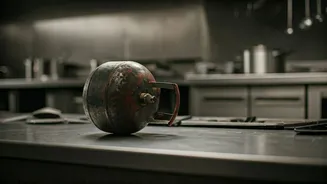
significant decision stems primarily from the widespread LPG cylinder shortage currently affecting numerous businesses across the region. Saba and her husband, Khalid, confirmed this challenging situation in a recent YouTube vlog, detailing the extreme difficulty they've faced in securing necessary gas cylinders to maintain daily operations. The scarcity has been so profound that it has forced not only their establishment but also neighboring restaurants to suspend their services for several days. This ongoing crisis underscores the profound impact that essential resource shortages can have on small and medium-sized enterprises, compelling them to make drastic measures to navigate the difficult circumstances and avoid further operational setbacks.
Pest Problem Uncovered
Beyond the critical LPG shortage, a secondary, yet equally pressing, safety hazard prompted Saba Ibrahim to temporarily close her restaurant. During the initial construction and interior design phase of 'Saba Ka Kitchen,' a design oversight created a small gap between the wall and the wooden paneling. This seemingly minor detail, implemented to enhance the aesthetic appeal of the space, unfortunately, became an entry point for pests, specifically rats. Saba, alongside her husband Khalid, discovered this issue, which posed a significant hygiene and safety concern for their patrons. This unforeseen problem necessitated an immediate halt to operations, with Khalid emphasizing that the decision to close for at least 15 days was made to address the infestation comprehensively and ensure the restaurant's environment is safe and up to standard before reopening.
Financial Ramifications
The temporary closure of 'Saba Ka Kitchen' will inevitably lead to substantial financial losses for Saba Ibrahim and her husband. They openly acknowledged this in their vlog, noting the considerable investment made in decorating and setting up the restaurant to create an inviting atmosphere for customers. The need to potentially redesign aspects of the interior to rectify the pest issue, coupled with the loss of daily revenue during the closure period, presents a significant financial hurdle. Despite the setbacks, they are committed to finding a solution and aim to reopen within 15 to 20 days. To mitigate some impact, the kitchen will remain operational for food delivery orders, while the dine-in area will be temporarily inaccessible. Furthermore, to support their staff during this period, some employees will be temporarily reassigned to their Delhi operations rather than being sent home, demonstrating a commitment to their workforce.