




The Long Wait
For close to six decades, residents in numerous villages within Uttar Pradesh's Ghazipur district endured significant transportation challenges due to the
absence of a bridge over the Magai river. Despite repeated election promises, numerous surveys, and consistent appeals, official action remained elusive. This prolonged lack of a vital connection meant arduous journeys for essential services like schooling, healthcare, and market access, impacting the daily lives of nearly 50 surrounding communities. The situation was particularly perilous during the monsoon season, when crossing the river often involved risky boat trips, tragically leading to several fatalities. The issue had persisted for approximately 58 years, with villagers experiencing continuous hardship without any concrete progress on the promised infrastructure.
A Community Awakens
The tide began to turn for the residents of Ghazipur when Ravindra Yadav, a retired Army engineer, returned to his native village. Witnessing the persistent struggles of his community, he decided to spearhead the construction of the much-needed bridge. Leveraging his expertise from the Indian Army's engineering corps, Yadav personally contributed around Rs 10 lakh from his pension fund and took charge of the technical aspects of the project. This initiative ignited a collective spirit, with local residents enthusiastically participating. Contributions came in various forms, with many offering financial support while others dedicated their physical labor to the construction. It was a remarkable display of community effort, involving individuals from all age groups who worked tirelessly to bring the project to fruition, entirely independent of any government funding.
Collective Triumph
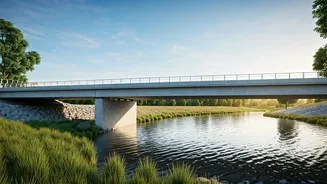
Through their unified efforts and substantial fundraising, the villagers successfully amassed approximately Rs 1 crore for the bridge project. This incredible sum enabled them to construct a bridge that would span the Magai river, effectively linking multiple villages and providing a crucial passage. As the construction progressed, the story of this grassroots initiative gained national attention. Media outlets began highlighting the villagers' determination to solve their own infrastructure problem. This public spotlight prompted an inspection by the local administration. The inauguration of the bridge marked a significant milestone for the people of Ghazipur, symbolizing not just improved connectivity but also their unwavering resilience and the power of community spirit after enduring nearly sixty years of waiting for external assistance.