
1. Luchis and Alur Dom
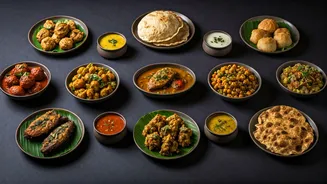
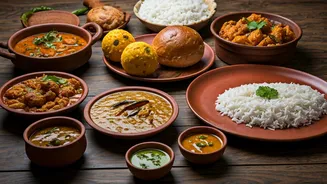
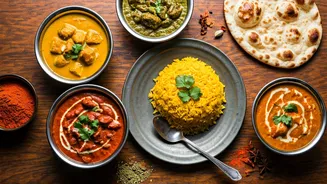
Luchis, the puffed-up deep-fried flatbreads, are a staple, often served alongside Alur Dom, a spiced potato curry. The preparation of luchis involves rolling
small circles of dough and frying them until they balloon. Alur Dom typically features potatoes cooked in a rich, flavorful gravy made with tomatoes, onions, ginger, and various spices. The combination is a beloved breakfast or brunch across Bengal, representing a quintessential pairing that is both simple and satisfying. The slight sweetness of the luchis complements the savory and spicy profile of the Alur Dom, making it a harmonious culinary experience. This dish is frequently found at street food stalls and in homes alike.
2. Machher Jhol
Machher Jhol, or fish curry, embodies the soul of Bengali cuisine. The fish, typically rohu or catla, is simmered in a light, flavorful broth. The gravy is usually made with onions, tomatoes, ginger, garlic, and a blend of spices like turmeric, cumin, and coriander. Potatoes and other vegetables are often added. It’s a versatile dish, with each household and region having its own unique recipe. The choice of fish, the spice levels, and the inclusion of vegetables are all variations that showcase the diversity of culinary creativity. Machher Jhol is often served with rice, making it a comforting and nourishing meal enjoyed daily across Bengal.
3. Shorshe Ilish
Shorshe Ilish, or hilsa fish cooked with mustard, is an iconic dish, especially during the monsoon season. Hilsa, known for its rich, oily flavor, is gently cooked in a creamy mustard sauce, often including green chilies and mustard oil. The dish is a celebration of flavors – the sharpness of mustard, the richness of the fish, and the subtle heat from the chilies. The cooking method preserves the delicate texture of the hilsa. This dish is not only a culinary delight but also a cultural symbol, often prepared for special occasions and festivals. The simplicity of the ingredients belies the complexity of flavors, making it a beloved dish.
4. Kosha Mangsho
Kosha Mangsho is a rich, slow-cooked mutton curry, known for its intense flavor. The mutton is cooked in a thick gravy made with onions, ginger, garlic, and a blend of aromatic spices like cardamom, cloves, and cinnamon. The slow cooking process allows the meat to become tender. The gravy thickens and deepens in flavor. It is a celebratory dish, often served during festivals and special events. The preparation involves a careful balance of spices and patience. Kosha Mangsho is often paired with rice or luchis, representing a culinary experience that is both indulgent and memorable.
5. Aloo Posto
Aloo Posto is a simple yet flavorful dish made with potatoes (aloo) and poppy seeds (posto). The potatoes are cooked with onions, green chilies, and a generous amount of ground poppy seeds. The poppy seeds add a unique texture and subtle nutty flavor to the dish. It is a vegetarian staple. This dish showcases the versatility of Bengali cooking. It can be a side dish or a light main course. The preparation requires minimal ingredients, making it an accessible and popular choice in Bengali households. Aloo Posto highlights the use of simple ingredients to create a delicious and satisfying meal.
6. Daab Chingri
Daab Chingri is a luxurious dish featuring prawns (chingri) cooked inside a green coconut (daab). The prawns are marinated in a flavorful mix of spices and coconut milk. The mixture is then placed inside the coconut, which is sealed and baked or steamed. The cooking process infuses the prawns with the sweet coconut flavor. The presentation is as stunning as the taste. The dish is often served directly from the coconut. Daab Chingri is a popular choice for special occasions. It shows a blend of flavors and cooking methods that represent Bengali culinary creativity.
7. Mishti Doi
Mishti Doi is a sweet yogurt dessert. It is prepared by slowly caramelizing sugar and mixing it with milk, which is then cultured to form a thick, creamy yogurt. The caramelization process gives the Mishti Doi its distinct color and flavor. It’s typically served in earthen pots. The clay pots help to absorb excess moisture and enhance the taste. Mishti Doi is a ubiquitous dessert in Bengal, enjoyed after meals or as a standalone treat. This dessert symbolizes Bengali sweetness. It is a simple treat that has widespread appeal.
8. Rasgulla
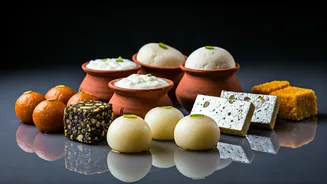
Rasgulla is a soft, spongy ball of paneer (fresh cheese) soaked in light sugar syrup. The paneer is kneaded to a smooth consistency. It is then shaped into small balls and boiled in the sugar syrup. The syrup infuses the rasgullas with sweetness. They become soft and spongy. Rasgulla is one of the most famous Bengali sweets. It is now popular throughout India and beyond. The preparation requires skill and precision. Rasgulla symbolizes Bengali culinary excellence. It is a sweet treat.
9. Sandesh
Sandesh is a classic Bengali sweet made from paneer. The paneer is cooked with sugar or jaggery until it forms a soft, crumbly mixture. It is often flavored with cardamom or saffron. It is molded into various shapes. Sometimes it is decorated with nuts or other toppings. Sandesh comes in many varieties. Each reflects the creativity of the confectioner. It can range from simple, plain sweets to elaborately decorated versions. Sandesh symbolizes the sweet making culture. It is a popular gift during festivals and celebrations.
10. Payesh
Payesh, the Bengali version of rice pudding, is a comforting dessert. Rice is cooked with milk, sugar, and often flavored with cardamom, bay leaves, and nuts. The slow cooking process allows the rice to absorb the flavors. It makes the pudding creamy and rich. Payesh is a traditional sweet served at special occasions and during religious ceremonies. The basic ingredients often include rice, milk, sugar, and cardamom. This simple dessert represents the essence of Bengali culinary traditions. Payesh is frequently enjoyed by all ages.