







Defining Mustard Honey
Mustard honey stands out as a distinct type of honey, primarily known for its monofloral origin. This means that bees focus their nectar-gathering efforts
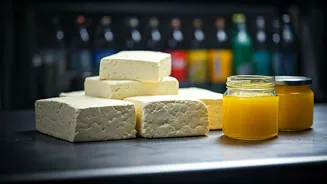
on a single flower species – in this case, the mustard plant, also referred to as 'sarson'. This singular floral source imbues mustard honey with a more specific and consistent flavor profile and chemical composition compared to honey derived from a multitude of blossoms. Unlike the universally recognized golden, liquid honey, mustard honey presents a notably different appearance. It often emerges as a pale, almost white, thick, and creamy substance, bearing a resemblance to the texture of ghee. This unique presentation immediately sets it apart from the more common varieties found in households, prompting questions about its distinctiveness beyond just visual appeal.
Source and Nectar Variation
The fundamental divergence between mustard honey and more commonly consumed honey lies in their nectar sources. Mustard honey is a prime example of a monofloral honey, signifying that the bees predominantly draw nectar from the mustard flower (sarson). This exclusivity to a single flower type results in a honey with a highly specific and concentrated flavor, along with a particular set of properties. In stark contrast, what is often referred to as 'regular' honey is typically a multifloral or wildflower honey. This means the bees collect nectar from a diverse array of flowers. Consequently, regular honey offers a more complex and blended taste, a medley of flavors from the various floral sources visited by the bees. This difference in origin directly impacts the resulting honey's sensory experience and its chemical makeup.
Texture and Crystallization Patterns
A key characteristic that differentiates mustard honey is its propensity to crystallize rapidly. This phenomenon is largely attributed to its higher concentration of glucose and pollen content. As a result, within a relatively short period of about four to six weeks post-harvest, mustard honey frequently transforms from a liquid state to a thick, creamy, and sometimes even semi-solid consistency. This transformation leads to its characteristic pale, opaque, and spreadable appearance, akin to softened ghee. Standard honey, on the other hand, exhibits a different crystallization behavior. It generally maintains its liquid form for a considerably longer duration before any signs of crystallization appear, which is why most consumers are accustomed to honey in its more fluid, runny state.
Distinct Flavor and Aroma
The taste profile of mustard honey is notably unique and sets it apart from other honey varieties. It typically possesses a more robust and slightly sharp flavor, often accompanied by earthy undertones. This distinctive taste makes it a standout option for those seeking something beyond the ordinary. Regular honey, in contrast, usually offers a milder, sweeter, and more floral taste. This gentler flavor is often preferred by many consumers for its versatility and ease of integration into everyday foods and beverages without overpowering other tastes.
Coloration Differences
The visual aspect of honey also serves as a distinguishing factor between mustard and regular varieties. Mustard honey frequently presents itself in lighter shades, ranging from pale golden to a creamy white, especially after it has undergone crystallization. Regular honey, however, displays a wider spectrum of colors. Its hue can vary significantly from light golden to a deep, dark brown, with the final color being heavily dependent on the specific floral sources from which the nectar was collected.
Usage and Application
The unique texture of mustard honey lends itself well to specific culinary applications. Its thick, spreadable consistency makes it an excellent choice for use as a spread on toast or as an ingredient in salad dressings and savory marinades, where it can impart a distinctive flavor to dishes. Regular honey, due to its liquid nature, offers greater versatility for everyday use. Its fluidity makes it easy to incorporate into beverages like tea and smoothies, as well as for use in desserts and various baking recipes, blending seamlessly without altering the texture of the final product.
Indian Production Landscape
Mustard honey is a significant honey variety produced within India, particularly flourishing during the cooler winter months. Its primary harvesting regions are concentrated in the northern Indian states, including Punjab, Haryana, Bihar, and Rajasthan. This production surge coincides with the blooming period of mustard flowers, typically occurring between December and January. Beekeepers strategically position their Apis mellifera bee colonies within these vast mustard fields during this time to capitalize on the abundant nectar flow. Punjab stands out as a major contributor, producing approximately 20,000 tonnes of honey annually, with a substantial 75-80 percent of this output being mustard honey. Key production areas within Punjab include Ludhiana, Jalandhar, and Patiala, while Karnal and Panipat are notable in Haryana, and Alwar and Bharatpur in Rajasthan also contribute significantly. A considerable portion of India’s mustard honey output is earmarked for export, with Western countries showing a particular appreciation for monofloral and raw honey varieties.
Why Regular Honey Prevails
Despite possessing valuable nutritional qualities, mustard honey has not achieved the same level of widespread consumption in India as regular honey. A primary driver for this preference is consumer familiarity. Large brands have successfully popularized processed polyflora honey, cementing the image of runny, golden honey as the standard product in most Indian households. Furthermore, the rapid crystallization of mustard honey often leads to a misunderstanding. Some consumers mistakenly associate this thickening process with spoilage or adulteration, leading to a reluctance to purchase or consume it. This lack of awareness and potential misconceptions contribute to its less common presence in daily diets compared to its more familiar counterpart.
Price Disparities Explained
Mustard honey is frequently positioned as a premium product within the Indian market, which explains its higher price point. This premium status is largely due to its raw, unheated nature and its origin from a single flower type, both of which contribute to production costs and perceived value. Typically, regular polyflora honey from major brands retails for around Rs 250 to Rs 350 per kilogram in local markets. In contrast, raw mustard honey, depending on factors such as brand reputation, purity certifications like Nuclear Magnetic Resonance (NMR) testing, can command prices ranging from Rs 500 to Rs 1400 per kilogram. For instance, a 500-gram pack of mustard honey might cost between Rs 300 and Rs 700, whereas a similar quantity of regular honey often falls within the Rs 150 to Rs 250 range, highlighting a significant price difference.