




US Offers Oil
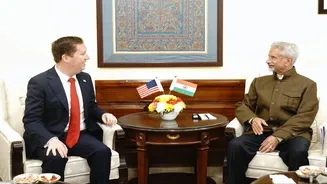
The United States has extended an offer of Venezuelan oil to India, a proposition that could significantly alter India's crude oil import strategy. This
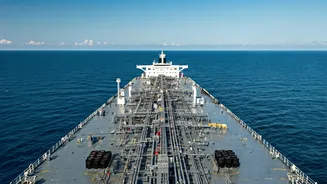
move comes at a time when the global oil market is undergoing substantial changes, and geopolitical considerations are taking center stage. The core of this proposal lies in the intention to diversify India’s oil sources and, most importantly, reduce its dependence on crude oil imports from Russia. The offer is part of a broader diplomatic effort by the U.S. to reshape global energy trade routes, as nations reassess their relationships with key suppliers in light of current geopolitical tensions. The discussions around this potential deal include conversations about the viability and specifics of the transaction, touching on factors such as pricing, logistics, and potential sanctions implications.
India's Shifting Imports
India's approach to oil imports has evolved markedly in recent times. The nation, known for its significant energy requirements, has been actively seeking to diversify its oil suppliers. This strategic maneuver is fueled by a desire to ensure energy security and reduce vulnerability to disruptions. Initially, India sourced its oil from a variety of global entities, but recent years have witnessed an increased emphasis on sourcing from Russia. This shift has brought forth a complex interplay of economic benefits and geopolitical considerations, causing a reassessment of long-term import strategies. The offer of Venezuelan oil aligns with India's need to find alternative sources and maintain flexibility in the face of ongoing global changes, ensuring a balanced and resilient approach to its energy imports and reducing dependency on any single supplier.
Venezuela's Role Emerges
Venezuela, with its significant oil reserves, plays a key part in the unfolding scenario. The South American nation has been subject to various sanctions and restrictions that have influenced its ability to export oil to global markets. In response to these circumstances, Venezuela has been seeking opportunities to re-enter international trade, which makes it an important player in the current offer. The U.S. offer to India can be seen as a way to facilitate Venezuela’s economic recovery, while also meeting India's oil demands. This could potentially lift some of the restrictions and open doors for the country to engage in global oil trade. The involvement of Venezuela underscores the intricate nature of the discussions, as the dynamics between sanctions, market demand, and international relations converge to reshape the oil trade landscape.
Geopolitical Implications Unfold
The offer to India carries significant geopolitical implications, extending beyond the immediate oil trade. The move is viewed through the lens of international relations, particularly concerning the influence of key global actors and the evolving dynamics of power. The potential deal involving the U.S., India, and Venezuela is a clear signal of the shifting alliances within the global oil market and the desire to reduce dependency on certain suppliers. This has a direct impact on how nations maneuver in the face of changing political landscapes and international sanctions. Furthermore, it is a reflection of the U.S.'s strategy to counteract Russia's dominance in the oil sector, as it tries to reshape the global energy market and foster new strategic partnerships. This could significantly impact the balance of power and alliances within the international community.
Trump's Assertions Noted
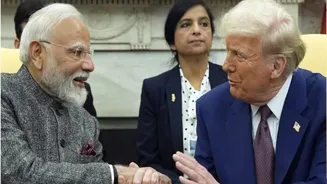
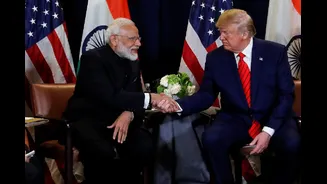
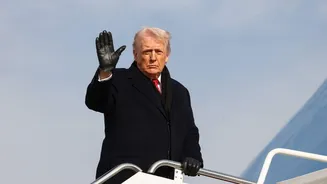
Former U.S. President Donald Trump weighed in on the issue, stating that India would be buying oil from Venezuela. This statement, shared amidst discussions about the deal, offers insight into the political dimensions of the proposal. Trump mentioned the 'concept of the deal' being in place, indicating that the agreement was at an advanced stage of discussion. This is a reminder that the negotiations involved more than just technical aspects of oil trade; they are also tied to the bigger strategic and political ambitions of different countries. Trump's comments serve as a clear indication that the changing global oil trade dynamics are being watched carefully, and that his administration showed interest in influencing these relationships. This attention from a former leader adds another dimension to the unfolding scenario.