






Dwindling Water Reserves
The Brihanmumbai Municipal Corporation (BMC) has officially announced a mandatory 10% reduction in water supply across Mumbai, set to commence on May 15.
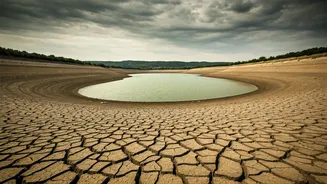
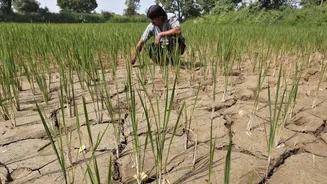
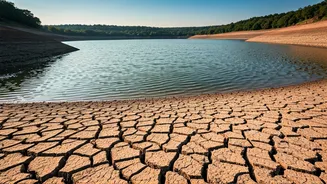
This critical measure has been necessitated by an alarming drop in the water levels of the seven key reservoirs that serve the city. Currently, the total water stock in these reservoirs stands at a mere 28.35%, a figure that, without intervention, is projected to last only until the beginning of July. This precarious situation has prompted the BMC to take immediate action to extend the available supply, highlighting the significant impact of a potentially subdued monsoon season on urban water security.
Monsoon Worries Mount
The decision to implement water restrictions stems directly from forecasts predicting a below-normal rainfall for India during the upcoming southwest monsoon. The India Meteorological Department (IMD) has indicated that rainfall is likely to be around 92% of the long-period average, falling into the 'below-normal' category. This prediction is largely attributed to the developing El Niño conditions, a climatic phenomenon known to influence global weather patterns. Such a forecast paints a concerning picture for Mumbai, which relies heavily on its monsoon rains to replenish its water sources for the entire year.
Conservation Strategies Unveiled
To mitigate the impact of the anticipated water shortage, the BMC is exploring strategic water management initiatives. A key proposal involves seeking approval from the state government to reserve water specifically from the Bhatsa and Upper Vaitarna reservoirs. If this crucial permission is granted and the 10% water cut is rigorously enforced, the civic body estimates that the existing water stock could be stretched to last until mid-August. This extended availability would provide much-needed relief and a buffer period until the monsoon season stabilizes and begins to replenish the city's vital water reserves.