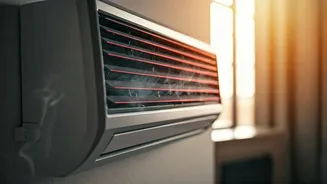







Why ACs Ignite
Modern air conditioners are engineered to endure challenging conditions, yet prolonged operation during intense heatwaves, coupled with a lack of regular
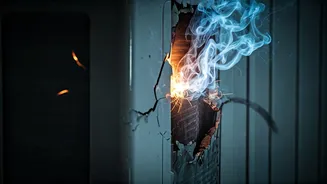
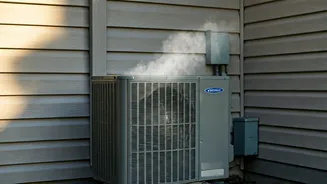
upkeep, can push these systems beyond their operational limits. This sustained stress can culminate in electrical short circuits or even component ruptures, posing a significant fire risk. Recent incidents, such as a devastating fire in Delhi's Vivek Vihar area that tragically claimed nine lives and is suspected to have originated from an AC unit, highlight the critical need for awareness. Such events, unfortunately, become more prevalent as summer intensifies. Experts emphasize that these are seldom spontaneous occurrences but rather the outcome of accumulated strain on the machinery, exacerbated by infrequent servicing or hazardous electrical configurations. Understanding the underlying causes is the first step towards mitigating these potential dangers and ensuring home safety during the sweltering months.
Root Causes of Fires
Several factors contribute to air conditioner fires, with compressor overheating being a primary concern. The compressor, essentially the 'heart' of the AC, can reach critical temperatures if it runs continuously without adequate rest, especially during peak summer heat. When condenser coils become clogged with dust and debris, the unit is forced to work considerably harder, leading to an excessive heat buildup. In extreme scenarios, this can result in a mechanical breakdown or even a rupture. Another major culprit is electrical short circuits. The elevated power demands of summer can overload older or inadequately sized wiring systems. The use of substandard extension cords or inappropriate power outlets can cause wires to overheat, their insulation to melt, and ultimately trigger sparks that can easily ignite surrounding plastic parts or the unit's refrigerant. Furthermore, leaks in flammable refrigerants, such as R32 or R290, pose a serious danger; if these gases encounter a spark, they can lead to rapid flash fires or explosions. Pressure imbalances due to incorrect refrigerant charging during servicing, whether from overfilling or the presence of air and moisture, can also increase internal pressure beyond safe thresholds, risking pipe bursts.
Warning Signs to Heed
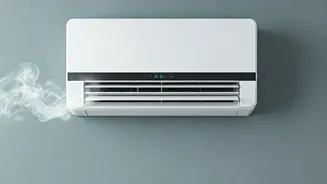
Your air conditioner might be trying to signal trouble before a serious incident occurs. Paying attention to unusual indicators can make a significant difference in preventing a potential disaster. One of the most alarming signs is a distinct burning or a 'fishy' odor, which often points to melting electrical wires within the unit. You might also notice strange noises emanating from the AC, such as grinding, hissing, or rattling sounds, indicating internal mechanical issues or friction. A frequently tripping circuit breaker (MCB) is another critical warning. If the breaker is constantly cutting off power every time the AC is turned on or during operation, it suggests an excessive electrical load or a fault. Additionally, observing that the lights in your home dim or flicker whenever the air conditioner starts up can signify an improper electrical connection or an overloaded circuit that needs immediate attention. Heeding these audible and olfactory cues, along with electrical anomalies, is paramount for proactive safety measures.
Preventative Maintenance Tips
Ensuring your air conditioner operates safely throughout the summer requires diligent attention and adherence to best practices. To prevent overheating, it's crucial to avoid running your AC non-stop, especially during the hottest parts of the day. Utilize timer settings to allow the unit short breaks, which helps prolong its lifespan and reduces strain. During periods of heavy use, clean the AC filters every 10 to 15 days; dirty filters impede airflow and force the unit to work harder. Always plug your AC directly into a dedicated, high-capacity socket, preferably a 16A outlet. It is imperative to never use extension boards for air conditioners, as they are not designed to handle the significant power draw and can lead to overheating and fire hazards. Ensure the outdoor unit has ample ventilation and is not obstructed by any foliage or debris. Before the peak summer season begins, schedule professional servicing. This check-up should include verifying refrigerant levels and inspecting all wiring. For areas that experience frequent power fluctuations, installing a voltage stabilizer is highly recommended, as it protects the compressor from electrical surges and damage.
Emergency Response Protocol
In the unfortunate event that your air conditioner catches fire, immediate and correct action is vital to ensure safety and minimize damage. The very first step is to cut off the power supply to the unit immediately by using the main circuit breaker (MCB). Once the power is disconnected, evacuate the area promptly and call the fire department without delay. It is critical to remember that water should never be used on electrical fires, as it can conduct electricity and worsen the situation. Instead, opt for a dry chemical (ABC) extinguisher or sand to combat the flames. Maintain a safe distance from the burning unit, particularly if you hear any hissing sounds or observe black smoke, as these can indicate the presence of pressurized and potentially hazardous gases. Swift and informed action in an emergency can save lives and property.