






AMRIT: A Pillar for Patients
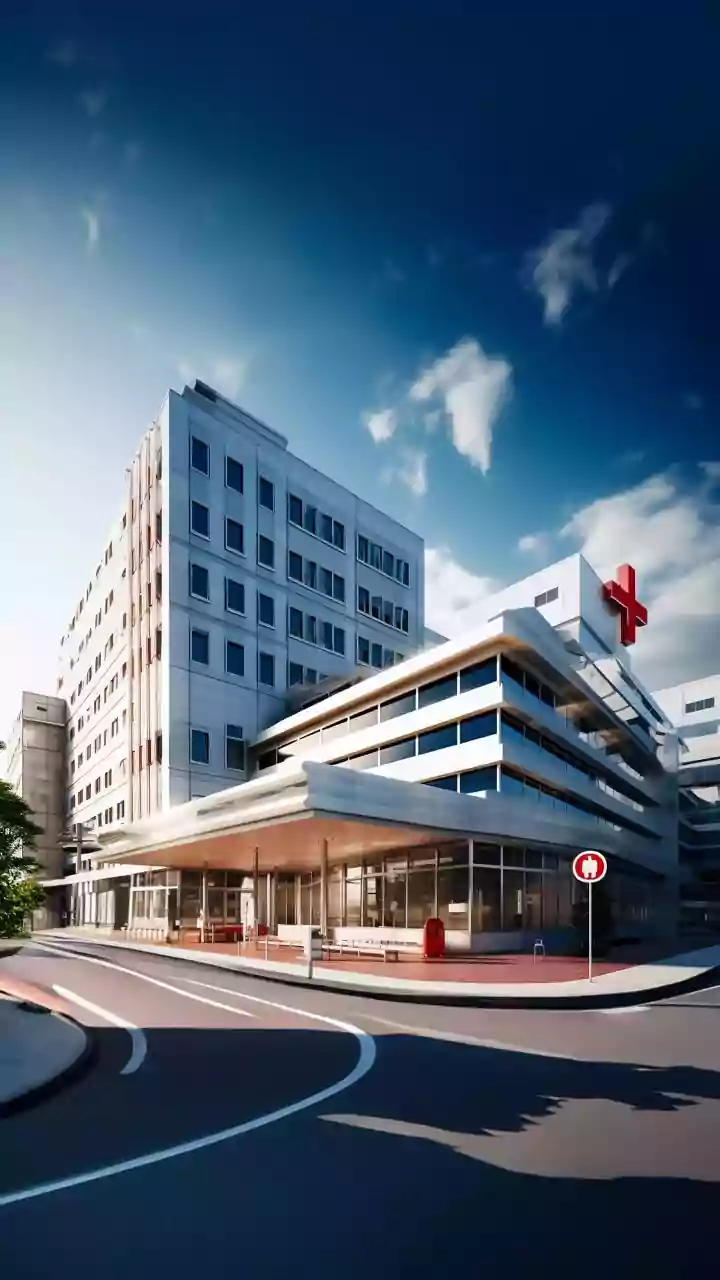
The Postgraduate Institute of Medical Education and Research (PGI) has set a new national benchmark with its establishment of 14 AMRIT (Affordable Medicines
and Reliable Implants for Treatment) pharmacies. This extensive network is not just about dispensing medication; it represents a profound commitment to patient welfare, particularly for those benefiting from the Ayushman Bharat scheme. Professor Vivek Lal, the Director of PGI, has hailed AMRIT as a critical component that provides the 'backbone' for patient care, enabling the institute to manage its substantial patient load effectively. The initiative ensures that essential medicines, sourced from reputable manufacturers, are available at significantly reduced prices, thereby removing financial barriers to treatment. This dedication to affordability and quality underscores PGI's patient-centric approach, aiming to guarantee that every individual receives the care they deserve without the burden of excessive costs. The sheer number of AMRIT outlets signifies a large-scale operational effort to embed accessibility into the fabric of healthcare delivery at PGI.
Enhancing Access & Availability
Recognizing the immense pressure on healthcare services, PGI is strategically expanding its AMRIT pharmacy network to meet the escalating patient volume. The Ayushman Bharat program plays a vital role in facilitating access to healthcare for a vast number of individuals, and AMRIT pharmacies are designed to complement this by ensuring that the cost of medicines does not impede treatment continuity. With 14 outlets already operational, PGI is actively planning to introduce two to three more, further solidifying the reach of affordable medicines, especially in areas with high patient traffic like cardiology and emergency services. These specific locations will feature 24×7 availability, with dedicated support for Ayushman Bharat beneficiaries, highlighting a focused effort to address critical needs. This expansion is driven by a philosophy that views AMRIT not as a commercial venture, but as a crucial welfare movement aimed at ensuring timely access to indispensable medications for all patients.
Continuous Improvement Efforts
PGI acknowledges that maintaining a flawless system is an ongoing pursuit, and is dedicated to achieving maximum efficiency and reliability within its AMRIT pharmacy operations. The institute is proactively addressing operational challenges, including potential gaps in medicine availability and delays in refund processing. By engaging in open communication with the relevant ministry, PGI is actively working to streamline these processes and enhance the overall user experience. The significant patient influx necessitates robust infrastructure and systems to ensure the seamless functioning of AMRIT outlets. This focus on optimal stocking and operational fluidity is paramount to ensuring that patient care, particularly for those under the Ayushman Bharat initiative, remains uninterrupted. This commitment to iterative improvement demonstrates PGI's resolve to uphold its legacy of exceptional patient care through continuous system refinement.
Institutional Reforms and Progress
The expansion and integration of initiatives like AMRIT into critical care areas represent significant institutional reforms at PGI, often achieved despite inherent resistance to change. These transformations, though sometimes subtle, are profoundly impacting patients daily by making essential medicines more accessible. The streamlining of financial processes in recent months has been instrumental in facilitating faster procurement and enhancing service delivery, directly contributing to the improved efficiency and expanded reach of the AMRIT outlets. This administrative and financial agility is crucial for sustaining the growth of PGI's patient care capabilities. Looking ahead, the upcoming visit by the Union Health Minister for the convocation ceremony will likely see the inauguration of major new facilities, including advanced centers for neurosciences, maternal and child health, and critical care, further augmenting the institute's capacity to serve its ever-increasing patient population.