
Human Cost Emerges
The severity of the US winter storm became dramatically clear with the mounting death toll. Initial reports indicated at least 30 fatalities, but as the storm's
impact was assessed, the number climbed to at least 42. These deaths underscore the storm's devastating power and the dangerous conditions it created. The majority of these deaths were most likely a result of the extreme cold, accidents, or complications arising from power outages. The human cost is a stark reminder of the vulnerability people face during severe weather events and the importance of preparedness and effective emergency response. The news about the plane crash in Maine, which was being investigated by the NTSB, further underscored the dangers associated with the storm, where six people lost their lives.
Power Grid Failure Widespread
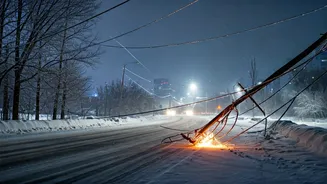
The winter storm caused substantial disruption to the power grid, leaving hundreds of thousands of Americans without electricity. The southern states were particularly hard hit by the storm. At one point, nearly half a million people were without power, facing freezing temperatures. The combination of ice, snow, and extreme cold damaged power lines and overwhelmed the grid's capacity. Power outages not only created discomfort but also posed serious risks, increasing the chances of fatalities and complicating the already difficult situations. For many, restoring electricity became the primary concern, while authorities worked to bring in supplies and offer shelter. The power outages have affected both homes and businesses, causing further disruptions to daily life and economic activity.
Oil Market Reactions
The impact of the winter storm on the oil market was complex and dynamic. While the storm initially led to a decrease in oil production, the overall effect on prices was not uniform. The storm knocked out some oil output, which typically leads to price increases. However, the rise was offset by other factors, including the resumption of oil supplies from Kazakhstan, which had a balancing effect. Furthermore, investor sentiment and speculation also played a part in the movement of oil prices. Despite the initial concerns about supply disruptions, prices remained relatively stable or even decreased, reflecting the multifaceted nature of the market and the influence of various geopolitical and economic factors. The events showed the intricate interplay between weather events, production levels, and market expectations.