






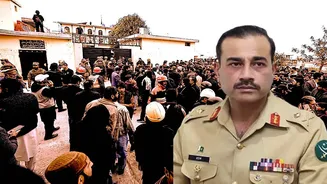

Long Detention, No Trial
The Supreme Court of India has expressed its concern regarding the lengthy detention of activist Surendra Gadling under the UAPA. Gadling has been held
in custody for seven years without the commencement of his trial. This delay raises critical questions about the legal process and the rights of the accused. The court's remarks highlight a broader issue within the judicial system, emphasizing the need for speedy trials to ensure justice and protect individual liberties. The UAPA, a stringent law, has provisions that allow for prolonged detention without trial in certain cases. However, the court's observation indicates that such prolonged detention without a trial is unacceptable and raises concerns about the potential misuse of this law. The principle of 'innocent until proven guilty' is central to the Indian constitution, and lengthy pre-trial detention can undermine this principle. The court's scrutiny signals the importance of adhering to due process and ensuring that trials begin without undue delay. This situation has sparked discussions on the reform of judicial processes and the need for stricter adherence to the rights of the accused.
UAPA and Legal Implications
The Unlawful Activities (Prevention) Act (UAPA) is a law that aims to prevent unlawful activities and terrorism in India. Under the UAPA, individuals can be detained for extended periods without trial, which has raised concerns about its impact on civil liberties. The stringent provisions of this law allow for prolonged detention, and in this case, Gadling has been detained for seven years without the commencement of his trial, drawing criticism from the Supreme Court. The court's concerns highlight that UAPA needs careful implementation to avoid potential misuse and to ensure that the fundamental rights of the accused are protected. The legal implications of prolonged detention under the UAPA are significant. It directly impacts an individual's right to a fair trial, which is a cornerstone of the Indian legal system. The fact that the trial hasn't begun raises questions about the prosecution's readiness and the efficiency of the courts. This case emphasizes the delicate balance between national security concerns and the protection of individual rights. The Supreme Court's scrutiny sends a clear message about the need for a transparent and timely judicial process when using laws like UAPA. This aims to maintain trust in the legal system and to uphold the principles of justice for all.
Court's Critical Observations
The Supreme Court's critical observations regarding Surendra Gadling's case underscore the judiciary's role in safeguarding individual liberties and ensuring adherence to the principles of justice. The court's expressions of concern highlight the importance of timely trials and a fair legal process, especially when individuals are detained under stringent laws like UAPA. The court's scrutiny has brought this case into the spotlight, making it an opportunity to examine the broader issues related to pre-trial detention and the implementation of UAPA. The observations may potentially influence future decisions, leading to a stricter approach to ensuring that trials are expedited and that the rights of the accused are protected. The court’s intervention signals a commitment to upholding the rule of law and ensuring that all individuals, regardless of the charges against them, receive a fair hearing. This stance strengthens the public's confidence in the justice system and reiterates the significance of adhering to constitutional principles.
Need for Speedy Trials
The Supreme Court's remarks on the Gadling case underscore the urgent need for expedited trials within the Indian legal system. The delay of seven years without a trial signifies that the system is not working effectively, which results in the deprivation of individual rights and undermines the trust in the legal processes. Speedy trials guarantee that justice is not delayed and that individuals are not penalized by prolonged pre-trial detention. The judiciary must focus on improving the efficiency of the legal process and reducing the backlog of cases, especially those involving individuals detained under stringent laws such as UAPA. The need for speedy trials ensures that evidence is assessed while it is still reliable, minimizing the impact of potential memory lapses and other issues that can impact the fairness of proceedings. Faster trials also serve as a deterrent to the potential misuse of pre-trial detention as a form of punishment. Therefore, the efficient conduct of trials is crucial for upholding the rule of law and ensuring that the rights of the accused are protected.
Impact on Activism
The prolonged detention of activist Surendra Gadling and the Supreme Court's scrutiny can also have a broader impact on the landscape of activism in India. Concerns about the potential for unjust and lengthy detentions might cause activists and human rights defenders to reconsider their actions and could have a chilling effect on the exercise of their freedom of expression and peaceful assembly. This case can also bring attention to the need for greater transparency and accountability in the implementation of laws. If activists are worried about being detained for long periods without a fair trial, this will affect their ability to pursue their work. The judiciary must ensure that the legal framework does not unjustly restrict the rights of individuals and must make certain that legal processes are just and fair. The outcome of Gadling’s case could be a test of how the legal system deals with dissent and how it values the protection of individual liberties in a democratic society. It also emphasizes that freedom of expression, association, and dissent should be respected and protected under the Constitution.










![T20 World Cup 2026: Sam Billings shares bold predictions ahead of mega event, locks India to finish runners-up [Exclusive]](https://g-mob.glance-cdn.com/public/fc/image/2mhQZBogkxh0.webp)

